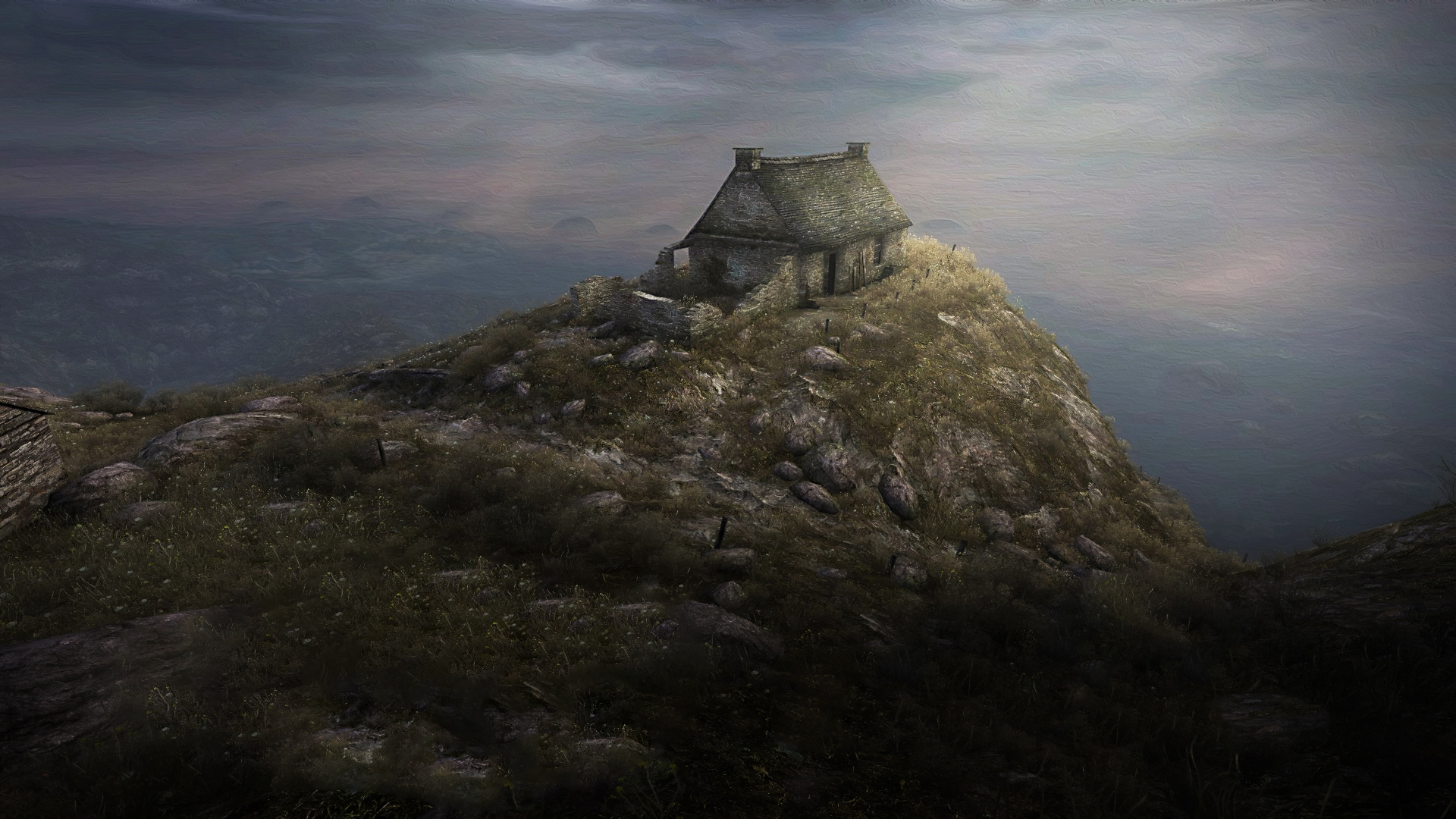
Dear Esther: A Pioneering Walkthrough of Grief and Memory
Released on February 14, 2012, Dear Esther stands as a seminal title in the landscape of interactive digital art. Originally conceived as a modification for the Source engine, the same technology that powered Half-Life 2, it evolved into a standalone indie experience that challenges traditional definitions of what constitutes a "game." Blending elements of casual, indie, and adventure genres, the title invites players to step away from conventional mechanics of combat or puzzle-solving, offering instead a profound, atmospheric exploration of loss, grief, and the passage of time.
A Journey Through Isolation
At its core, Dear Esther is a narrative-driven experience set on a cold, windswept island off the shores of Scotland. The player assumes the role of a nameless, faceless male protagonist who wanders through the desolate yet beautiful landscape. There are no health bars, no inventory systems, and no enemies to defeat. Instead, the primary objective is exploration. As the character moves through specific zones of the island, the environment triggers audio narration in which the protagonist reads aloud letters he received in the past.
These letters gradually reveal a tragic backstory involving the protagonist’s wife, Esther. While Esther and other characters are central to the emotional weight of the story, they never physically appear in the game. Their presence is felt only through the narrator’s reflections, memories, and the haunting atmosphere of the island itself. This narrative structure forces the player to piece together the story through environmental cues and auditory storytelling, creating a deeply personal and introspective experience.
Visual and Auditory Mastery
One of the most notable features of Dear Esther is its exceptional visual design and soundscaping. The game utilizes the Source engine to render gorgeous natural landscapes, with particular acclaim for its detailed depiction of caves and rocky terrains. The darkened, melancholic mood of the environment is meticulously crafted to reflect the themes of the story. The ambient sounds and music are integral to the experience, enhancing the sense of isolation and sorrow. This audio-visual synergy ensures that the player is not just observing the story but immersing themselves in the emotional state of the protagonist.
The game’s aesthetic is not merely decorative; it serves as a storytelling device. The shifting light, the sound of the wind, and the vastness of the empty island all contribute to a feeling of solitude that mirrors the protagonist’s internal journey. This attention to detail has helped Dear Esther achieve a Metacritic score of 75.00, reflecting its impact on critics who appreciate its artistic ambition and execution.
Platform Availability and Accessibility
Dear Esther is available on multiple platforms, ensuring that a wide audience can access this unique experience. It can be played on PC, macOS, and iOS devices. This cross-platform availability allows players to engage with the narrative whether they are at a desktop computer or on the go, though the full atmospheric immersion is best experienced in a quiet, uninterrupted setting.
Who Is This Game For?
While Dear Esther may not appeal to players seeking traditional action or high-stakes gameplay, it is a must-play for those interested in narrative innovation, atmospheric design, and interactive storytelling. It appeals to fans of indie games that prioritize emotional resonance over mechanical complexity. The game is suitable for individuals who enjoy exploring how digital media can be used to express complex human emotions and philosophical questions about memory and existence.
By questioning the very concept of a game as entertainment, Dear Esther offers a poignant reminder that digital experiences can be as powerful and moving as literature or film. It is a testament to the potential of interactive media to evoke deep emotional responses through simplicity, beauty, and silence.