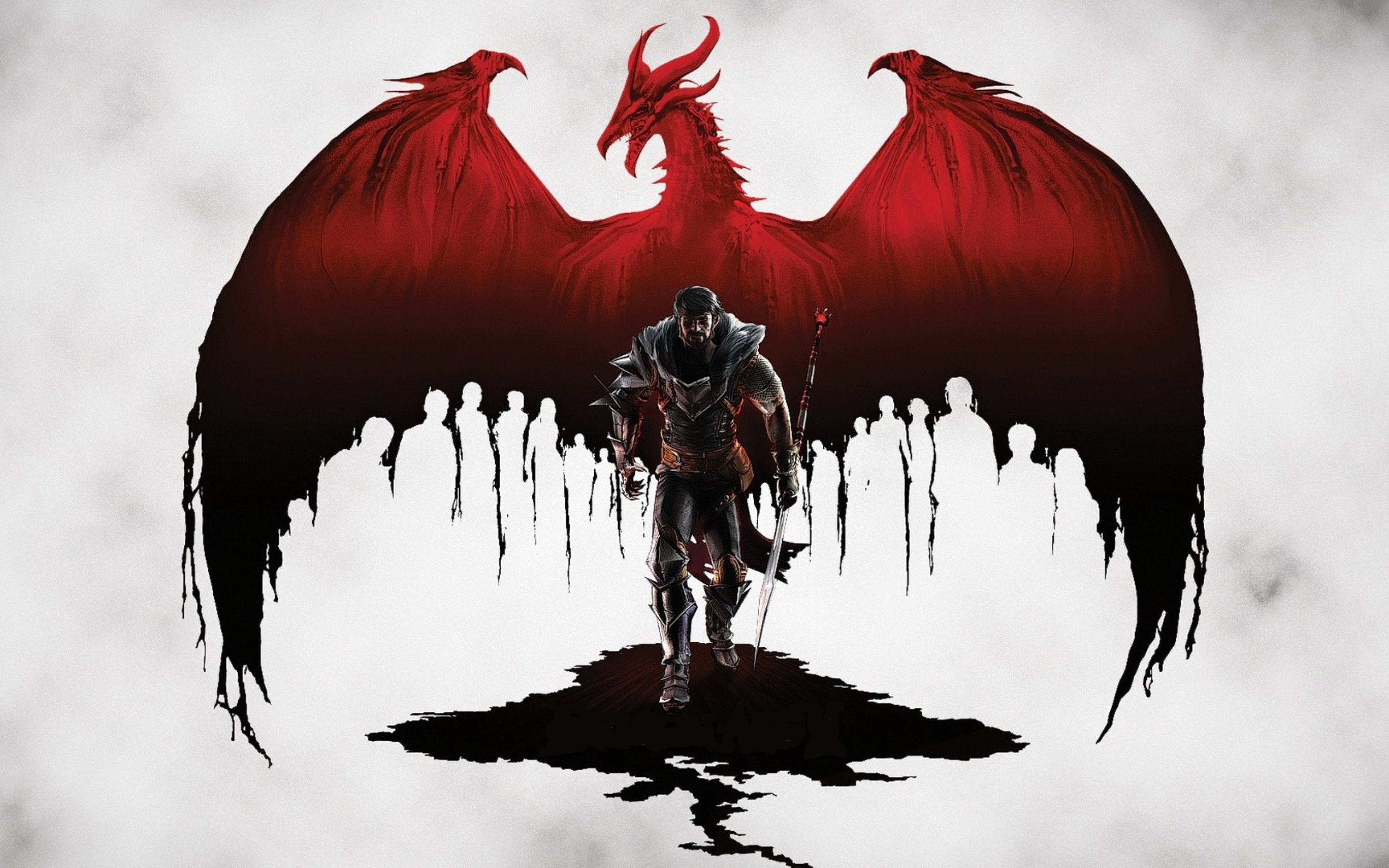
Released on March 8, 2011, Dragon Age II stands as a compelling entry in BioWare’s celebrated dark fantasy franchise. Categorized across the adventure, action, and role-playing genres, this sequel is available on PC, Xbox One, macOS, Xbox 360, and PlayStation 3. Praised by critics with a Metacritic score of 81.00, the game delivers a tightly focused narrative set against a gritty, medieval backdrop. While it does not fully replicate the monumental scope of its predecessor, it remains a quality role-playing experience that emphasizes meaningful decision-making throughout its campaign.
Dragon Age II: The World of Thedas and Narrative
The story unfolds in the high-fantasy realm of Thedas, a region defined by its definitive Dark Ages atmosphere and populated by mythological races such as elves and dwarves. Continuing directly from the events of the original title, players can select which ending to carry over as backstory. You step into the boots of Hawke, a human survivor forced to flee a devastating invasion by monstrous Darkspawn. Over the course of the game, Hawke navigates a landscape fraught with political intrigue, ultimately rising to immense power and influencing the fate of the entire continent. The narrative centers heavily on the escalating tension between Templars and Apostate Mages, with player actions constantly shaping how NPCs perceive and react to the protagonist.
Gameplay Mechanics and Combat
At its core, the title is fully customizable. Players define their protagonist’s first name, gender, appearance, and class, choosing between a mage, warrior, or rogue. Combat operates in real-time with a pause feature, allowing you to direct Hawke and a party of up to three companions simultaneously. You control one character directly while the others follow AI commands. The experience emphasizes tactical positioning and ability combinations, though the encounter design relies heavily on managing waves of enemies rather than complex strategic depth. Throughout the adventure, players engage with expansive questing, facing everything from villainous mages to greedy slavers, all while steering various story elements through deliberate choices.
Key Features and Innovations
- Dialogue Wheel System: Borrowed from the Mass Effect franchise, this interface presents tone-based conversation options that gradually define the protagonist's personality and alter NPC relationships.
- Streamlined Progression: Inventory management and skill trees have been simplified compared to earlier entries, focusing gameplay on faster-paced encounters and narrative momentum.
- Faction-Based Storytelling: Choices constantly sway the conflict between mages and Templars, affecting companion loyalty and the overall political landscape of Thedas.
- Party Dynamics: Managing a rotating cast of companions requires balancing tactical roles with personal story arcs, as allies react strongly to your class selection and moral decisions.
Who Should Play This Title?
Dragon Age II is best suited for fans of narrative-driven RPGs who value branching dialogue and character-driven storytelling over expansive open-world exploration. The game appeals to players who enjoy tactical combat with pause-and-play mechanics and want to see how their decisions ripple through a politically charged world. While the campaign offers a shorter, more concentrated experience than its predecessor, it remains a powerful study of fear, distrust, and power. Gamers looking for a deeply personal journey where their choices genuinely shape the kingdom's fate will find a rewarding, if tightly focused, adventure in Thedas.