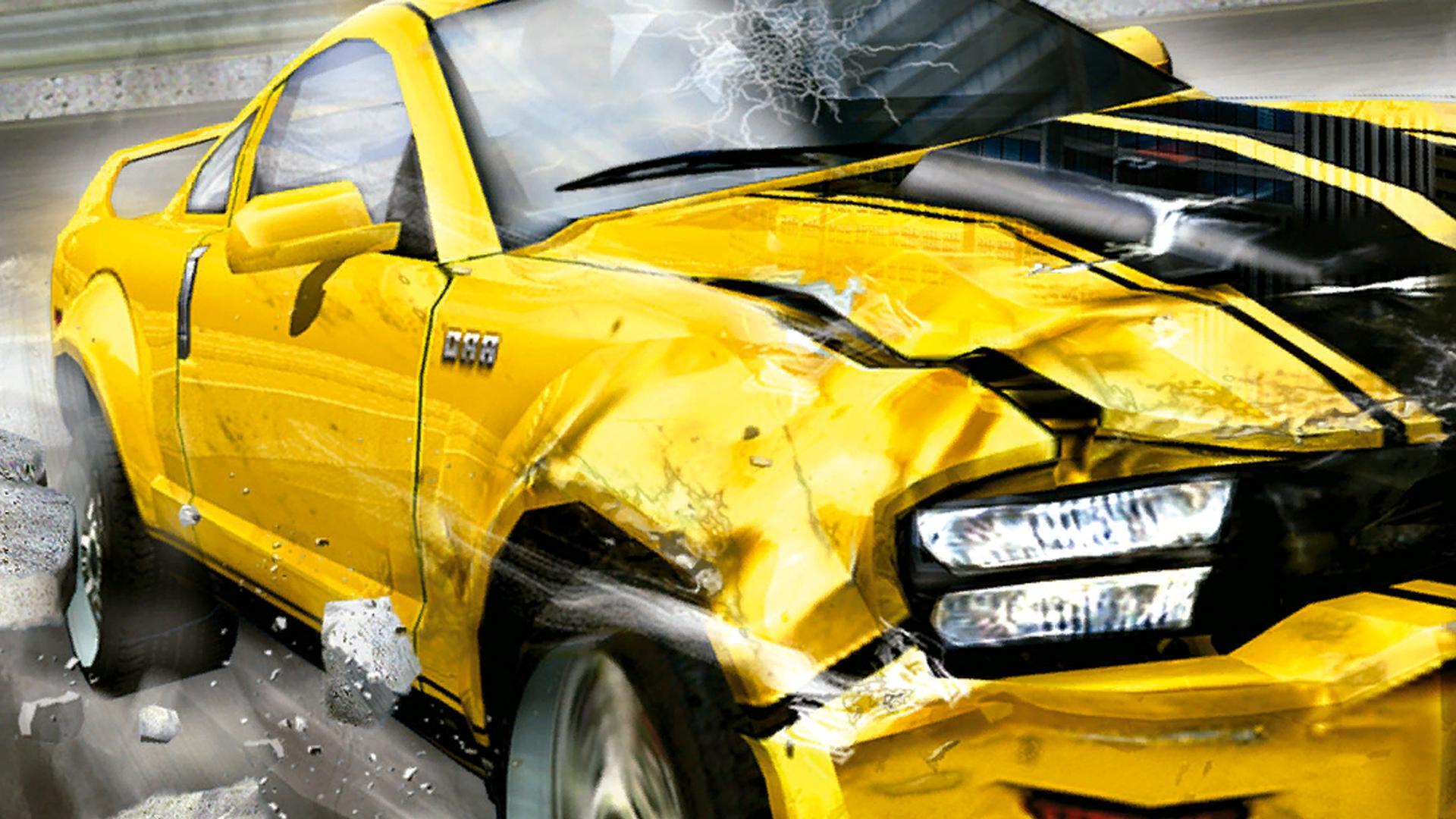
Released in June 2006, FlatOut 2 stands as a chaotic and physics-driven sequel to the original arcade racer developed by Bugbear Entertainment. Building on its predecessor's foundation, this title shifts focus heavily toward street racing, demolition derbies, and high-impact vehicular combat. The game delivers a fast-paced experience where destruction is just as important as crossing the finish line first.
Genre and Gameplay Mechanics
Categorized as an arcade racing title, FlatOut 2 blends traditional circuit competition with brutal arena events. Players navigate through thirty-plus tracks featuring varied environments, from forested log roads and dirt circuits to paved urban zones. Each race offers multiple route options per lap, encouraging strategic decision-making. The career mode progresses through distinct racing classes, requiring players to master three specific vehicle types: derby, race, and street cars. As you advance, you unlock a roster of thirty-four vehicles, ranging from high-performance machines to school buses, and can allocate winnings to upgrade existing cars rather than constantly purchasing new ones. The AI opponents are named and programmed with unique driving styles and personalities, often turning races into vengeful, cutthroat battles where rivals target each other just as aggressively as they target the player.
Story and Setting Overview
Rather than focusing on a traditional narrative, the game establishes its setting through a gritty, competitive motorsport circuit centered on street racing culture and vehicular demolition. The world is built around proving dominance across diverse racing disciplines, from organized cup tournaments to free-form arena destruction. The environment serves as both a playground and a hazard, with destructible terrain and objects that react dynamically to collisions. Progression is tracked through tournament wins, money earned for upgrades, and mastery of increasingly difficult circuits, placing the emphasis squarely on skill and adaptation rather than cinematic storytelling.
Platform Availability
Originally launched for PC, Xbox, and PlayStation 2, the sequel quickly expanded its reach to additional systems. The game is also available on Linux, ensuring broad accessibility across different operating environments. This cross-platform distribution allowed the title to capture a wider audience of racing enthusiasts and physics-based gaming fans.
FlatOut 2 Notable Features
The sequel introduced several key improvements and standout mechanics that differentiate it from both its predecessor and contemporaries:
- Enhanced Physics and Handling: The game refined the original mechanics, introducing improved tire grip and more stable controls that balance arcade chaos with simulation-like precision.
- Ragdoll Driver System: A dynamic physics model tracks driver movement inside the cockpit, allowing them to fly clear during severe crashes or stunt challenges.
- Expanded Content: The title doubled the original roster of vehicles, tracks, and mini-games while adding longer tournament structures and online multiplayer support.
- Vehicular Destructibility: Real-time deformation affects both cars and the environment, rewarding precise impacts and enabling epic, physics-driven collisions.
- Stunt Mini-Games: Arena events challenge players to perform specific tasks, such as launching their driver body toward targets or achieving maximum distance, blending racing with physical comedy.
Who It Appeals To
This title is designed for players who thrive on high-speed competition, unpredictable physics, and multiplayer mayhem. Fans of classic destruction derby games, arcade racers that prioritize impact over realism, and those who enjoy competitive online or couch co-op racing will find particular value here. The game blend of strategic car management, diverse track layouts, and relentless vehicular combat makes it a standout entry for anyone seeking chaotic, accessible, and replayable racing action.