Giana Sisters: Twisted Dreams: A Musical Platforming Adventure
Giana Sisters: Twisted Dreams stands as a vibrant entry in the long-running platformer franchise, serving as the third main installment following the original 1987 classic. While the series began as a well-known counterpart to the Super Mario franchise, this 2012 release by Black Forest Games reimagines the formula with distinct narrative depth and innovative mechanics. Released on October 22, 2012, for PC, Xbox 360, PlayStation 3, and Wii U, the game has garnered attention for its unique blend of action, arcade-style gameplay, and adventure elements, earning a Metacritic score of 77.00. It appeals to fans of classic platformers who are looking for a modern twist on genre-defining tropes.
Gameplay Mechanics and Dual Personalities
At the heart of Giana Sisters: Twisted Dreams is the protagonist, Giana, who must navigate treacherous levels to rescue her sister, Maria, from the clutches of the evil dragon Gurglewocky. The gameplay is rooted in traditional platforming logic, where players must defeat enemies by jumping on them, a mechanic inherited from the original 1987 game. However, the title introduces a novel twist through Giana’s dual personalities: "Cutie" and "Punk."
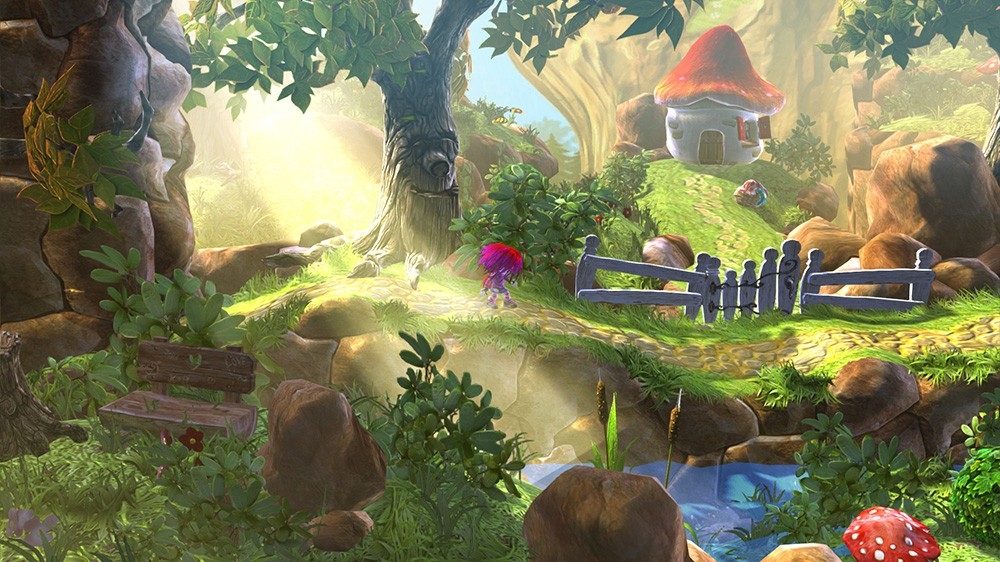
Players can switch between these two personas at will, and this transformation drastically alters the environment. Switching to the "Cutie" persona reveals a bright, colorful garden world, while shifting to the "Punk" persona transforms the landscape into a dark, nightmarish forest filled with giant mushrooms. Despite the stark aesthetic differences, the level geometry remains nearly identical in both worlds. This design requires strategic thinking, as players must often switch personas to progress. Certain power-ups and pathways are exclusive to one world, forcing the player to adapt their approach based on the current aesthetic and mechanical properties of the environment.
Immersive Story and Setting
The narrative of Giana Sisters: Twisted Dreams revolves around a classic quest structure: saving a loved one from a powerful antagonist. The setting is defined by its duality, reflecting Giana’s internal split. The game’s world is split into two dream realms that mirror each other spatially but differ visually and atmospherically. The "Cutie" world offers a whimsical, sunny garden aesthetic, providing a stark contrast to the "Punk" world’s gothic, mushroom-filled forest.
This dual-world mechanic is not just visual; it is integral to the puzzle-solving and exploration aspects of the game. Players must understand how the environment changes to find the correct path forward. The story, while simple, provides a clear motivation for the action, driving the player through a series of increasingly complex levels that test their ability to switch between modes quickly and effectively.
Notable Features: A Dynamic Soundtrack
A definitive feature of Giana Sisters: Twisted Dreams is its dynamic music score, composed by Chris Hulsbeck, who previously worked on the original Giana Sisters game. The soundtrack is a key component of the gameplay experience, shifting seamlessly between "traditional" and "heavy" versions of the same compositions. This musical shift coincides with the visual transformation between the two dream worlds.
- Dual Soundtracks: The music changes from orchestral and light to heavy metal, reflecting the change in Giana’s persona.
- Machinae Supremacy: The heavy metal elements feature contributions from the band Machinae Supremacy, adding intensity to the "Punk" world segments.
- Audio-Visual Sync: The audio cues help players anticipate environmental changes, enhancing the immersive experience.
Platform Availability and Appeal
Giana Sisters: Twisted Dreams was released on multiple platforms, including PC, Xbox 360, PlayStation 3, and Wii U, ensuring broad accessibility for gamers across different ecosystems. The game is particularly appealing to:
- Fans of classic 2D platformers who enjoy challenging level design.
- Players interested in games with unique aesthetic contrasts and dynamic storytelling.
- Musicians and audiophiles who appreciate interactive soundtracks that react to gameplay.
- Those who enjoy puzzle-platformers that require strategic switching between different mechanical modes.
The game’s ability to blend familiar platforming mechanics with innovative dual-world mechanics and a reactive soundtrack makes it a notable title in the genre. It offers a fresh take on the platformer formula, providing both nostalgia for series veterans and a compelling experience for newcomers.