Hand of Fate: A Unique Blend of Card Games and Action RPGs
Hand of Fate stands out in the crowded indie landscape as a genre-defying experience that seamlessly merges the strategic depth of deck-building board games with the adrenaline of rogue-like dungeon crawling and hack-and-slash combat. Released in 2015, this title offers players an unconventional narrative structure where storytelling is driven by the cards you play. It is not merely a card game nor just an action RPG; it is a hybrid that demands tactical thinking and quick reflexes, creating a dynamic loop that keeps players engaged through its unpredictable nature.
Genre and Gameplay Mechanics
At its core, Hand of Fate is built on mechanics typical for deck-building board games, but it distinguishes itself by incorporating rogue-like and hack-and-slash elements. The gameplay revolves around a central antagonist known as the Dealer, who serves as your Dungeon Master, opponent, and narrator all at once. You sit across from this mysterious figure, playing cards against him to dictate the course of your adventure.
Each card you reveal represents a specific element of your journey: it could be an item to equip, a character to meet, or a dangerous encounter to face. As you make choices based on the cards available in your hand, you navigate your character through a story that unfurls in real-time. The primary objective is to collect and build a powerful deck that enhances your character with better weapons, armor, and equipment. Success in combat and exploration allows you to unlock new cards, gradually strengthening your deck against the Dealer’s efforts to hamper your progress.
Storytelling and Setting
The narrative approach in Hand of Fate is heavily inspired by tabletop RPGs like Dungeons and Dragons. However, instead of a human DM guiding the session, the Dealer controls the flow of events. The game primarily presents the story through the Dealer’s narration and the text on the cards, requiring players to engage their imagination as much as their strategic skills. The Dealer actively works against you, playing cards designed to introduce new obstacles and challenges, ensuring that no two playthroughs are ever identical.
Visual Presentation and Combat
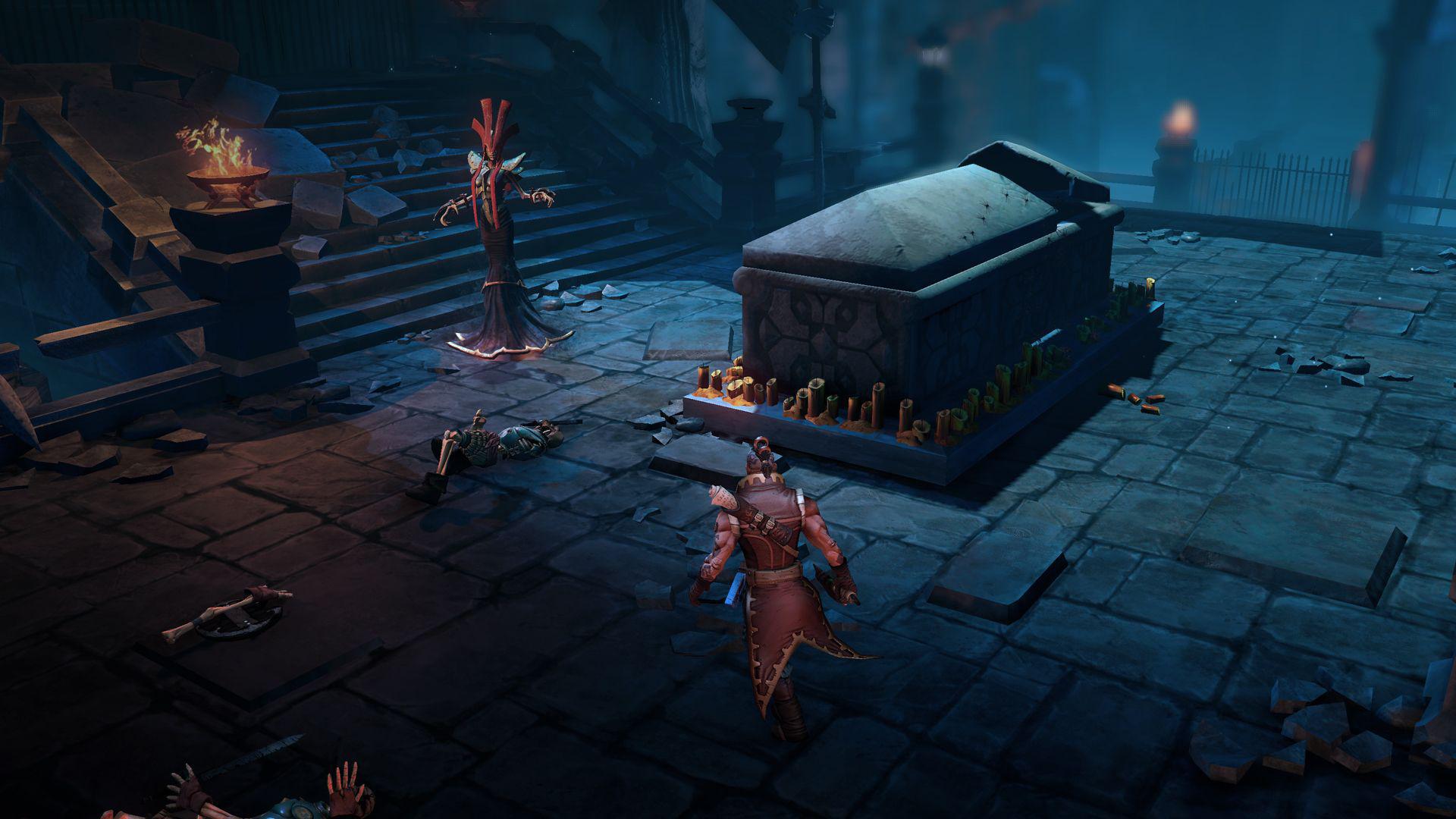
One of the most striking features of Hand of Fate is its visual presentation. For the majority of the game, the screen displays only the cards and the Dealer sitting across the table. This minimalist interface focuses attention on the strategic decisions at hand. However, when conflicts arise, the game shifts dramatically to visualized 3D arenas. Here, battles are fought in real-time by animated characters, breaking the traditional mold of board game simulators. This transition from static card selection to dynamic, real-time action brings a unique variety to the gameplay, preventing it from becoming too static.
Platform Availability
Designed for accessibility across multiple devices, Hand of Fate is available on a wide range of platforms. Players can enjoy the game on PC, macOS, and Linux, as well as on major consoles including Xbox One and PlayStation 4. This broad availability ensures that fans of hybrid genres can experience the challenge and creativity of the game regardless of their preferred gaming hardware.
Notable Features and Target Audience
Key features that define Hand of Fate include its innovative card-driven narrative, the dual nature of its gameplay (strategic card play and real-time combat), and the persistent threat of the Dealer. The game appeals to players who enjoy rogue-like elements where death is part of the learning process, as well as those who appreciate deck-building mechanics where strategic card selection is crucial. It is particularly suited for gamers who crave variety, offering a refreshing twist on traditional dungeon crawling by integrating storytelling and strategy in a way that feels both familiar and distinctly new.