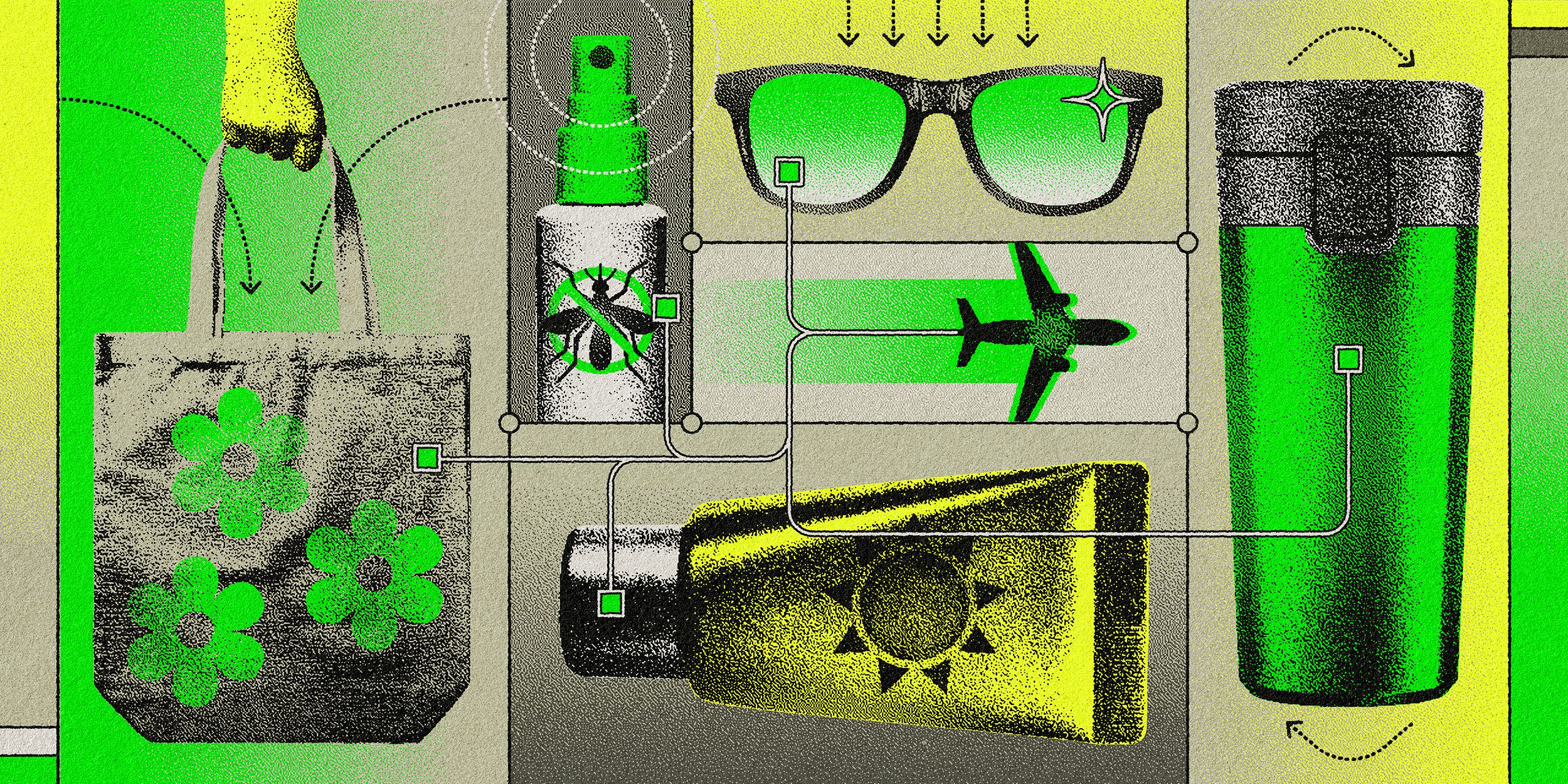
How much of your vacation’s environmental impact is actually tied to the stuff you bring along? By making smart choices in what you pack, you can significantly reduce the ecological footprint of your travels. Whether it's choosing eco-friendly products or reducing single-use plastics, environmentally conscious packing is a powerful way to support sustainability while enjoying your trip. These small changes can add up, especially when applied across multiple journeys.
Opt for Refillable Toiletries Instead of Single-Use Bottles
One of the easiest ways to cut down on plastic waste is to switch from single-use toiletries to refillable alternatives. Many travel-sized products come in plastic bottles that are only used once before being discarded. Instead, invest in a set of reusable containers and refill them with your favorite shampoo, conditioner, and body wash. This not only reduces plastic consumption but also saves money in the long run. Brands like Lush and Ethletic offer solid toiletries that are easy to pack and eliminate the need for plastic packaging altogether.
When it comes to sunscreens, choose mineral-based options that are safe for marine life. Traditional chemical sunscreens contain ingredients that can harm coral reefs and aquatic ecosystems. Opting for reef-safe formulas ensures that you can enjoy sun protection without compromising the environment. Similarly, natural insect repellents like oil of lemon eucalyptus or undecanone are effective and free from harmful chemicals. These alternatives are not only better for the environment but also safer for your skin.
Another key area to focus on is gear. Many outdoor and travel products are treated with PFAS, a group of chemicals that are harmful to both the environment and human health. Look for products labeled as PFAS-free when purchasing items like tents, backpacks, or rain gear. These alternatives are just as effective and help reduce the long-term environmental impact of your travel gear.
Reduce Waste in the Shopping Process
Packing for a trip often involves buying new items, but the process itself can be wasteful. Returning unused items, even if they’re later resold or donated, still contributes to the carbon footprint through additional shipping and packaging. Sustainable shopping means being intentional with purchases, whether online or in person.
Before making a purchase, research sizes and products to avoid returns. This helps reduce the environmental impact of unnecessary shipping and packaging. When shopping for clothing, choose second-hand or recycled options whenever possible. These items not only reduce waste but also often offer unique styles that can’t be found in mass-produced collections.
Using a reusable shopping bag for in-person purchases is another simple way to cut down on plastic. Many stores offer discounts for customers who bring their own bags, making it a win-win for both the environment and your wallet. Additionally, avoid overpacking by selecting versatile, multi-use items that can be worn or used in various situations. This not only reduces waste but also makes your travel experience more efficient and enjoyable.
The Power of Reusable Essentials
Packing a few reusable essentials can prevent the accumulation of single-use plastics during a trip. Travel mugs, water bottles, and cutlery are some of the most common items that travelers overlook, but they can make a big difference. A single reusable mug can replace dozens of disposable cups over the course of a trip. Similarly, a collapsible water bottle can be easily stored and used for refills throughout the day.
Use a travel mug to skip disposable cups on planes and in hotels. Bring a reusable water bottle to avoid single-use plastic. Pack reusable cutlery for airport food courts and meals on the go. Carry snack containers for storing food and leftovers. These items aren’t just eco-friendly—they’re practical and can even save money in the long run. As the travel industry continues to push for sustainability, reusable items are becoming more essential than ever.
The future of travel is leaning heavily toward sustainability, and the choices made in packing are a crucial part of that shift. While no single action will erase the carbon footprint of a flight, the cumulative effect of eco-conscious packing can’t be ignored. As travelers become more aware of the environmental impact of their choices, the demand for sustainable travel products is growing. This, in turn, pushes manufacturers and service providers to innovate and improve their offerings.
In the coming years, we may see more green-certified travel kits, carbon-neutral packaging, and regenerative travel accessories become the norm. For now, travelers can take the first steps by rethinking what they pack—and how those choices affect the planet.