A Fatal Tesla Crash in Texas Sets Up a Legal Showdown
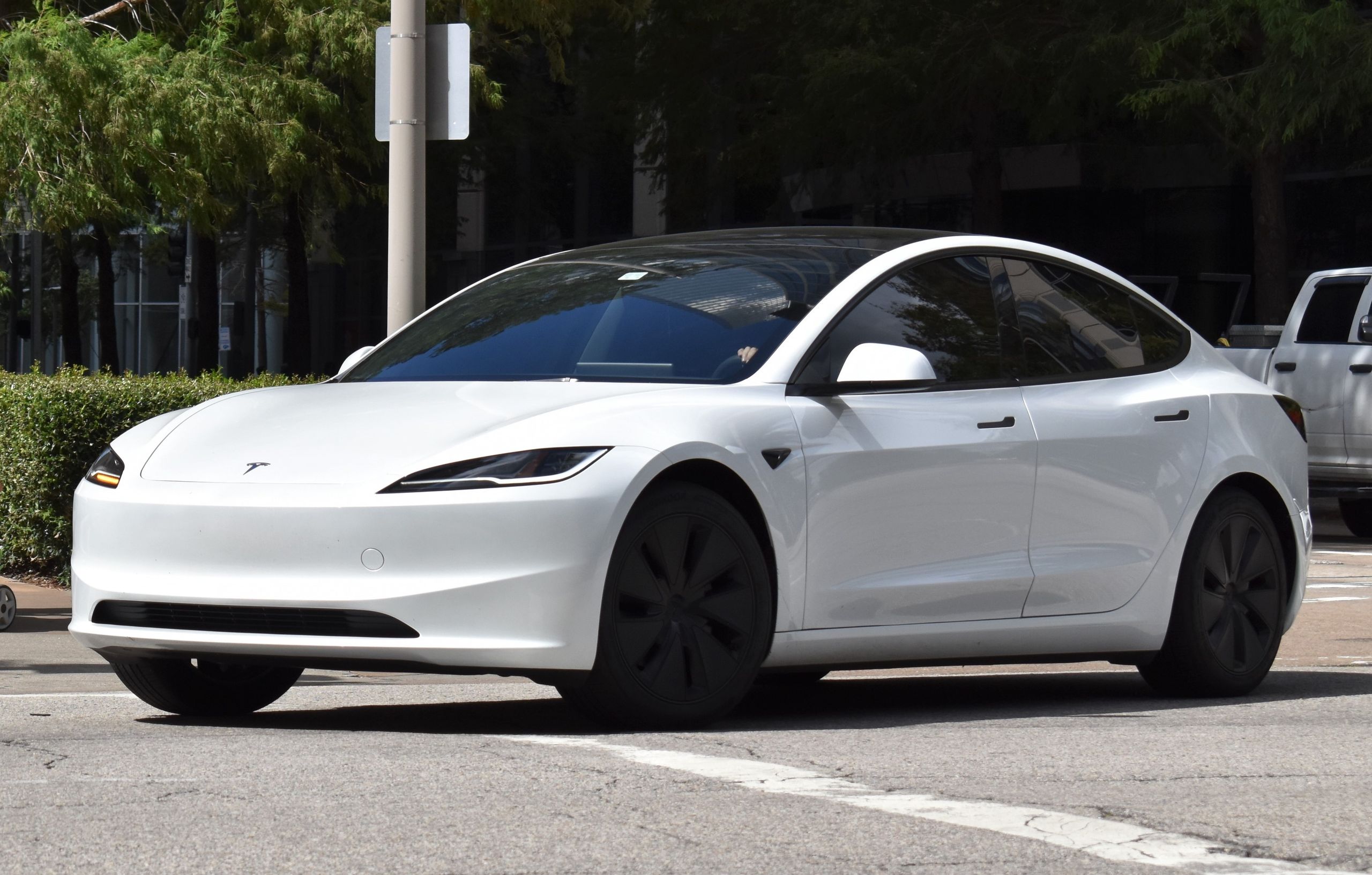
The collision that killed 76-year-old Martha Avila in her suburban Texas home has reignited debates over the safety and liability of autonomous driving technologies, particularly Tesla’s Full Self-Driving (Supervised) system. The incident, involving a Tesla Model 3 traveling at over 70 mph, has become a focal point for legal scrutiny, with Avila’s family suing both the driver and the company, asserting that the system was defective and unreasonably dangerous. This case could mark a turning point in how autonomous driving systems are evaluated in court and whether manufacturers bear responsibility for their limitations.
The Role of Driver Assistance in a Tragic Incident
The crash highlights a growing concern about the design and implementation of driver assistance systems in modern vehicles. Tesla’s FSD is marketed as a tool to reduce driver workload, but it requires constant human oversight. Critics argue that the system’s perceived reliability may lead users to lower their situational awareness, potentially resulting in dangerous outcomes if the system fails.
The driver, Michael Butler, claimed the system was active during the crash. Tesla’s response suggested the driver manually overrode the system, pressing the accelerator fully. The legal arguments now hinge on whether the system’s design left drivers vulnerable or if the driver’s actions were solely to blame. This distinction could determine the outcome of the case and shape future legal interpretations of driver-assist technology.
Precedent in Legal Battles Over Autonomous Tech
This is not the first time Tesla has faced legal challenges over its autonomous systems. In 2023, a Florida jury found the company partially responsible for a fatal crash, awarding $200 million in punitive damages. The ruling was based on the idea that Tesla overstated the capabilities of its Autopilot system, leading drivers to trust it more than they should.
The NHTSA’s investigation into FSD failures has been ongoing since 2023. A 2023 recall was issued due to concerns over driver inattention. The NTSB and NHTSA are now jointly investigating the Texas crash, underscoring its significance. This collaboration suggests the case is being treated with the same gravity as previous high-profile incidents involving autonomous driving systems.
The Future of Liability in Autonomous Driving
As autonomous driving technology continues to evolve, so too does the legal landscape surrounding it. Experts warn that automakers could face increasing liability if their systems are perceived as misleading or inadequately supervised. This case may set a new precedent for how courts assess responsibility in crashes involving driver-assist systems.
The Texas crash may not be the last of its kind, but it has the potential to reshape how driver assistance systems are regulated and marketed. As federal agencies probe deeper, the outcome could influence the future of autonomous vehicle development and consumer trust in these systems. The case is a stark reminder that while the technology is advancing rapidly, the legal and ethical questions surrounding it are just beginning to be addressed.