The Long Road to a Jet Ride: Ace Combat's Director Still Can't Fly a Fighter
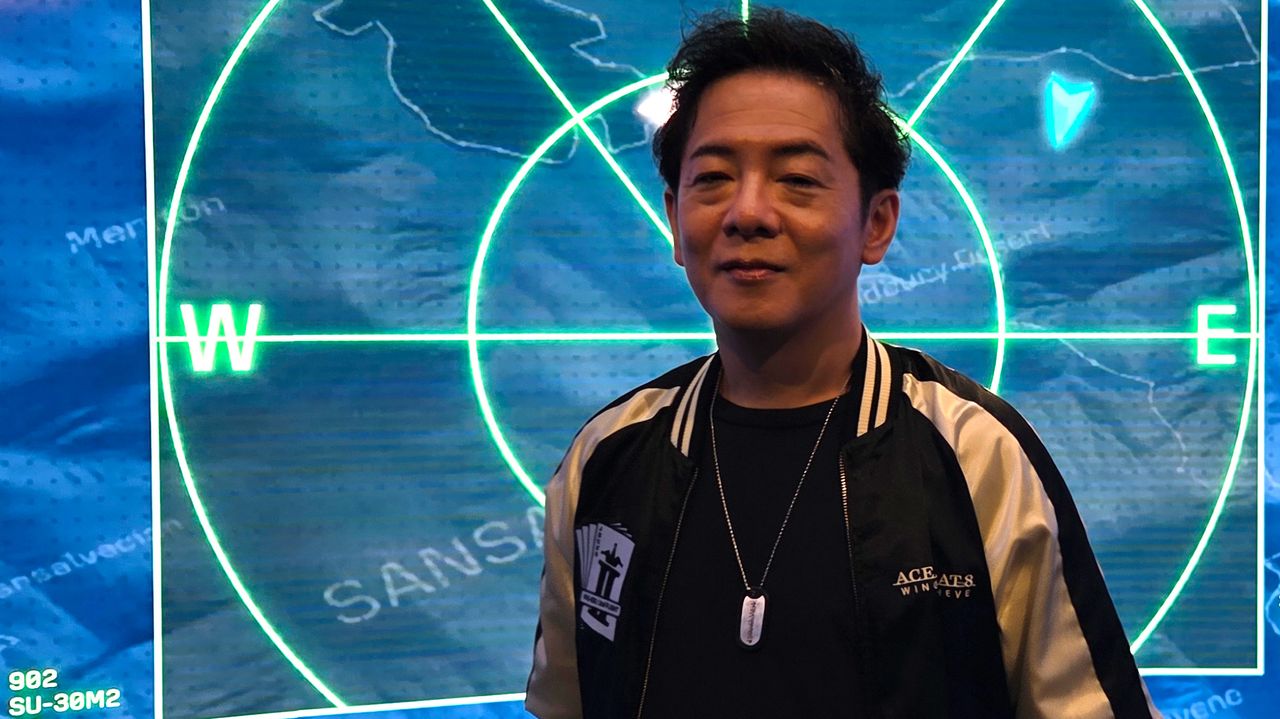
Kazutoki Kono, the director of the Ace Combat series, has spent over three decades shaping the world of aerial combat in video games. From his early days working on Ace Combat 2 for the PlayStation in 1997—where he contributed to the art and UI—to his current role as the series' brand director, Kono has been a driving force behind the franchise. Despite his deep involvement in creating games that simulate the thrill of flying high-performance jets, he has never actually had the chance to experience it firsthand.
"Unfortunately over the last 30 years of my career I've been appealing, saying 'hey, we want to ride in one of these jets!' but we have not yet had the chance," Kono said in an interview with PC Gamer. "Neither myself, or anyone on the team." The sentiment is both humorous and slightly heartbreaking, especially when considering how much the series has focused on the realism and intensity of flying these machines.
The Cost of a Jet Ride and the Possibility of a Private Plane
How much would it cost to rent a decommissioned fighter jet for a weekend? The numbers are staggering, but it's not unreasonable to assume that a fully functional jet could be purchased for millions of dollars. Bandai Namco, the publisher behind Ace Combat, makes a significant amount of revenue from Gunpla model sales alone, which could easily cover such an expense. Yet, despite the financial feasibility, the opportunity has never materialized for Kono and his team.
While Bandai Namco might be cautious about engaging directly with military organizations—unlike the producers of Top Gun: Maverick—there are certainly ways for the developers to experience the real thing. Imagine Kono, the man who has spent his career crafting the most realistic flight simulations, finally getting behind the controls of a real fighter jet. It’s an image that evokes a mix of awe and nostalgia, like a Ford v Ferrari moment where the CEO of a company gets to experience the rush of speed firsthand.
Capturing the Realism of Supersonic Flight
For Ace Combat 8, the developers have made a concerted effort to enhance the feeling of piloting a jet at speeds exceeding 1,200 miles per hour. "Sound design was a huge part of Ace Combat 8—that oomph when you're crossing the sound barrier is something we pay a lot of attention to," Kono said. However, without personal experience, the team has had to rely on publicly available data—such as weight and thrust specifications—to simulate the differences between various aircraft models.
Despite this limitation, the Ace Combat team has still managed to get close to the real thing. "We did have the opportunity to sit in the cockpit, so in my mind I was thinking 'all I have to do is push this lever and we're off,'" Kono said. It’s a small step, but one that highlights the developers' passion and dedication to their craft.
A Private Jet or a Studio Purchase?
When asked if high sales of Ace Combat 8 could persuade Bandai Namco to invest in a fighter jet for the development team, Kono offered a humorous alternative: "Well, maybe not for Bandai, but if they buy it for me, it could be my private jet." It's a lighthearted take on a situation that, while not a priority for the publisher, is a dream for the developers.
In the end, whether it's a studio purchase or a personal jet, the idea of Kono finally experiencing the thrill of supersonic flight is a tantalizing one. It’s a reminder of how much passion and dedication go into creating a game that simulates something as intense and exhilarating as flying a fighter jet.