3D printing has long been the cornerstone of the modern maker movement, offering enthusiasts the power to manufacture tangible objects directly from digital designs. For many, it represents the ultimate DIY dream: the ability to build, iterate, and create within a home workshop. At the center of this industry stands Bambu Lab, a company widely praised for its high-quality hardware and user-friendly approach.
However, that reputation is currently fracturing. The brand is embroiled in an intense controversy that has pitted it against a massive coalition of tech influencers and software developers, sparking a heated debate over ecosystem control versus consumer freedom.
The OrcaSlicer standoff and legal threats
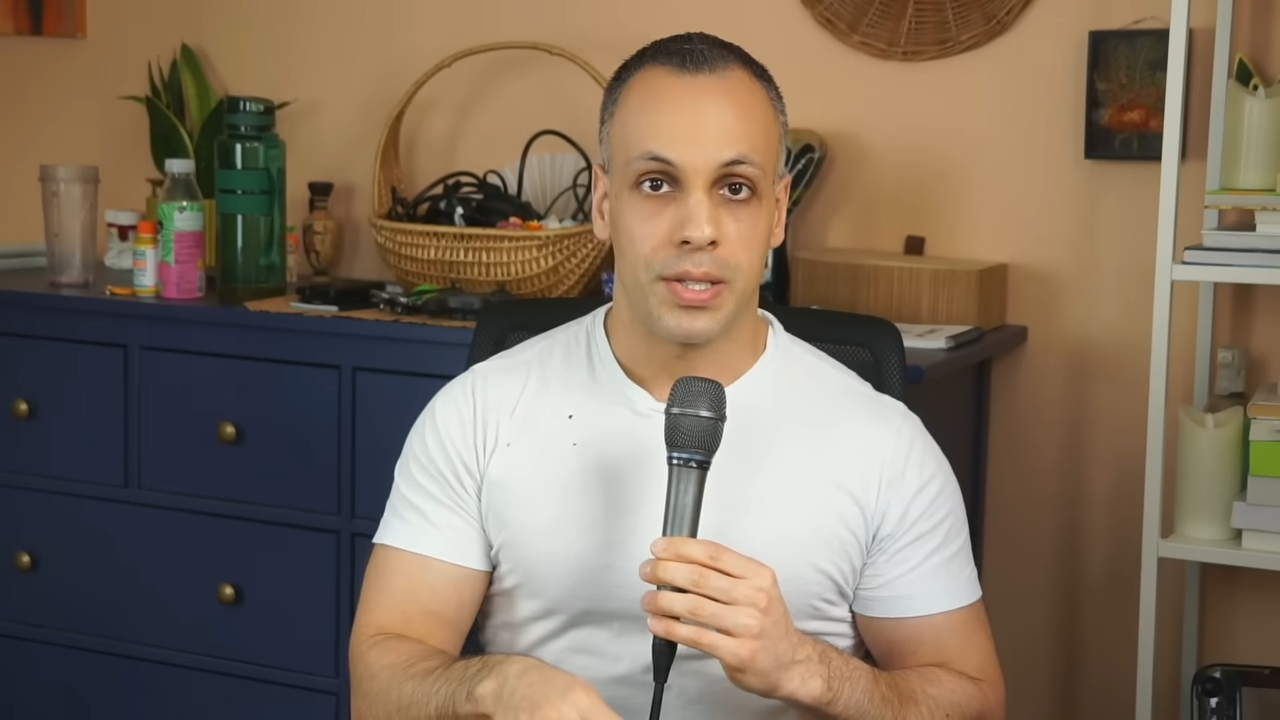
The friction began late last year when YouTuber Louis Rossmann exposed a critical update within the Bambu Lab ecosystem. This update effectively blocked third-party slicing software, forcing users to rely almost exclusively on proprietary tools. While the company claimed these changes were necessary to protect their devices, critics viewed it as a blatant attempt to tighten control over hardware users had already purchased.
In response to these restrictions, the community turned to OrcaSlicer, an open-source slicing program designed to bypass Bambu Lab’s limitations and allow users to utilize familiar third-party tools. This led to a dramatic escalation when Bambu Lab reportedly issued a cease and desist letter to the developer behind OrcaSlicer.
The company cited Section 1201 of the Digital Millennium Copyright Act (DMCA), arguing that OrcaSlicer was "impersonating another entity" by communicating with their cloud infrastructure without permission. This legal maneuver forced the original developer to take the project down, but it only served to galvanize the community.
Why the legal stance is under fire
The backlash intensified as experts pointed out potential flaws in Bambu Lab's legal strategy regarding the Bambu Lab controversy. Key points of contention include:
- AGPL License Terms: The software used by Bambu Lab (Bambu Studio) is based on the Affero General Public License (AGPL), which permits users to modify and distribute the software as long as they follow specific open-source requirements.
- Code Integrity: Louis Rossmann noted that the OrcaSlicer fork utilized Bambu Lab’s own AGPL code without modification, making the cease and desist appear legally tenuous.
- Digital Rights: Critics argue that blocking third-party software infringes upon the fundamental rights of makers to control the tools they own.
A digital rights war cry
The conflict escalated into a full-blown movement when Louis Rossmann offered $10,000 to the OrcaSlicer developer to rehost the project, promising to cover legal fees if Bambu Lab attempted further litigation. Although the developer declined to avoid a prolonged battle, Rossmann took matters into his own hands by uploading the software via GitHub himself.
The response from the tech community was swift and unapologetic:
- Gamers Nexus published a scathing post titled "F*** you, Bambu Lab," while providing direct download links for OrcaSlicer.
- Jeff Geerling, a prominent tech influencer, publicly backed the software, noting that he uses it on his own hardware and remarking that "Bambu Lab couldn't leave well enough alone."
The ongoing standoff with Bambu Lab
Bambu Lab has attempted to soften its stance, claiming they support software forks in general but specifically object to OrcaSlicer due to its "nature" and perceived impersonation of their identity. Despite these explanations, the community remains largely unconvinced.
The company now faces a precarious standoff against an alliance with massive social influence. The coalition backing OrcaSlicer includes creators with a combined subscriber count exceeding 6 million, ensuring this Bambu Lab controversy stays in the spotlight.
As the situation evolves, the central question remains: will Bambu Lab's push for proprietary control protect its brand, or will it alienate the very users who built its success? For now, OrcaSlicer remains online, standing as a symbol of community resilience against corporate legal pressure.