AMD's FSR 4.1 Dilemma: No Final Word on RDNA 3.5 GPUs
At Computex 2026, AMD made its presence known with a range of updates and announcements. However, one topic of discussion stood out — the potential rollout of FSR 4.1 to RDNA 3.5 GPUs. During the event, David McAfee, AMD's corporate vice president and general manager of its client division, reportedly stated that the company has no current plans to bring FSR 4.1 to RDNA 3.5 GPUs. This claim, however, was soon challenged by Frank Azor, who handles AMD's client and graphics marketing.
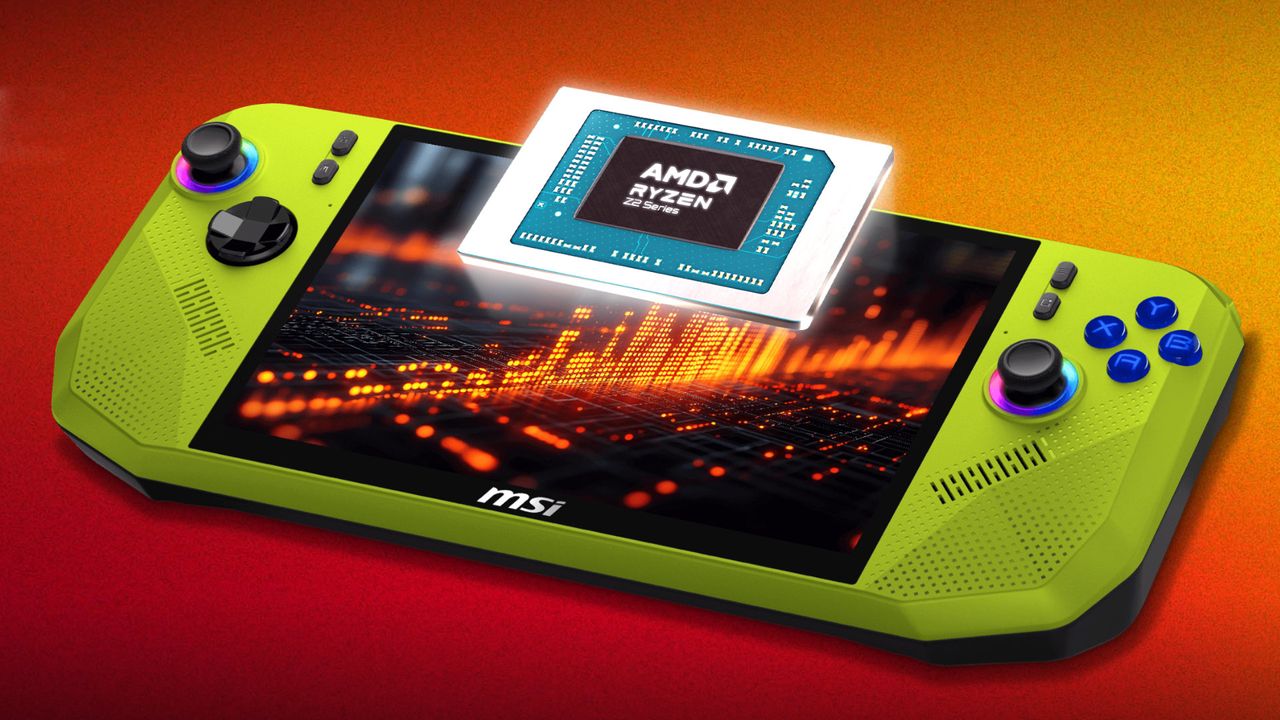
According to HardwareLuxx, McAfee's comments were based on a conversation that took place at Computex 2026. He indicated that the company is not currently looking to support FSR 4.1 on RDNA 3.5 chips, which are found in Ryzen AI 300/400/Max processors and Ryzen Z2 Extreme APUs used in handheld gaming PCs. These integrated GPUs currently rely on FSR 3.1, a version that is shader-based and lacks the advanced features of FSR 4.1.
The Technical Challenges of FSR 4.1 on RDNA 3.5 GPUs
The reason for this lack of support may lie in the technical limitations of RDNA 3.5. Unlike RDNA 4, RDNA 3.5 lacks the matrix processing capabilities required to run FSR 4.1's AI-powered upscaling and frame generation efficiently. Implementing FSR 4.1 on RDNA 3.5 would likely result in a performance drop, which may not be worth the trade-off for users.
Frank Azor's response to the HardwareLuxx report was somewhat ambiguous. He stated, "I wasn't there to hear the exact words said, however I will share that no such decision as being reported and implied here has been made." Azor emphasized that AMD is still listening to customer feedback and is not ready to discuss future product plans at this time.
This leaves the community in a bit of a confused state. On one hand, AMD has confirmed that it is working on bringing FSR 4 to RDNA 3 GPUs in July 2026 and RDNA 2-based products in early 2027. On the other hand, RDNA 3.5 seems to be left out of the equation. According to Jack Hynh, general manager of computing and graphics, the focus has been on Radeon RX 7000-series graphics cards, which further suggests that FSR 4.1 may not be a viable option for iGPUs due to their limited processing power.
What Does This Mean for Users?
The confusion is understandable, especially given the relatively small number of Ryzen AI Max-level iGPUs available in the market. These chips may be capable of running FSR 4.1, but they are not as common as discrete GPUs in laptops and handheld APUs. The lack of a clear statement from AMD on this matter has left users wondering why the company isn't simply addressing the issue directly.
HardwareLuxx reported that McAfee mentioned the lower processing power and memory bandwidth of integrated solutions as key factors in FSR 4.1's implementation challenges. This suggests that even if AMD wanted to bring FSR 4.1 to RDNA 3.5, the technical barriers may make it impractical.
In the end, the question remains: Is AMD truly not considering FSR 4.1 for RDNA 3.5, or is it just not ready to commit to a decision? Until AMD provides a clearer answer, the situation remains uncertain.