AMD's Next-Gen RDNA 5 GPUs Delayed Until Late 2027 or Early 2028, Report Claims
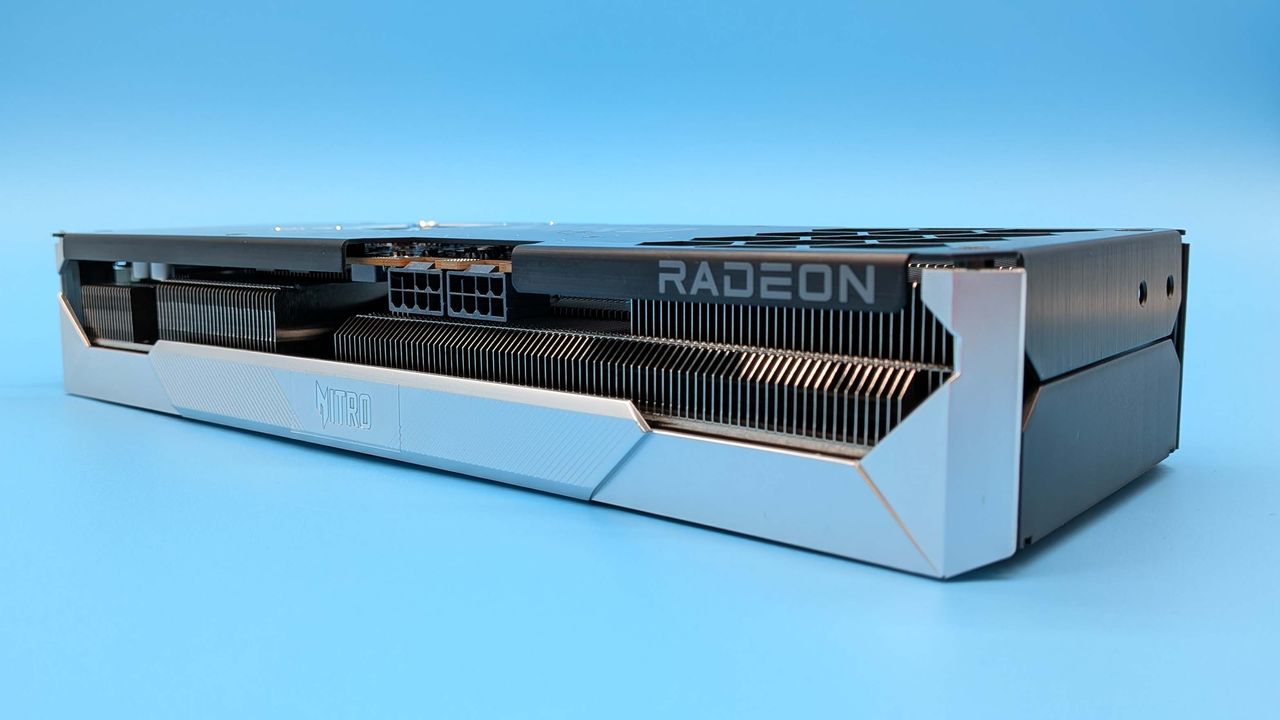
A recent report from Dutch website Tweakers, citing insights from graphics card manufacturers at Computex, suggests that AMD's next-gen RDNA 5 GPUs may not launch until late 2027 or even early 2028. This would mark a significant delay from the previous two-year development cycle. AMD's current RDNA 4 graphics cards, including the Radeon RX 9070 XT, were launched in March 2025, following the RDNA 3 release in December 2022.
According to the report, Tweakers spoke with multiple graphics card makers at Computex, and their insights varied slightly. One manufacturer indicated that the RDNA 5 launch is expected in the second half of 2027, while another suggested a more conservative estimate, placing the debut in late 2027 or early 2028. These conflicting timelines highlight the uncertainty surrounding the release schedule of the next generation of AMD GPUs.
The Shift in GPU Development Cycles
Historically, both AMD and its main rival, Nvidia, have followed a two-year cadence for launching new GPU families. However, this rhythm has recently been disrupted. The RDNA 3 GPUs, which included the Radeon RX 7900 XTX, were released in December 2022, and the RDNA 4 iteration didn’t arrive until March 2025 — a delay of over two years. If RDNA 5 does not launch until late 2027, it would extend the development cycle by an additional year, further straying from the traditional timeline.
Nvidia has also seen a similar slowdown in its product releases. The RTX 5090, for example, was launched in January 2025, nearly five months after the RTX 4090 debuted in October 2022. This deviation from the expected two-year cycle suggests that both companies are grappling with the same industry-wide challenges, including supply chain issues and rising chip costs.
Nvidia's Future APU and the Impact of the AI Boom
At Computex, Nvidia confirmed its plans to release the Vera Rubin iteration of its RTX Spark chip in 2028. This APU will combine a CPU and GPU in a single chip, making it distinct from a pure GPU. While this isn't a direct indication of when Nvidia's next-gen gaming GPUs will launch, it does offer a glimpse into the company’s broader strategy.
The delay in both RDNA 5 and Nvidia's Rubin could actually be a positive development for consumers. The AI boom has driven up chip prices, making high-end GPUs and CPUs increasingly expensive. A later release for RDNA 5 may allow for more competitive pricing, especially if the market stabilizes. However, if the AI boom continues, it's possible that RDNA 5 could still be costly when it finally arrives.
A Hopeful Outlook for the Future of PC Gaming Hardware
PC gamers have faced a difficult few years, with hardware prices rising sharply and availability becoming a major concern. If the RDNA 5 and Nvidia's Rubin arrive in late 2027 or early 2028, it could signal a return to a more balanced and affordable market. Until then, the industry will likely continue to feel the effects of the AI-driven hardware inflation. As we wait for the next generation of GPUs, the hope remains that the market will stabilize, bringing greater accessibility and value for gamers.