In a massive move that could reshape the global e-commerce landscape, GameStop has announced a $55.5 billion offer to buy eBay. The proposal, valued at $125.00 per share through a mix of cash and stock, represents an audacious attempt by GameStop CEO Ryan Cohen to pivot the company far beyond its traditional video game roots.
Transforming E-Commerce: The GameStop eBay Bid
If the deal is finalized, Ryan Cohen would step in as CEO of the newly combined entity. Speaking with The Wall Street Journal, Cohen expressed his ambition to turn eBay into a "legit competitor to Amazon." This strategy involves leveraging GameStop's existing infrastructure to bolster eBay’s marketplace reliability and live commerce capabilities.
To fund this massive GameStop eBay bid, the company plans to utilize several financial streams:
- Cash and liquid investments from its balance sheet (totaling $9.4 billion as of January 31, 2026).
- Third-party acquisition financing, including up to $20 billion in debt financing provided by TD Securities.
While the exact origins of all third-party funding remain undisclosed, reports suggest Cohen may look toward Middle Eastern sovereign-wealth funds to bridge the remaining gap.
Integrating Retail and Digital Marketplaces
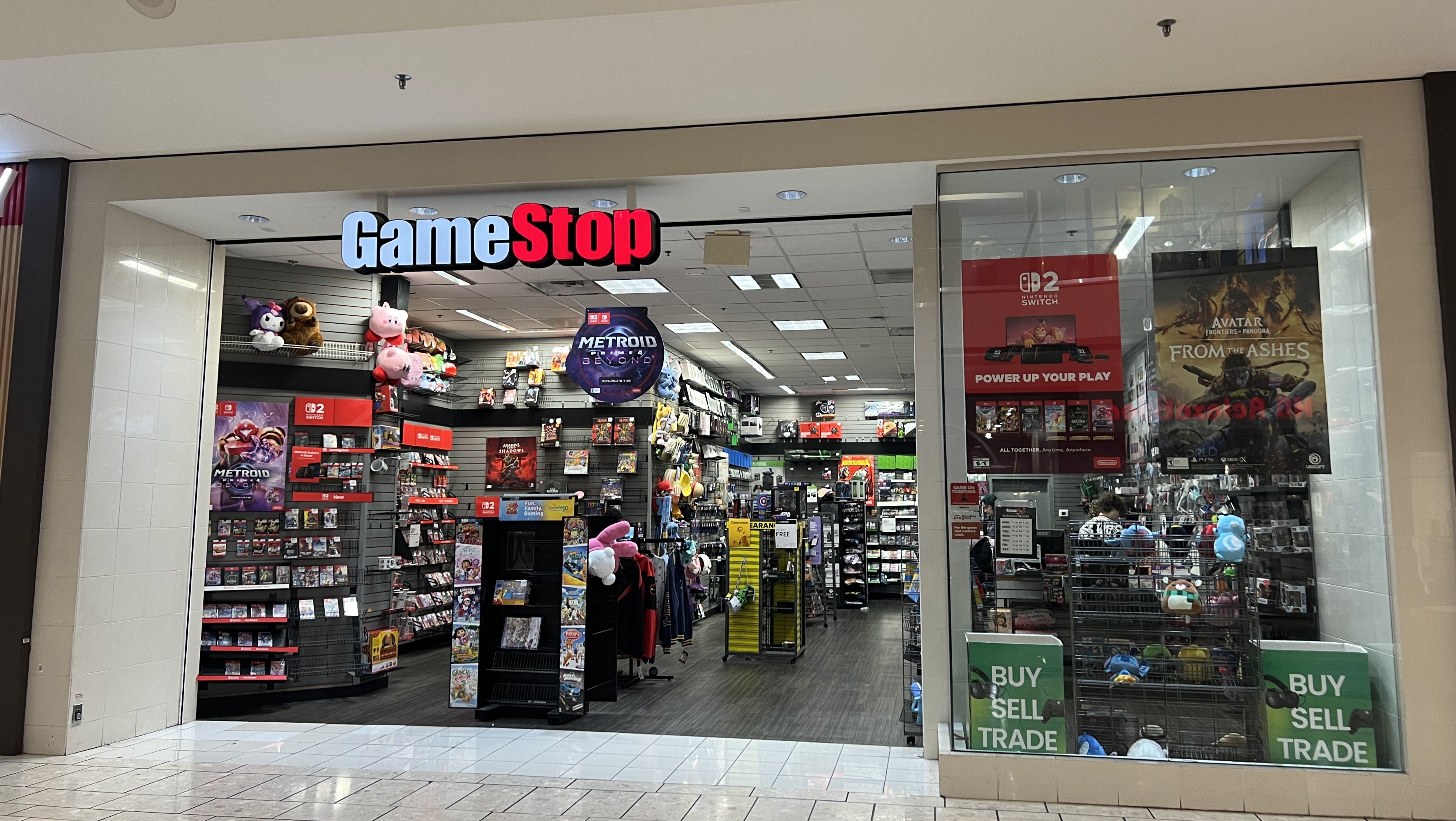
A core component of this $55.5 billion offer to buy eBay is the integration of GameStop’s physical footprint with eBay's digital platform. GameStop aims to use its 1,600 remaining U.S. retail locations as a national network for the authentication and fulfillment of eBay goods.
The plan focuses heavily on high-margin "nostalgia" items such as trading cards and retro consoles. By utilizing GameStop staff to inspect and grade hardware, the company hopes to introduce a "trust badge" for eBay listings. This would allow sellers to walk into a store, have items verified on the spot, and complete the process seamlessly.
Strategic Cost Reductions and Growth
GameStop's leadership has been vocal about the necessity of operational efficiency. The company noted that eBay currently lacks sufficient profitability relative to its spending, projecting that the merger could deliver $2 billion in annualized cost reductions within 12 months of closing.
Cohen’s personal commitment to this turnaround is equally bold. In a letter to eBay president Paul Pressler, Cohen stated he would accept no salary, no cash bonuses, and no golden parachute, noting his compensation would be tied solely to the performance of the merged company.
A High-Stakes Gamble for Ryan Cohen
The scale of this deal is reflected in the potential rewards for Cohen, who could see a $35 billion payout in stock if the combined company reaches a market value of $100 billion. This follows a period of significant volatility and restructuring for GameStop, which has closed hundreds of stores recently to reduce costs and move away from traditional new-game sales.
While some investors, such as Michael Burry, have viewed Cohen’s tactics as a way to leverage the "meme stock" phenomenon to fund larger acquisitions, the outcome remains uncertain. If eBay rejects the initial offer, Cohen has indicated he is prepared to take his proposal directly to shareholders.