Anthropic Offers Mythos Upgrade for Cyber Partners and a ‘Safe’ Version for the Rest of You
In a dimly lit basement, surrounded by monitors flickering with lines of code, a hacker tests a new AI model. What they uncover is both promising and alarming: the model can identify software vulnerabilities with unprecedented speed and accuracy. This is no longer science fiction—it’s the present reality of Anthropic’s latest AI release, which divides its capabilities into two versions: Claude Mythos 5, available only to select industry partners, and Claude Fable 5, a publicly accessible but “safe” variant.
Anthropic’s Dual Strategy: Power for Partners, Restraint for the Public
Anthropic’s decision to release two versions of its latest AI model reflects a growing tension between innovation and security in the AI landscape. Claude Mythos 5, a significantly more powerful version, is being rolled out to a limited group of partners, including members of the Project Glasswing consortium, which includes government agencies and major tech firms. These users are expected to leverage the model’s advanced capabilities in software engineering and cybersecurity, with the goal of strengthening defenses against emerging threats.
Meanwhile, the public is being offered Claude Fable 5, which Anthropic claims is equipped with “guardrails” to prevent it from engaging in activities like cybersecurity analysis, chemical research, or biological modeling. These restrictions are designed to prevent the model from being used to develop hacking tools or exploit software vulnerabilities, a concern that has prompted similar caution from other AI developers like OpenAI.
The Cost of Caution and the Challenges of Safeguards
The distinction between the two models comes with a financial and functional cost. Developers using Claude Mythos 5 or Claude Fable 5 will pay $10 per million input tokens and $50 per million output tokens, a rate that is double that of Anthropic’s previous publicly available models. This pricing strategy hints at Anthropic’s broader challenge: how to balance the commercial potential of its AI with the ethical and practical risks of its capabilities.
- Claude Mythos 5 is available only to a select group of users, including some government agencies and private companies.
- Claude Fable 5 is publicly accessible but has built-in restrictions to prevent certain types of queries.
- Both models are more powerful than the earlier Mythos Preview, which was limited to a small set of partners.
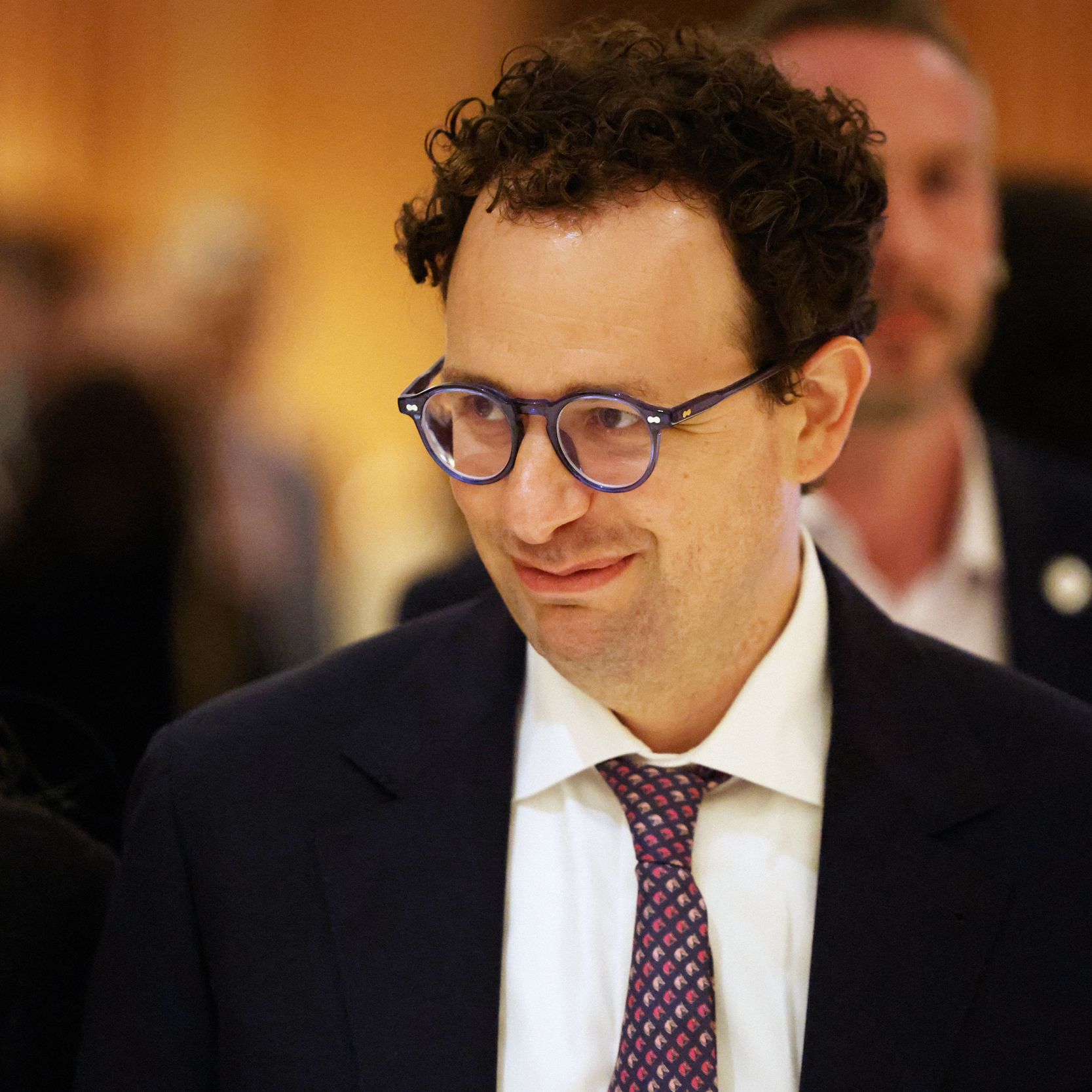
Anthropic’s head of product management, Diane Penn, has acknowledged that while the current safeguards are not perfect, they are the best compromise for now. “We’re trying to make improvements in a way that’s beneficial, even if we don’t have the perfect [solution] for every use case to start,” she said in an interview with WIRED.
A Race Against Time: AI Innovation and Cybersecurity
The release of these models is part of a broader arms race in AI development. As Anthropic and OpenAI both prepare for IPOs, they are under pressure to demonstrate their capabilities to investors while also managing the risks associated with powerful AI. Anthropic has emphasized that Mythos-level capabilities will eventually be available to the public, but only once the industry has developed better safeguards to prevent misuse.
For now, the company is betting that its guardrails—combined with careful user access controls—will be sufficient to protect the public from potential exploitation. However, skeptics argue that the complexity of AI systems makes it difficult to fully predict or prevent all possible misuse, even with advanced safeguards.
Looking Ahead: A New Era of AI Governance
Anthropic’s approach highlights the growing need for AI governance frameworks that can keep pace with technological advancements. While Claude Fable 5 may offer a safer path for the general public, its limitations also raise questions about how much of AI’s transformative potential can be responsibly shared.
As the line between innovation and risk continues to blur, Anthropic’s latest release serves as both a milestone and a warning. It shows that the industry is moving toward more nuanced models of access and control—but it also underscores the difficulty of navigating the ethical, legal, and technical challenges that come with such power. The coming months will reveal whether this approach is a temporary fix or the beginning of a more mature, responsible AI ecosystem.