Why Apple’s slow-and-steady AI bet is starting to look pretty smart
The evolution of artificial intelligence has transformed from speculative hype to a foundational element of modern technology. From rudimentary rule-based systems in the 1980s to today’s large language models capable of generating coherent text, coding, and even composing music, AI’s trajectory has been nothing short of exponential. In this context, Apple’s cautious and deliberate AI strategy—once mocked as outdated—now appears to be not just pragmatic but potentially strategic.
Apple’s AI Strategy: A Calculated, Long-Term Play
Apple has never been a company to chase trends for the sake of innovation. Its AI development has been incremental, focused on integration rather than spectacle. The recent unveiling of Siri AI, powered by a partnership with Google Gemini, marks a shift in this approach. This new version of Siri is not a standalone app but a core software component, embedded into Apple’s ecosystem in a way that aligns with the company’s long-term vision.
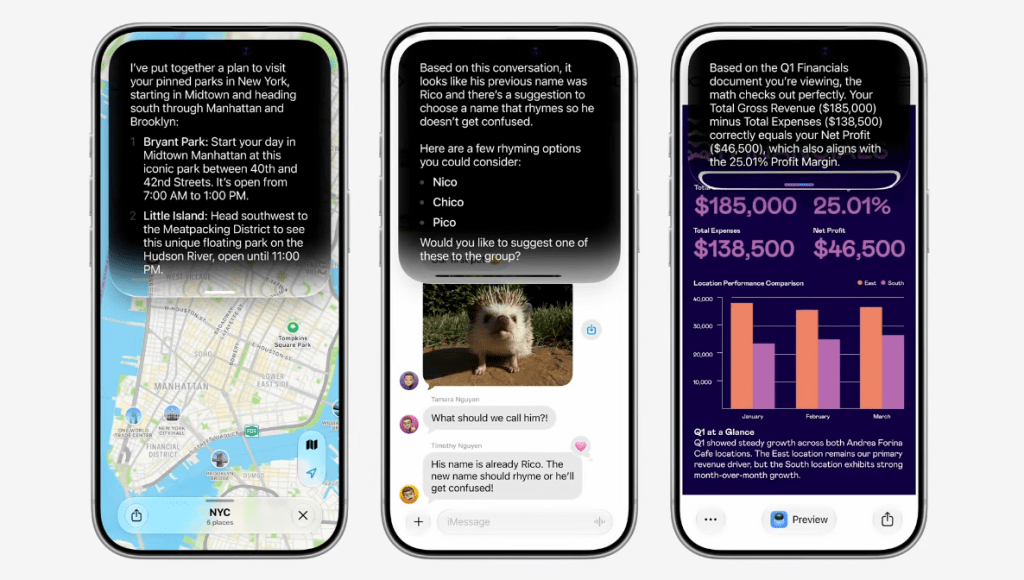
Key features of the updated Siri include the ability to extract information from users’ messages and emails, provide context-aware assistance based on what’s onscreen, and deliver up-to-date information via Gemini’s web search capabilities. These capabilities, while not revolutionary in isolation, represent a significant step toward making AI feel less intrusive and more intuitive.
The Business Case for a Measured Approach
Apple’s AI bet is also financially prudent. Unlike competitors such as OpenAI or Meta, which are pouring billions into research with unclear monetization models, Apple is leveraging its existing ecosystem and brand loyalty to integrate AI in a way that enhances user experience without requiring a massive shift in consumer behavior.
Apple’s revenue model is already robust, with $14 billion in capex planned for 2026, a fraction of what rivals are spending. The company is also benefiting indirectly from the AI boom, collecting tax revenue from AI startups that rely on its App Store. This financial cushion allows Apple to take a slower, more deliberate path—avoiding the pitfalls of overhyping features that may not align with user expectations.
What’s Next for Apple’s AI Ambitions?
As Siri AI rolls out in beta later this year, the true test will be whether users embrace the changes. Apple’s track record in user experience suggests that if the features are intuitive and useful, adoption will follow naturally. The company’s focus on embedding AI into the core of its software also gives it a unique advantage over competitors whose AI tools remain siloed within third-party apps.
Looking ahead, Apple’s AI strategy may not be the flashiest, but it is increasingly difficult to dismiss as obsolete. With competitors still grappling with how to monetize AI and integrate it into everyday life, Apple’s slow-and-steady approach might just be the most sustainable path forward.