Apple raises Mac and iPad prices, spares iPhone for now
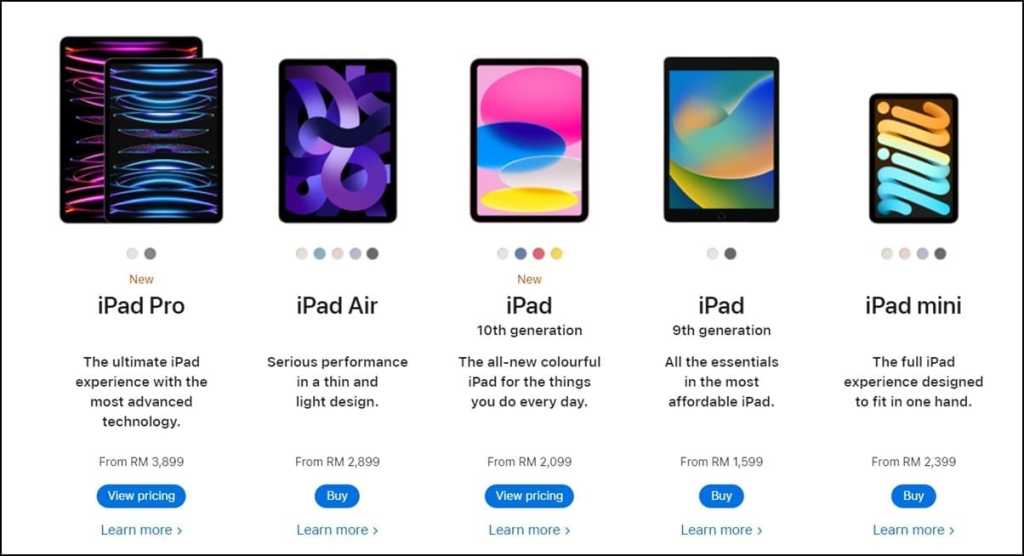
What if the cost of a computer or tablet no longer reflected the value of the device itself, but instead mirrored the economic ripple effects of a global technological revolution? Apple has quietly raised the prices of its Mac and iPad lineups in response to a worldwide memory shortage fueled by the rapid expansion of AI infrastructure. The MacBook Neo, introduced just months ago, now starts at $699 — a $100 increase from its original price. Meanwhile, the base model MacBook Air has climbed from $1,099 to $1,299, and the MacBook Pro has gone from $1,699 to $1,999. Even the Mac Studio, a high-end desktop machine, now costs $2,499, up from $1,999. On the iPad side, the Air is now $749, while the Pro has jumped to $1,199. These changes reflect a broader trend in the tech industry, where rising component costs are reshaping product pricing strategies.
The AI boom driving up memory costs
The AI boom has created an unprecedented demand for memory and storage, pushing prices to historically high levels. Apple has acknowledged this in a statement to CNBC, noting that the surge in component costs has made it “impossible to absorb memory price hikes without running a business at a major loss.” The company has managed to delay price increases for its iPhone lineup so far, but industry analysts suggest that a similar adjustment could come later in the year.
Key price changes across Apple’s product lineup
- MacBook Neo now starts at $699
- MacBook Air base model increased to $1,299
- MacBook Pro now priced at $1,999
- Mac Studio costs $2,499
- iPad Air now $749
- iPad Pro priced at $1,199
- HomePod increased to $349
- HomePod Mini now $129
- Apple TV box now $129
This shift has not gone unnoticed by industry observers. Tarun Pathak, Research Director at Counterpoint, emphasized that the AI-driven demand has fundamentally altered the memory supply chain, making higher Bill of Materials (BOM) costs a long-term challenge. “We expect other PC and tablet OEMs to follow Apple’s example,” he said. “They may raise prices on select products, cut discounts, or adjust their product lines to focus more on premium devices.”
The impact of these price increases extends beyond Apple’s balance sheet. Component suppliers like Micron, which provides memory chips, have seen their revenues surge by 400% year-over-year, reflecting the broader industry shift. As the AI economy continues to grow, the pressure on device manufacturers to pass on rising costs to consumers is likely to intensify.
Looking ahead, the tech industry faces a pivotal moment. As AI infrastructure demands more memory and storage than ever before, companies must navigate between maintaining product affordability and staying financially viable. Apple’s move may signal a broader industry trend, one where innovation is increasingly tied to the economics of the global supply chain. For now, the iPhone remains untouched — but that may not last much longer.