Apple Vision Pro Exec Is Reportedly Leaving for OpenAI
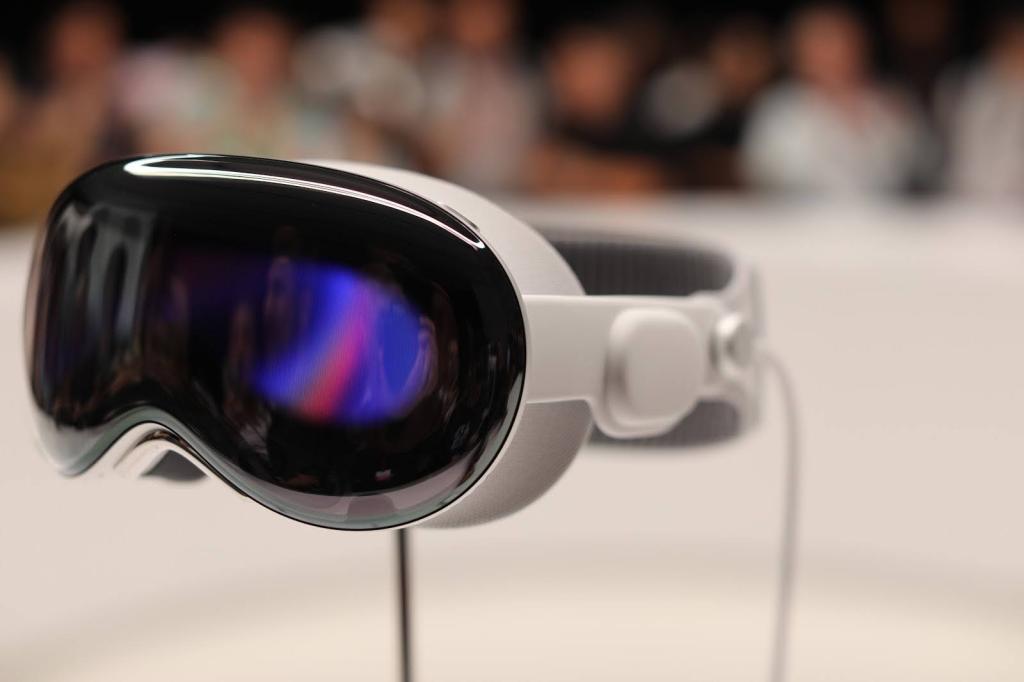
In a quiet corner of Apple’s sprawling campus in Cupertino, engineers once gathered around prototypes of the Vision Pro, envisioning a future where augmented reality was as seamless as a smartphone. But as the first units rolled off the line, the company faced a sobering reality: the headset, priced at nearly $3,500, was not the disruptive hit it had hoped for. Now, as the dust settles on that launch, a key architect behind the project is preparing to move on — to OpenAI.
A Leadership Shift at Apple Sparks Departures
Paul Meade, Apple’s vice president overseeing the Vision Pro, is reportedly leaving the company to join OpenAI’s hardware team, according to Bloomberg’s Mark Gurman. His exit is framed as part of a broader restructuring led by John Ternus, who is set to become Apple’s next CEO. Ternus’ push for a more agile engineering team reportedly left some high-ranking executives, including Meade, feeling sidelined.
Meade played a central role in designing the Vision Pro’s immersive interface and its integration with Apple’s ecosystem. He also led development of the company’s upcoming AI-powered smart glasses, a more affordable alternative to the Vision Pro. His departure highlights growing tensions within Apple’s hardware division as it pivots toward more accessible products.
OpenAI Sees a New Ally in the Hardware Race
OpenAI, already collaborating with Apple’s former chief design officer Jony Ive on an AI-powered device, now gains another ally in Meade. The project, described by CEO Sam Altman as “more peaceful and calm than an iPhone,” has been met with skepticism in some corners of the tech industry. Reports from last fall indicated the device was struggling with hardware and software integration, but Meade’s background in mixed reality and immersive computing could offer fresh solutions.
OpenAI’s focus on hardware is a significant shift for the company, which has long been known for its software and AI breakthroughs. Meade’s experience with Apple’s design language and user-centric approach may help bridge the gap between AI innovation and consumer expectations. His move signals a growing trend of top engineers moving between tech giants to shape the next era of wearable technology.
The Future of Wearable Tech Remains Uncertain
Apple’s Vision Pro, despite its high price and limited audience, has been a proving ground for the company’s ambitions in augmented reality. But with Meade’s exit, the question arises: will the project retain its momentum?
Apple’s upcoming smart glasses, expected to debut in 2025, may be the company’s best shot at capturing the wearable market. Meade’s departure could create a leadership vacuum, though Apple has a deep bench of hardware engineers. Whether OpenAI can leverage his expertise remains to be seen, but the move underscores the intense competition in the AI and wearable space.
As the lines between software and hardware blur, and the race to define the next frontier of computing intensifies, Meade’s decision to join OpenAI reflects a larger trend. Top talent is no longer confined to a single company — it’s moving, adapting, and shaping the future of technology in real time. Whether this shift will lead to breakthroughs or further complications remains to be seen, but one thing is clear: the battle for the next big platform is only just beginning.