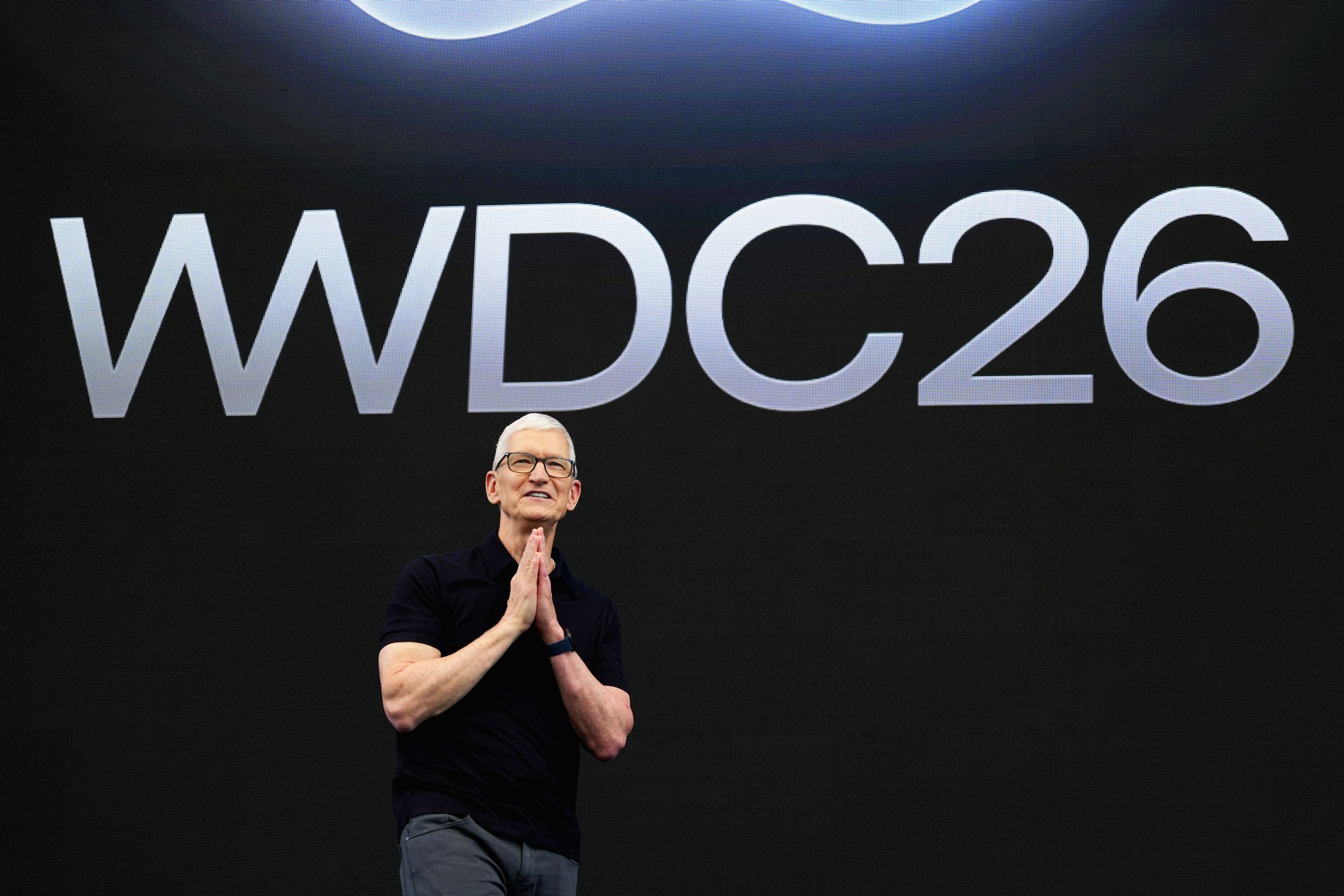
Everything Apple Announced at WWDC 2026
Apple’s latest Worldwide Developers Conference (WWDC 2026) revealed a product strategy that is at once ambitious and restrained, marked by a paradox: the company is embracing artificial intelligence more aggressively than ever, yet remains fiercely protective of user privacy and device autonomy. This duality defines the announcements, where Apple’s new AI features are deeply integrated with Google’s Gemini models, but with strict safeguards that limit processing to on-device computation and ensure user data does not leave the hardware. The result is a vision of smart computing that feels both futuristic and familiar, with Apple Intelligence standing at the center of its transformation.
AI Architecture: A Strategic Partnership with Google
Apple’s AI overhauls are built on a partnership with Google, leveraging the Gemini model as the backbone for its new Apple Intelligence suite. This partnership, which had been the subject of speculation for years, is finally taking shape in a way that aligns with Apple’s long-standing commitment to privacy. The AI features will be accessible across all Apple devices, enhancing the ability of apps like Mail, Messages, Safari, and Photos to understand user intent and deliver more personalized, context-aware results. However, the integration is carefully designed to ensure that the heavy lifting is done locally on the device rather than in the cloud, preserving user data while still enabling powerful AI capabilities.
Apple Intelligence will be available on all current devices, with performance limitations on older hardware
On-device processing is emphasized, with cloud requests handled securely
Regulatory delays will keep the AI features out of the European Union and China initially
Siri AI: A New Era of Personal Computing
At the heart of Apple’s AI ambitions is the reimagined Siri AI, a virtual assistant that now feels more like a modern AI chatbot than the clunky voice assistant it once was. The new Siri is more conversational, capable of maintaining context across multiple interactions, and can perform tasks ranging from drafting messages to helping with event planning. It also has a more expressive voice, with options that sound more human than ever, even approaching the tone of Scarlett Johansson’s character in Her. On the iPhone, Siri is now front and center in the Dynamic Island, with an animated interface that responds to user input in real time.
Siri AI will be available on iOS, iPadOS, macOS, and VisionOS
Camera integration allows real-world object recognition and instant information retrieval
Context awareness means follow-up questions are now possible without reiterating previous queries
iOS 27: Expanding Reach and Enhancing Performance
Apple’s iOS 27 update is notable for its broad compatibility, supporting all devices from the iPhone 11 onwards. This marks a significant shift in Apple’s software strategy, as it ensures that even older devices can benefit from the latest features. Beyond the AI enhancements, iOS 27 includes several new tools like a Perimenopause dashboard in Apple Health and the ability to share Photo albums with Android and Windows users. Performance improvements are also emphasized, with apps loading 30% faster and AirDrop transfers seeing an 80% speed boost.
Mac OS: A New Beginning with Golden Gate
The upcoming Mac operating system, Golden Gate, will be the first Apple OS to require Apple’s custom silicon chips, signaling a clear departure from Intel-based Macs. While details are sparse, Siri AI integration is a key highlight, with the assistant now accessible via the Spotlight service on Macs. This move underscores Apple’s push to unify its AI capabilities across all platforms, even as it leaves behind legacy hardware.
Vision Pro: Expanding the Metaverse Experience
Apple’s Vision Pro received a few targeted updates, including a new Siri Pro interface that appears as a glowing orb when activated. The headset now supports panorama creation from photos, a feature that could significantly enhance its appeal for content creators. Vision OS also gains computer vision capabilities that allow Siri to interact with objects in the real world, offering a glimpse into Apple’s vision for mixed reality interfaces.
Safari: Smarter Browsing Through AI
Apple’s Safari browser has received a major overhaul with AI-powered tab organization and the ability to describe custom extensions using natural language. The AI engine groups tabs by topic, creating folders like “shoes” when multiple tabs are open about the same subject. This feature not only streamlines browsing but also reflects Apple’s broader push to make AI more intuitive and user-friendly.
Home: Smarter Home Automation
Apple’s Home app has been overhauled to better manage smart home notifications and organize event-based videos. The app now uses computer vision to label and describe events, such as “Michael C. delivered a box to your front porch.” This makes it easier for users to find and review key moments without sifting through a flood of alerts.
Looking Ahead: A Future of Intelligent, Private Computing
Apple’s WWDC 2026 announcements mark a pivotal moment in the company’s history. By embracing AI while maintaining its strict privacy policies, Apple is charting a new course for the future of personal computing. The integration of Google’s Gemini into its ecosystem signals a broader openness to collaboration, but the emphasis on on-device processing ensures that user data remains secure. As Apple transitions to Golden Gate and continues to refine Siri AI, the company is not just updating its software — it’s redefining the relationship between users and their devices. The next chapter in Apple’s evolution is one of intelligence, integration, and unwavering commitment to privacy.