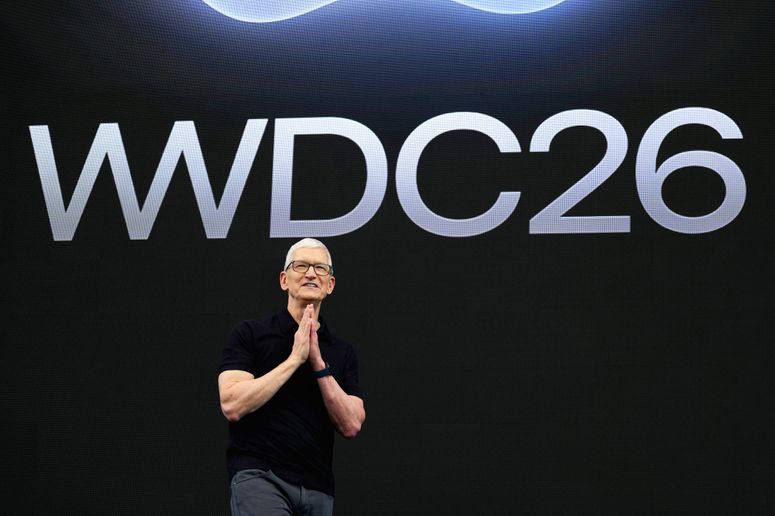
Apple WWDC 2026 Live Blog: All the Updates, as They Happen
The evolution of Apple’s Worldwide Developers Conference (WWDC) has been a defining force in shaping the trajectory of consumer technology since its inception in 1983. From the early days of introducing revolutionary operating systems like Mac OS X to the more recent integration of artificial intelligence into core services, each WWDC has marked a turning point. In 2026, the event stands at a pivotal moment, where Apple is poised to address the shortcomings of its previous AI rollout and redefine what it means to have a truly intelligent ecosystem.
Apple Intelligence Takes Center Stage
This year’s WWDC marked a clear strategic pivot for Apple, with the introduction of Apple Intelligence as the central theme of the keynote. The company acknowledged the challenges of its earlier AI initiatives, which were marred by delays and underwhelming performance. Now, Apple has committed to embedding intelligence more deeply into its operating systems, aiming for a more seamless and personalized user experience across all its platforms.
Apple Intelligence will debut in iOS 27, macOS 17, watchOS 11, and visionOS 2. The new AI framework will leverage on-device processing, emphasizing privacy and reducing reliance on cloud-based models. Core features include advanced image editing, natural language processing, and context-aware automation.
The integration of AI into the Photos app, for instance, introduces features like Clean Up, Extend, and Spatial Reframe, which enhance images without altering their original intent. These capabilities represent a significant leap in how users interact with and modify digital media.
A New Era for Siri and the Home App
One of the most anticipated updates was the transformation of Siri, which is no longer just a voice assistant but a full-fledged AI companion. Siri’s new AI capabilities allow it to generate drafts, understand personal communication styles, and even assist with financial tasks like splitting checks.
Siri will now be available in English initially, with support for additional languages expected in the coming months. The Siri app is expanding to watchOS and visionOS, where it can be activated simply by looking at the Siri orb on the Apple Watch or visionOS interface. On the iPhone, Siri’s integration with the Camera app brings features akin to Google Lens, allowing users to snap photos of receipts, bills, and other documents for immediate processing.
The Home app also received a major upgrade, with AI-driven notifications that provide more detailed descriptions of activity around the home. This move aligns Apple with competitors like Google and Amazon, who have long offered similar features. Enhanced notifications now include contextual details, such as identifying who entered a room or what specific device triggered an alert.
Developer Tools and the Future of the Ecosystem
Apple also emphasized its commitment to developers, unveiling new tools and frameworks that aim to streamline app creation and enhance the performance of existing applications. The Private Cloud Compute initiative was highlighted as a cornerstone of this effort, allowing developers to run complex AI models without compromising user privacy or device performance.
- Private Cloud Compute enables AI-driven features to be processed locally, reducing latency and bandwidth usage.
- Safari will now use AI to group tabs by topic, reducing clutter while maintaining user control.
- Apple Shortcuts has been simplified with natural language integration, making automation more accessible to non-technical users.
The developer betas for all these updates are now available, with official versions expected later in the year. As the industry moves toward more personalized, AI-driven experiences, Apple’s 2026 WWDC has positioned itself as a critical milestone in that journey.
The event concluded with a message from Tim Cook, who reaffirmed Apple’s belief in the future of its ecosystem. With Apple Intelligence now firmly embedded in its platforms, the company is not just catching up to the AI race—it is setting a new standard for how users interact with technology. As developers and users alike begin to explore these new features, the coming months will reveal just how transformative this shift can be for the broader tech landscape.