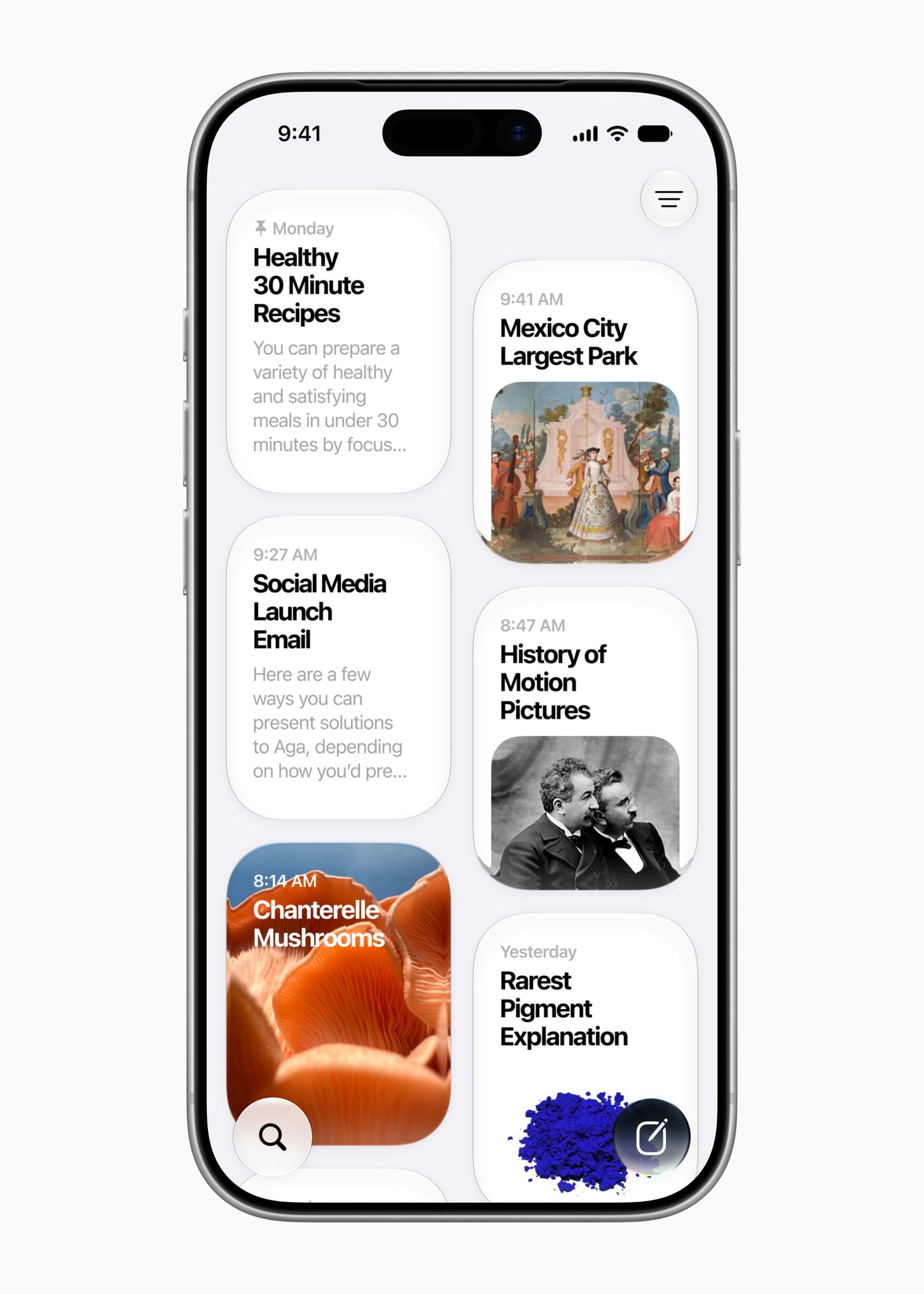
Apple’s new Siri AI is being positioned as a personal assistant, and the company is making bold claims about its ability to deliver a more tailored user experience. For years, Siri has been seen as a relic in the fast-evolving world of generative AI, where competitors like Google’s Gemini, Anthropic’s Claude, and OpenAI’s ChatGPT have pushed the boundaries of conversational technology. Now, Apple is trying to catch up with a redesigned Siri that promises more personalized interactions and a deeper understanding of user data. The partnership with Google’s Gemini to power its AI engine marks a significant shift toward a more intelligent, context-aware experience. However, privacy concerns remain a major point of contention as the company balances innovation with user trust.
A New Era for Siri
Apple’s overhaul of Siri includes a stand-alone app, a feature long requested by users who wanted a more flexible and interactive experience. This app allows users to revisit past conversations with Siri, continue threads, and even send text-based requests. The integration of Gemini, known for its multimodal capabilities, brings a level of sophistication that could bridge the gap between Apple’s ecosystem and the more open AI platforms dominating the market. With this update, Siri will be able to analyze content on your screen, pull from your notes, and compose emails or messages, effectively transforming from a simple voice-activated tool into a personalized digital assistant.
- The new Siri app allows for chatbot-style interactions
- Users can continue previous conversations with the assistant
- Integration with Gemini enables more natural, context-aware responses
Balancing Personalization with Privacy
While the new Siri promises a more intelligent and helpful experience, it also raises questions about data access. Apple has historically prided itself on user privacy, but with increased personalization comes the need for more data. The company has attempted to address these concerns by emphasizing on-device processing and obscuring user IP addresses. However, experts like Marshini Chetty note that even with these precautions, the boundaries between useful automation and data exploitation become increasingly blurred. As the AI evolves, so too must the public’s understanding of how personal data is being used—whether for convenience or something more insidious.
A Cultural Divide in AI Adoption
Despite Apple’s efforts, the cultural resistance to AI tools remains a hurdle. Some users are wary of allowing AI to access their personal data, even if it means more efficient automation. This sentiment is echoed by privacy experts like Serge Egelman, who warn that companies are pushing AI features regardless of user preferences. Whether the new Siri will succeed depends not just on its technical capabilities, but also on whether users feel comfortable and confident in its ability to handle their personal information responsibly.
Looking Ahead
The success of Apple’s new Siri hinges on more than just its AI capabilities—it requires a cultural shift in how users perceive and trust voice assistants. With Gemini-powered intelligence and a reimagined interface, Apple is making a bold play to re-enter the AI race. But if the company wants to avoid the fate of its delayed 2024 features, it must ensure that this update is both timely and genuinely useful. As the tech world watches closely, one thing is clear: the future of voice assistants is no longer just about what they can do, but how they make users feel about what they’re doing.