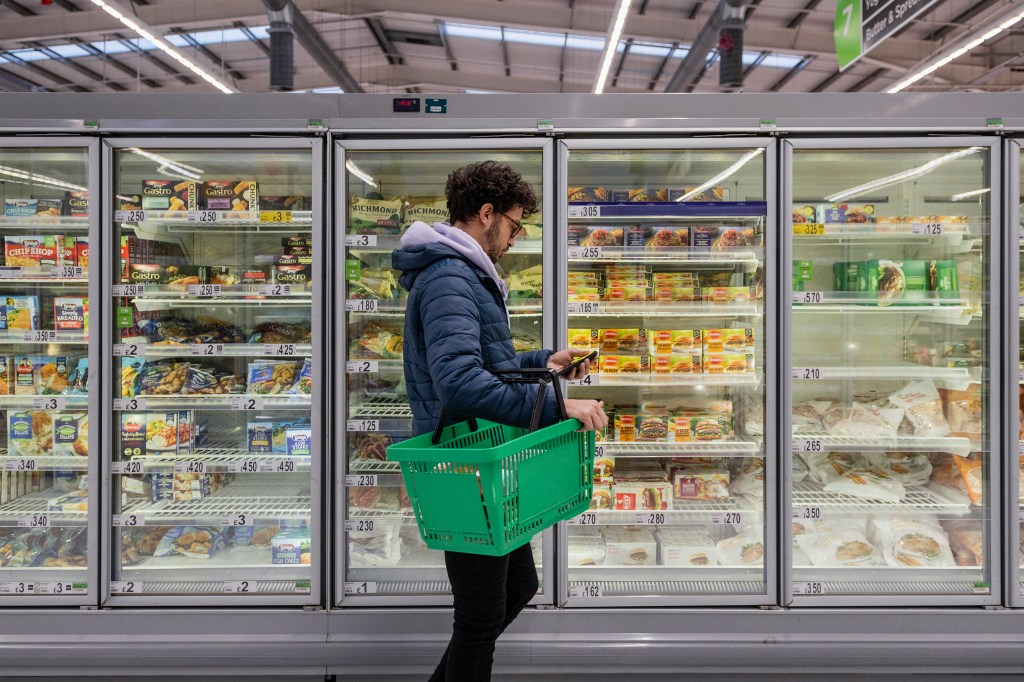
Modern refrigeration relies on a delicate, often dangerous balance of pressurized gases. While effective at keeping food safe, this century-old technology is tethered to vapor compression—a process that requires volatile refrigerants to move heat. The persistent threat lies in the environmental risk: leaks involving these chemical refrigerants can be thousands of times more potent than carbon dioxide in driving global warming.
The startup Barocal aims to disrupt this cycle with a breakthrough method where a Barocal can cool your food and drink by squeezing a hunk of plastic crystals.
How Plastic Crystal Compression Works
Unlike traditional systems, the alternative proposed by Barocal moves away from volatile gases entirely, relying instead on the mechanical manipulation of solid materials. At the
heart of this innovation is a class of substances known as plastic crystals, which possess a unique molecular architecture. The cooling mechanism functions through a profound application of pressure via three distinct stages:
- Molecular Rotation: In their natural state, molecules within these organic materials rotate freely, allowing them to absorb and release thermal energy.
- Compression Phase: When the crystals are compressed, physical force restricts molecular rotation, forcing the material to release energy as heat.
- Expansion Phase: When pressure is released, the molecules regain freedom of movement, absorbing heat from the surrounding environment.
To facilitate large-scale cooling, Barocal utilizes a system that flows water past these compressed materials and out to a radiator. This allows the technology to effectively pump heat from one area—such as a refrigerator interior—to another, maintaining consistent temperatures without complex chemical cycles.
Moving Beyond Vapor Compression
The transition from gaseous refrigerants to solid-state cooling represents a fundamental shift in environmental stewardship. Traditional refrigeration compressors are prone to leaks that can degrade the ozone layer or exacerbate the greenhouse effect. Because Barocal’s technology utilizes stable, inexpensive solids, the risk of atmospheric contamination is virtually eliminated.
Beyond environmental benefits, the potential for energy efficiency sets this method apart. Early prototypes have demonstrated performance levels comparable to existing compressors while promising significantly lower power consumption. This efficiency gain has already attracted substantial financial interest:
- Barocal recently closed a $10 million seed round to accelerate development.
- Key investors include Breakthrough Energy Discovery, World Fund, and Cambridge Enterprise Ventures.
- The technology utilizes materials common to industries like plastics and paints, suggesting high scalability.
By replacing heavy, energy-intensive machinery with streamlined, solid-state components, the startup aims to drastically reduce the total carbon footprint of global cooling infrastructure.
Scaling for Commercial Impact
While this technology could theoretically be miniaturized for consumer use, Barocal’s immediate focus remains on large-scale applications where efficiency gains offer the highest return on investment. The company is currently targeting HVAC systems and commercial refrigeration units. In these massive industrial environments, even marginal increases in energy efficiency can result in significant cost savings and a measurable reduction in global energy demand.
The research driving this movement originated from the laboratory of Xavier Moya, a professor of materials physics at the University of Cambridge. His work into how materials capture and release heat provided the foundational science necessary to move these crystals from academic theory to market-ready hardware.
The path toward a post-gas cooling era remains fraught with manufacturing and integration challenges. However, if Barocal can successfully scale its compression mechanics to meet the demands of industrial HVAC, the era of the leaking compressor may finally be nearing its end.