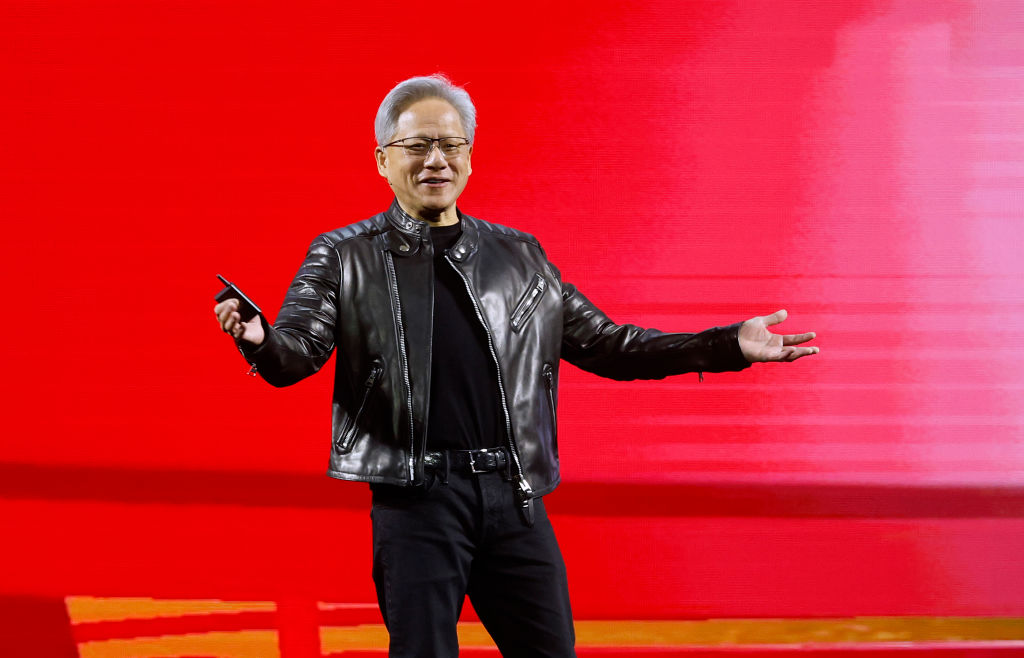
As the global workforce grapples with the rapid rise of automation, Nvidia CEO Jensen Huang is offering a counter-narrative to the fear of mass unemployment. While many worry that artificial intelligence will render human labor obsolete, Huang argues that AI is actually creating an enormous number of jobs by acting as a catalyst for entirely new industries and economic expansion.
The AI Job Multiplier Effect
Rather than viewing technology as a replacement for people, Huang frames the rise of AI as a job multiplier. His perspective suggests that the productivity gains harvested from automation don't lead to labor erosion, but rather enable the birth of roles that we cannot yet fully imagine.
This shift in employment is driven by several key sectors:
- Infrastructure Demand: The massive scale of AI hardware production—including GPUs and data center components—requires a robust global workforce in manufacturing and logistics.
- The Services Layer: As models grow more complex, new specialized positions are emerging for the training, fine-tuning, monitoring, and oversight of AI systems.
- Cross-Sector Integration: The adoption of AI in healthcare, finance, education, and manufacturing is creating hybrid roles that require a blend of domain expertise and machine system knowledge.
From Substitution to Augmentation
A core component of the argument presented by Jensen Huang is the distinction between automating tasks and replacing workers. When repetitive elements of a job are automated, the essential human functions—such as management, creativity, and complex interpersonal interaction—remain critical.
This transition shifts the focus from substitution to augmentation. In this model, AI handles the rote, data-heavy elements of a role, effectively freeing human employees to focus on higher-value contributions that require emotional intelligence and strategic thinking.
Navigating the Challenges of a New Era
Despite the optimistic outlook regarding how AI is creating an enormous number of jobs, significant structural hurdles remain. The transition will not be seamless, and the responsibility for a stable workforce lies with both corporations and policymakers.
To ensure the benefits of AI are broadly distributed, several focus areas must be addressed:
- Skill Acquisition: Workers must prioritize continuous learning to develop skills that complement AI systems.
- Corporate Responsibility: Companies deploying automation should invest in reskilling pathways rather than relying on abrupt displacement.
- Policy Frameworks: Public-private collaborations are necessary to create social safety nets and training programs that mitigate the risks of inequality.
The future of employment depends less on the capabilities of the technology itself and more on how society manages the resulting change. If managed with foresight, AI can catalyze a wave of productivity that supports new services and sustains long-term economic growth.