Assassin’s Creed Black Flag Resynced – Everything To Know
The 2013 release of Assassin’s Creed IV: Black Flag marked a turning point for the franchise, both in terms of its narrative scope and technical evolution. With its open-world Caribbean setting, dynamic sailing mechanics, and a protagonist who was a pirate rather than a medieval assassin, it was a bold step forward. Nearly a decade later, Black Flag Resynced reimagines that experience with modern technology, setting the stage for a new era of re-imagined classics in the gaming industry.
A Technological Rebirth with the Anvil Engine
Black Flag Resynced is not merely a graphical upgrade—it is a complete rework of the game’s core systems, built using the latest iteration of the Anvil engine. This engine, also used in Assassin’s Creed Shadows, has brought significant improvements in parkour, stealth, and combat mechanics. The result is a more fluid and responsive gameplay loop that respects the original while pushing the franchise into a new technical realm. The rebuilt systems also allow for more detailed environments, smarter AI behavior, and a more immersive open world that feels both familiar and freshly crafted.
New Content, Old Faces, and Unexpected Allies
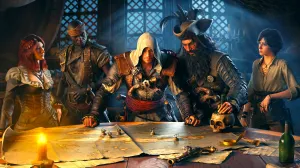
While the core story of Black Flag remains intact, Resynced expands on it with new storylines dedicated to fan-favorite characters. Blackbeard and Stede Bonnet are given deeper narratives, offering players a chance to explore their motivations and fates in greater detail. Additionally, three new officers have been introduced—each with their own unique skills and roles in the game’s progression. These additions are not just cosmetic; they affect mission outcomes, character development, and even the player’s approach to the game’s infamous pirate battles.
Some of the key features include:
- Enhanced character interactions and branching storylines
- New missions centered around the three introduced officers
- Expanded lore and backstory for Blackbeard and Stede Bonnet
- Updated ship mechanics and naval combat
The inclusion of these new characters and narratives represents a broader trend in the industry—reviving older titles with fresh content that caters to both new and returning players. It’s a strategy that has seen success with remasters of Final Fantasy VII, Grand Theft Auto III, and The Legend of Zelda: Ocarina of Time.
A Pivotal Moment for Ubisoft’s Remaster Strategy
With Black Flag Resynced set for release on Xbox Series X|S, PlayStation 5, and PC on July 9, 2026, Ubisoft is signaling a commitment to re-engaging with its legacy titles. This approach is not only about nostalgia—it’s about reinvigorating the franchise for a new generation of players who may not have experienced the original on older hardware. The game’s enhancements, including 4K resolution, ray tracing, and dynamic weather systems, make it a compelling entry point for those who have long since moved on from the original.
The success of Resynced could set a precedent for how remasters are handled in the future. If the game is well-received, it may encourage other publishers to invest in similar reworkings, ensuring that beloved classics remain relevant without losing the essence of their original design.
In a landscape where remasters and re-releases are becoming increasingly common, Assassin’s Creed Black Flag Resynced stands out as a rare example of a remake that doesn’t just polish the past—it redefines it for the future. With its technical upgrades, expanded content, and attention to the core mechanics that made the original a landmark title, Resynced has the potential to be more than just a remaster. It could be a renaissance for the franchise itself.