The scent of freshly brewed coffee and the hum of keyboards filled the air at a midtown Manhattan co-working space, where a group of investors gathered for a pitch session. Among them sat the managing partners of Benchmark Capital, a firm once defined by its reluctance to grow. But on this day, they were not just listening—they were preparing to commit hundreds of millions in new capital. This moment marked the beginning of a strategic pivot for a firm that had long resisted the trend of massive fund sizes, now stepping into the future with a bold $2 billion capital raise.
Benchmark’s New Playbook: A Shift in Strategy
Benchmark Capital, once known for its disciplined, small-scale approach, is now embracing a broader range of investment stages and larger fund sizes. The firm’s first-ever growth fund—a $1.25 billion vehicle—signals a departure from its traditional model, which had limited investments to under $425 million. This move reflects both the changing landscape of venture capital and the firm’s recognition of the evolving needs of AI-driven startups.
For years, Benchmark’s selective, early-stage strategy helped it achieve outsized returns. By taking substantial stakes—often 20%—in young companies, it avoided the pitfalls of over-investing in underperforming ventures. However, the rise of capital-intensive AI startups has forced a reevaluation. With rounds now reaching hundreds of millions, the firm’s smaller fund sizes previously restricted its ability to participate in these high-stakes opportunities.
A Diversified Portfolio in the AI Era
Despite its traditional constraints, Benchmark has not been absent from the AI revolution. It led a $75 million round in Manus, a Singapore-based AI platform that was later acquired by Meta for $2 billion, although the deal was blocked by Chinese regulators. The firm also invested in Fireworks, a fast-inference platform for open-source models, and Cursor, an AI-powered code editor that has since gained traction in the developer community.
The new growth fund will allow Benchmark to scale its bets, investing in both existing portfolio companies and new startups at various stages. According to a source close to the firm, the fund will make five to six large investments, signaling a shift from its previous focus on early-stage companies.
Fresh Faces, New Directions
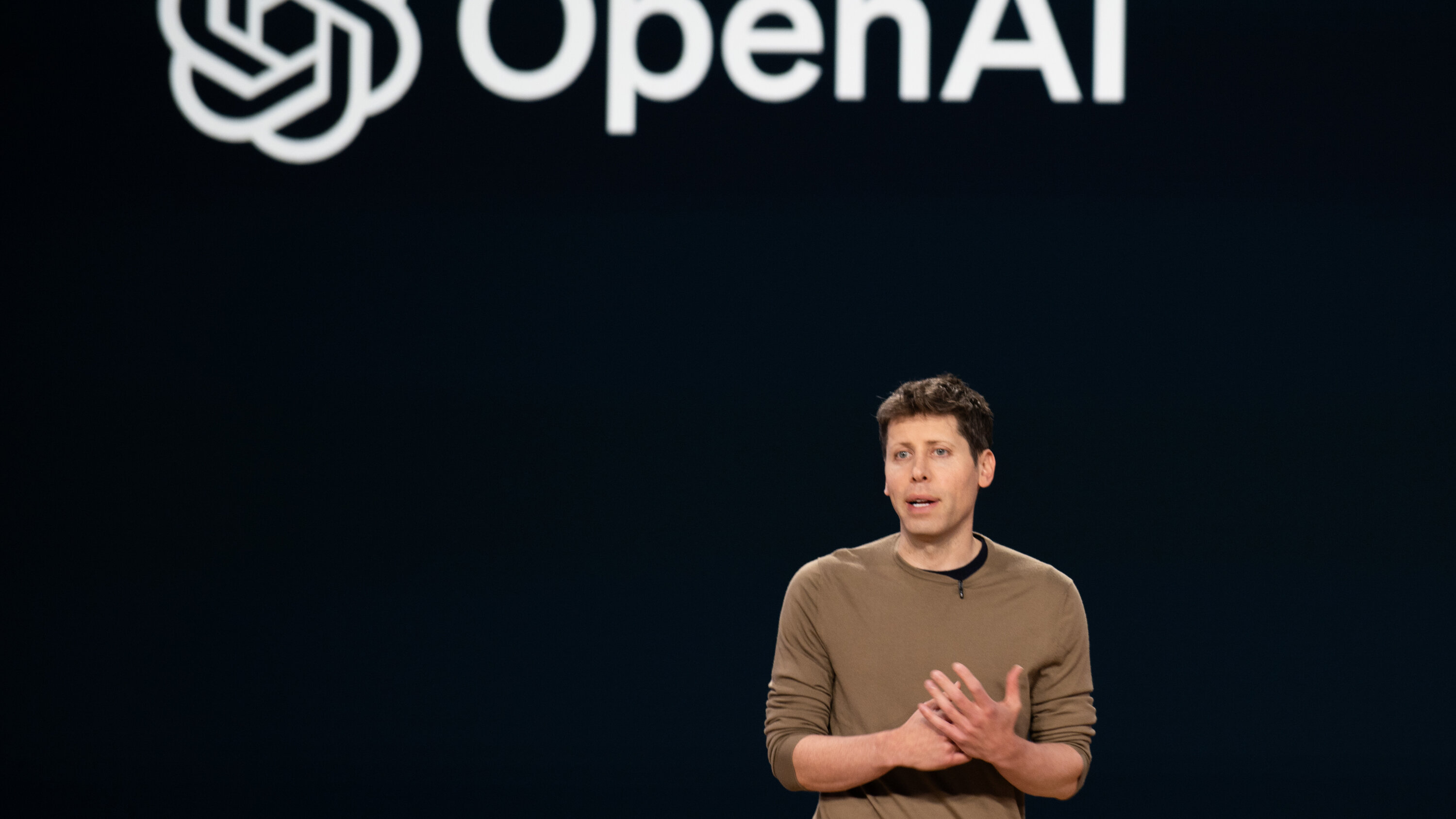
Benchmark’s leadership changes have also played a role in this transformation. General partners like Everett Randle and Jack Altman—brother of OpenAI’s CEO Sam Altman—have joined the firm, bringing fresh perspectives and a broader understanding of the AI landscape. Meanwhile, former general partners have moved on, signaling a generational shift in the firm’s approach.
This evolution may be inevitable. As the AI era unfolds, venture capital firms that once thrived on restraint are now rethinking their models. Benchmark’s latest move is not just about capital—it’s about adapting to a new reality where the stakes are higher, and the opportunities are more complex than ever before.