Cape Fear Episodes 1 & 2 Review
Cape Fear, the new Apple TV series executive-produced by Martin Scorsese and Steven Spielberg, delivers a stylish, tense reimagining of the 1991 classic. The first two episodes set the stage for a gripping psychological thriller that promises to keep viewers on edge. Based on John D. McDonald’s novel The Executioners, the show takes the familiar premise — a convicted murderer’s release from prison — and injects it with new layers of tension and nuance. The series is now available on Apple TV, and its opening episodes are a masterclass in suspense.
A Family Haunted by the Past
Convicted murderer Max Cady (Javier Bardem) is released from prison, a development that shakes the lives of his former lawyer, Anna Bowden (Amy Adams), and her family. In this version, Anna is married to Tom (Patrick Wilson), the prosecutor who once put Cady behind bars. This twist makes the threat more personal, as the Bowdens’ peaceful life is disrupted by a series of eerie and unsettling events. From strange noises in their home to a panther spotted in their backyard, the tension builds slowly but relentlessly.
Episode 1 opens with a chilling scene: Cady’s mistress commits suicide at his direction, allowing him to escape blame for a crime he committed 17 years ago. As Cady re-enters society, the Bowdens’ idyllic life is turned upside down. Their security system fails, a family of dead skunks is found in the pool, and their daughter Natalie (Lily Collias) is followed by a mysterious car. Some of these incidents are explained, while others remain shrouded in mystery, adding to the sense of paranoia and foreboding.
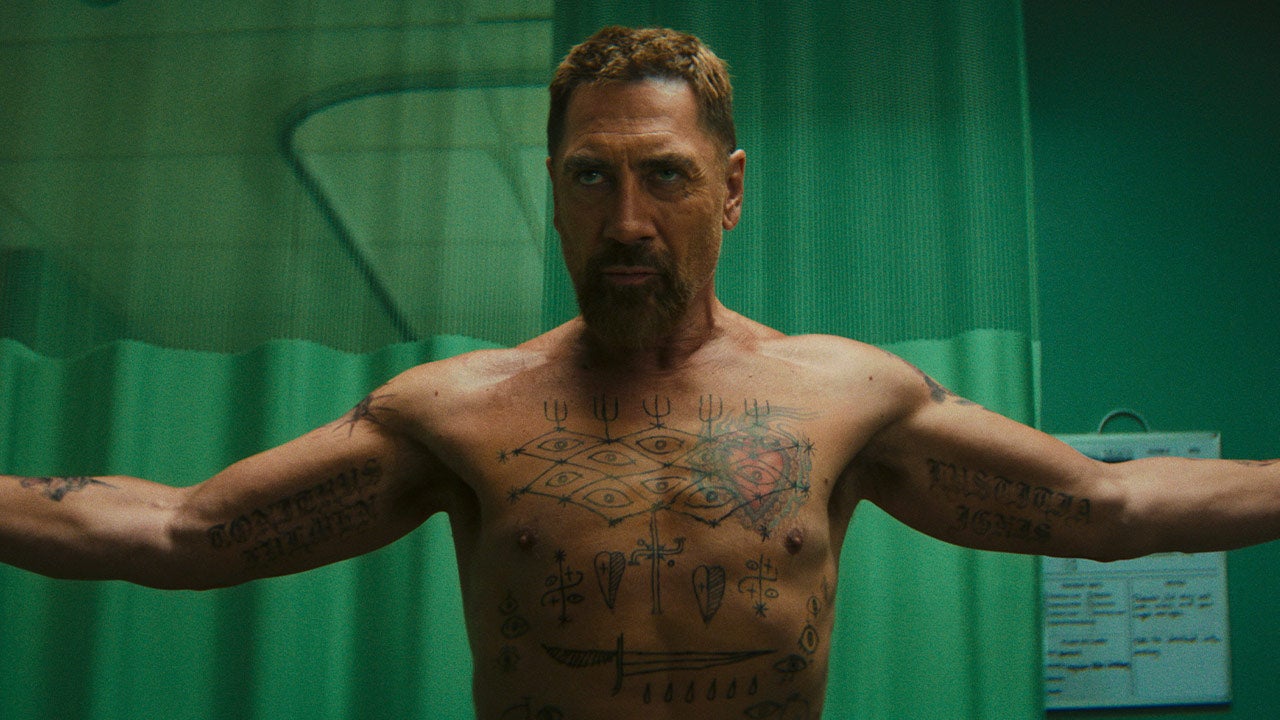
The show’s central mystery deepens when Zack (Joe Anders), Anna and Tom’s son, goes missing. The tension reaches a fever pitch during a fundraiser for Anna’s innocence advocacy group, where Cady makes a calculated appearance. Bardem’s performance is chilling and charismatic, making it easy to see why Cady could have such a magnetic effect on others. His interactions with Anna, particularly, are filled with unspoken history and quiet menace.
A Tense Dance Between Past and Present
Javier Bardem’s portrayal of Max Cady is nothing short of brilliant. He brings a slow-burning menace to the role, reminiscent of his performance in No Country for Old Men. Bardem and Adams share a compelling dynamic, with their chemistry built on glances, smirks, and unspoken tension. Their performances leave the audience guessing about the history between their characters, adding to the show’s intrigue.
Episode 2 delves into the past with a harrowing black-and-white flashback, showing Max’s time in prison and the brutal murders he committed. This sequence provides insight into his psyche and potential motivations. In the present, Zack reappears at his family’s home with a bloody foot and a missing toe, raising more questions than answers. Max is there too, and his presence hints at more terror to come.
The second episode, while slower in pacing, offers deeper character development. We learn about Max’s abusive childhood and the role his father played in shaping his violent tendencies. Anna also reconnects with her estranged father, Ben, revealing more about her past and the reasons she has kept him at arm’s length. Meanwhile, Zack’s mysterious online girlfriend adds another layer of intrigue, potentially linking to Max’s continued influence on the Bowden family.
A Thriller Rooted in Atmosphere
Cape Fear is a show that understands the power of atmosphere and suspense. The cinematography is lush and evocative, capturing the sultry, oppressive vibe of the Southern setting. The performances, while occasionally hampered by over-the-top accents, are generally strong and nuanced. The show’s tone is consistently tense, with a sense of dread that lingers in every scene.
While Cape Fear clearly pays homage to Scorsese’s 1991 film, it doesn’t aim to outdo it or reinvent the genre. Instead, it builds on the foundation of the original story, offering a fresh take that feels both familiar and new. The use of interstitial negative images and the return of the film’s iconic score add to the sense of continuity and nostalgia.
In the end, Cape Fear is a compelling, atmospheric thriller that keeps viewers on edge. With its slow-burn approach, strong performances, and rich character dynamics, it sets the stage for a season that promises to be as gripping as the original film.