Cellebrite Said It Cut Off Russia, But Russia Used Its Tools Anyway
Cellebrite, a leading provider of mobile forensic tools, claimed it had ceased selling its technology to Russian authorities. However, new evidence suggests that Russia may have continued using the company’s tools to extract data from a political opponent's iPhone. The discovery has raised concerns about the effectiveness of such restrictions and the potential for circumvention by state actors.
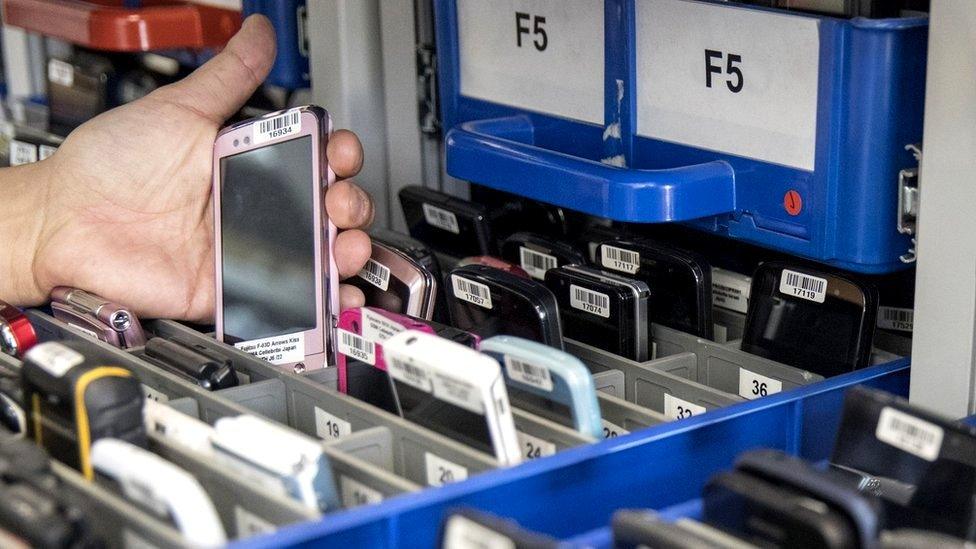
According to the findings, Russian security services reportedly used a device known as the Cellebrite UFED to unlock the phone. This device is designed to extract data from mobile devices, including encrypted information, and is widely used by law enforcement and intelligence agencies around the world. The incident highlights the challenges of controlling the use of such advanced technology once it has been deployed.
How Did Russia Bypass Cellebrite’s Restrictions?
Cellebrite's decision to stop selling to Russian authorities was made in response to the ongoing conflict in Ukraine. However, the fact that Russian entities may have continued using the tools raises questions about how these restrictions are enforced. Some experts suggest that companies may struggle to track the exact use of their products after they have been sold, especially if they are used in jurisdictions with limited transparency.
The tools in question are not only capable of extracting data but also can be used to bypass encryption and secure locks on devices. This means that even if Cellebrite stops selling to a particular government, existing devices could still be used for unauthorized access. The situation underscores the need for more robust mechanisms to ensure compliance with such restrictions.
The Implications of This Discovery
The use of Cellebrite’s tools by Russian authorities could have significant implications for digital privacy and security. It also raises concerns about the potential misuse of such technology by other governments or actors. The incident may prompt a reevaluation of how companies like Cellebrite manage their sales and the subsequent use of their products.
In response to the allegations, Cellebrite has not officially commented on the specific incident. However, the company has stated that it adheres to international regulations and ethical guidelines. The situation remains under scrutiny, and further investigations may reveal more about how the tools were used and by whom.
Key Takeaways
- Cellebrite claimed it stopped selling to Russian authorities, but there is evidence they continued using its tools.
- The Cellebrite UFED device is capable of unlocking and extracting data from encrypted devices.
- The incident highlights challenges in enforcing sales restrictions on advanced technology.
- The use of such tools by Russian authorities raises concerns about digital privacy and potential misuse.