Chinese Drivers Are Using Tiny Plastic Heads to Fool Tesla’s Autopilot Safeguards
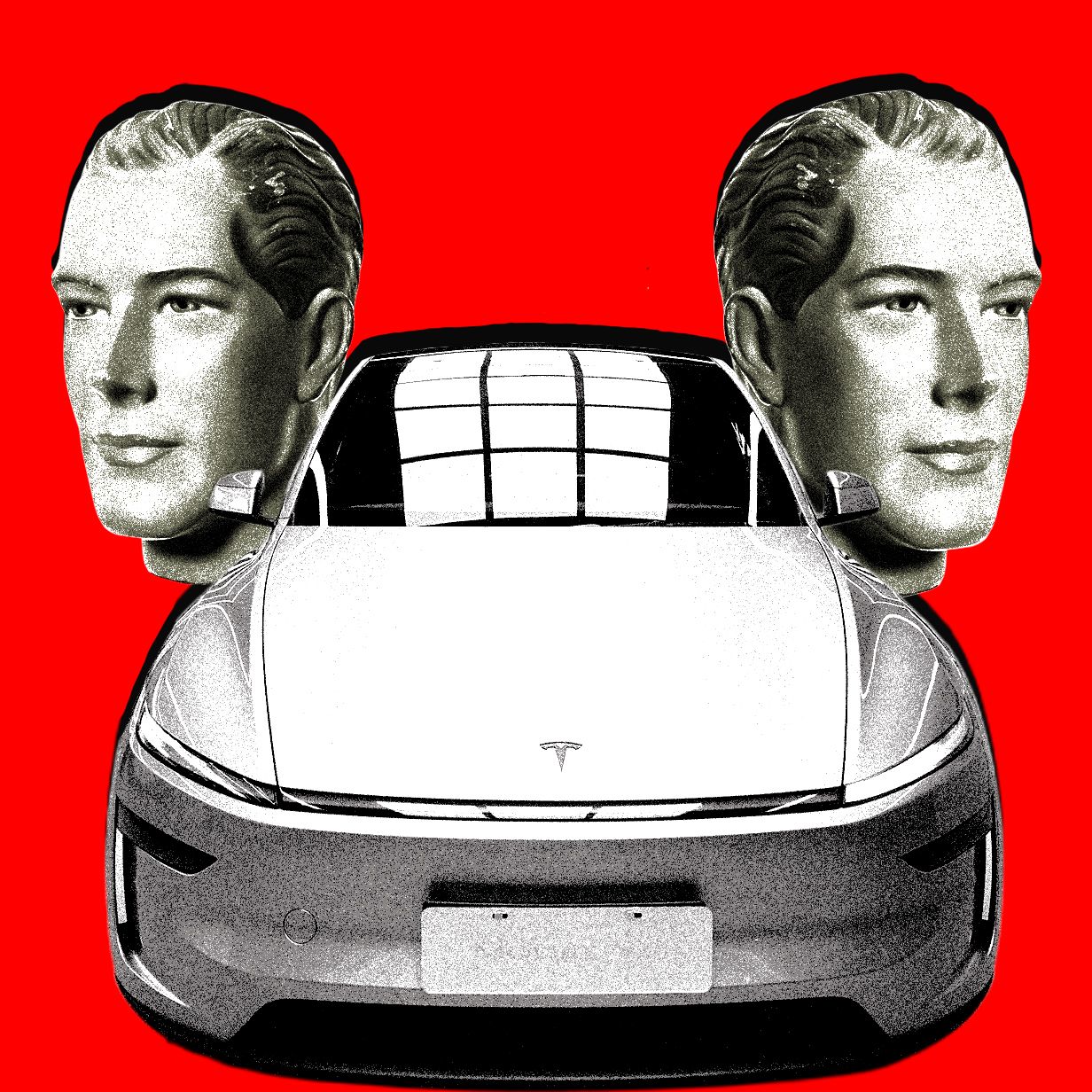
A growing number of Tesla drivers in China are exploiting weaknesses in the carmaker’s assisted-driving systems by using tiny plastic heads—often resembling celebrities—to trick the in-cabin camera into believing a human is present and attentive. The devices, which can be purchased for as little as $10 on platforms like Taobao and Xianyu, are designed to block the camera’s view of the real driver, allowing them to engage in distracted behavior while autopilot is active.
The Rise of DIY Deception
The trend has gained traction after Tesla updated its software to activate distracted-driver monitoring through the in-cabin camera. In response, drivers began experimenting with creative solutions to bypass the system. One of the most common is the use of celebrity figurines, often of actors like Dwayne Johnson, placed strategically to obscure the driver’s face. These plastic heads, sometimes no larger than a ping pong ball, are positioned to mimic the appearance of a human head while blocking the camera’s view of the real driver.
Some users use static photos of a person in front of the camera.
Others employ lenticular prints, which create the illusion of blinking when viewed from different angles.
A more advanced version uses a pocket-sized screen playing a video of a person blinking and moving their head.
A Niche Market with Dangerous Implications
Despite the ingenuity behind these workarounds, their use poses serious safety risks. The devices allow drivers to engage in distracted driving—such as using phones, eating, or even sleeping—while the car is in autopilot mode. This undermines the very purpose of Tesla’s safety measures, which are designed to ensure that drivers remain attentive and ready to take control at any moment.
On Chinese social media, the practice has drawn criticism, with users comparing it to other dangerous driver-assistance loopholes, such as using fake seatbelts or disabling the camera entirely. While these gadgets are still niche, their increasing popularity raises concerns about how easily autonomous driving systems can be manipulated.
What’s Next for Tesla and Driver Safety?
Tesla has not officially commented on the rise of these products, but the company has previously warned users that obstructing the in-cabin camera can result in the suspension of autonomous features. As these workarounds become more widespread, it is likely that Tesla will take more aggressive measures to detect and disable them, possibly through software updates.
The issue highlights a broader problem in the development of driver-assistance technologies—namely, that the systems are not yet foolproof. For now, the creative engineering of Chinese drivers continues to outpace the security measures implemented by carmakers. However, as the AI technologies behind these systems mature, it is only a matter of time before they become more resistant to such hacks.
The use of these tiny plastic heads is more than just a clever trick—it is a symptom of a larger challenge in the evolution of autonomous driving. As long as the systems rely on visual cues to determine driver engagement, there will always be a way to bypass them. The real question is whether carmakers will continue to innovate their safety protocols fast enough to keep up with the ingenuity of their users.