Colossal and the US Government Are Creating an Endangered Species ‘BioVault’
The US government is partnering with Colossal Biosciences to create a BioVault—a vast genetic repository aimed at preserving endangered species through cryopreservation and advanced sequencing techniques. This initiative, which involves collecting and storing genetic material from over 2,300 species under the Endangered Species Act, has sparked debate about the role of technology in conservation amid ongoing policy shifts that threaten species protections.
A Federal-Private Sector Collaboration with Strategic Goals
The partnership between the US Fish and Wildlife Service and Colossal Biosciences is not merely a conservation effort—it is also a strategic move in response to policy changes that have weakened the Endangered Species Act. The Trump administration has proposed amendments to the act that could roll back protections for vulnerable species and prioritize economic and national security interests. Under this new framework, the BioVault is being framed as a last-resort solution to prevent extinction, should traditional conservation methods fail.
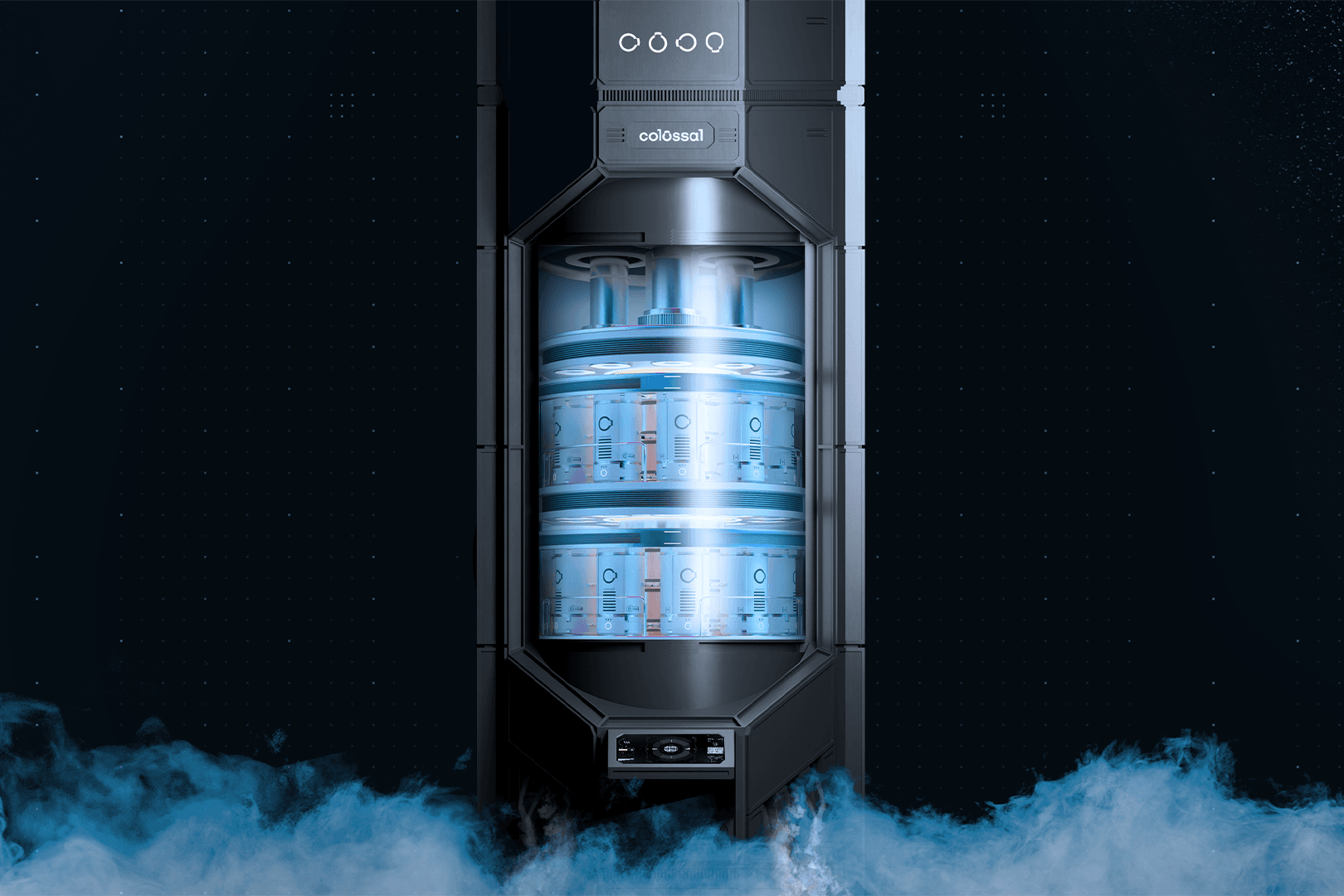
The initiative includes cryopreservation of cells, reproductive tissues, and DNA from endangered species. Colossal is providing collection kits to field partners for blood, skin, and tissue samples. Duplicate samples will be stored across the country, ensuring redundancy and accessibility for researchers.
The Promise and Pitfalls of De-Extinction
Colossal Biosciences has long positioned itself as a pioneer in de-extinction technology, having made headlines for its work on dire wolves and woolly mice. Its ambition extends to reviving species such as the dodo bird and woolly mammoth, with the goal of restoring ecosystems and addressing climate change. However, critics argue that this focus on high-tech solutions diverts attention from the urgent need to protect natural habitats.
The company’s BioVault project is valued at "tens of millions of dollars" in investment. It is also collaborating with the United Arab Emirates, which recently invested $60 million in Colossal. The genetic samples collected will be stored in Dubai’s Museum of the Future, expanding the initiative’s global reach.
Conservation or Contingency?
Environmental advocates caution that the BioVault is not a replacement for habitat protection but a contingency plan. Noah Greenwald of the Center for Biological Diversity emphasizes that conservation must prioritize preserving ecosystems rather than relying on genetic preservation alone. Without viable habitats, even the most advanced genetic techniques cannot sustain species in the wild.
The administration’s proposed changes to the Endangered Species Act could reduce protections for at-risk species. The BioVault is not a substitute for on-the-ground conservation but a "redundancy backup," according to Colossal’s CEO. Critics argue that the initiative aligns with the administration’s broader agenda to favor industry interests over ecological preservation.
The BioVault represents a significant step in the integration of biotechnology and conservation, but its success hinges on more than just the preservation of genetic material. As species continue to face existential threats from habitat loss and climate change, the BioVault could serve as a crucial tool—but only if it is complemented by policies that address the root causes of biodiversity loss. The coming years will determine whether this initiative is a pioneering leap forward or a symbolic gesture in the face of deeper environmental challenges.