A Developer Successfully Runs Original Half-Life on a 2007 Nokia N95 at 30 FPS
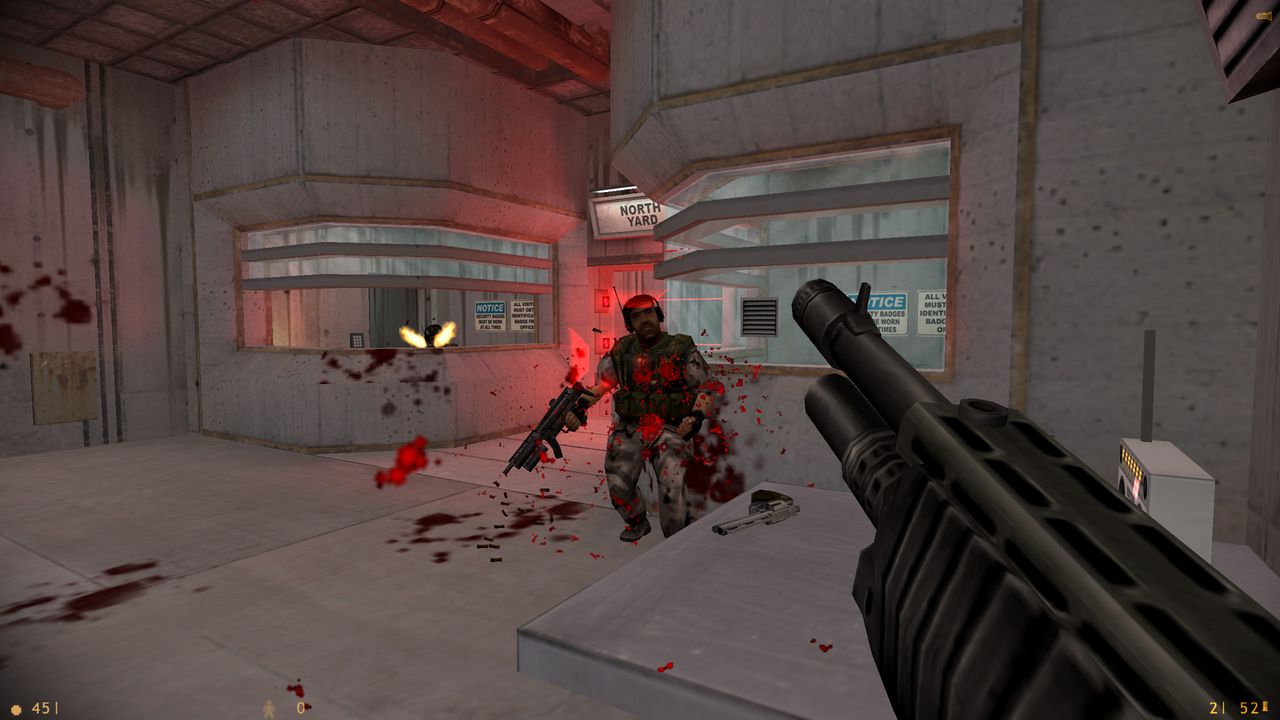
We knew when we gave the original Half-Life a 97% back in 1998 that it was something special — a game that would resonate with gamers for years to come. But even we didn’t imagine someone playing it on a Nokia phone at 30 FPS, complete with mouse and keyboard support. Technology has certainly come a long way, and developer Dante D. Leoncini has proven just how far it can go.
Recently, Leoncini shared updates on X, revealing that, after some trial and error, the classic Half-Life is now running on their Nokia N95 at a smooth 30 FPS. While there are still some moments of slowdown, they’ve already identified the cause and are working on a fix. What’s more impressive is the fact that mouse and keyboard support is functional, thanks to the phone’s Bluetooth 2.0 capabilities. Although there is some latency in the testing videos, the achievement is undeniably remarkable.
Enhancements and Future Possibilities for the Nokia Port
A few days after the initial announcement, Leoncini shared more details about the Nokia port of Half-Life. Not only have there been performance and graphical improvements, but users can now create dedicated servers and use all the game’s weapons. The developer is currently working on implementing LAN/network play, which could one day allow groups of friends to gather in a room with their Nokia N95s and play Half-Life together.
For those interested in trying it out themselves, the project is available on Leoncini’s website. It is specifically designed for Symbian S60v2, the smartphone software platform used by Nokia in the 2000s. To run the game, users need to move the original Half-Life files to a specific folder, install the engine (which can be downloaded from the site), and then launch the game. From there, a list of controls is accessible, allowing players to use the phone’s own keyboard or connect external devices via Bluetooth.
The Nokia N95: A Surprisingly Capable Device
When the Nokia N95 launched in 2007, it was considered a high-end smartphone. It featured a 332 MHz ARM11-based dual CPU, and the standard model had 64 MB of memory, with an 8 GB variant offering 128 MB. These specs, while modest by today’s standards, were quite impressive for the time. In 1998, a 300 MHz processor would have been standard for a gaming computer — think the Intel Pentium II — and memory capacities of 32 MB to 128 MB were typical. While the phone lacks a dedicated graphics card like a 3DFX Voodoo, its hardware is still capable of running a classic PC game.
Leoncini has not yet confirmed that the entire game works flawlessly. On their website, they note that Half-Life runs reasonably well, but they are still in the testing phase. Their goals now include improving performance, refining single-player AI, and enhancing graphical details. If the multiplayer mode is successfully implemented, it would be a nostalgic and unique way to experience Half-Life — with Bluetooth mice and keyboards, and a group of friends gathered around phones instead of PCs.
It’s a great reminder to revisit one of the most important shooters of all time, or to play it for the first time in one of the most unique ways possible. Imagine a LAN party filled with Nokia N95s, Bluetooth peripherals, and plenty of smiling faces — it’s a vision that feels both absurd and awe-inspiring.