Disclosure Day will be released in theaters on June 12.
Steven Spielberg is back in theaters and, for the first time in quite awhile, he brought aliens with him. So in that sense, Disclosure Day is a welcome return to the things that Spielberg does best. But for all the good questions the movie asks, can the answers be as compelling?
The prospect of a new Steven Spielberg film is always exciting. The guy is an all-time great and needs no introduction. That he’s back with a big-budget, original IP science fiction film is even more exciting, and not a thing that can be overlooked in the calculus of reviewing this movie. I will never argue against having more Spielberg, especially when it comes with so many of his most Spielberg-ian toppings.
There’s a familiarity to his filmmaking that’s maybe unfair at this stage of his career. He’s such an influential filmmaker – his style has been imitated by two generations of filmmakers by now – so it’s easy to forget that this is all stuff he invented. It’s not an imitation of the man, it’s the man himself, which is another part of this film that should not be overlooked. His camera Moves with a capital M, the backlight, the lens flares, the determined pushes into the awe-stricken faces of his characters – it’s all there and it’s all extremely Spielberg.
Disclosure Day is, in its simplest terms, a film about whether or not humankind can handle learning that aliens exist. Of course there is a shadowy government-adjacent agency that’s been tasked with covering this existence up for decades, and a group of well-intentioned regular folks take it upon themselves to reveal the conspiracy, but that’s just plot. The meat of this story is the question: Can we handle it?
That has always been Spielberg’s biggest strength where sci-fi is concerned: taking a big and fantastic premise and rooting it in real, ground-level human emotion. Because while it’s cool that E.T. can make the bikes fly, what really makes us care about him is the connection he’s got with Elliott. There’s a relatable heart at the center of all of his science fiction that really sets it apart. For Disclosure Day, that heart rests entirely with the cast.
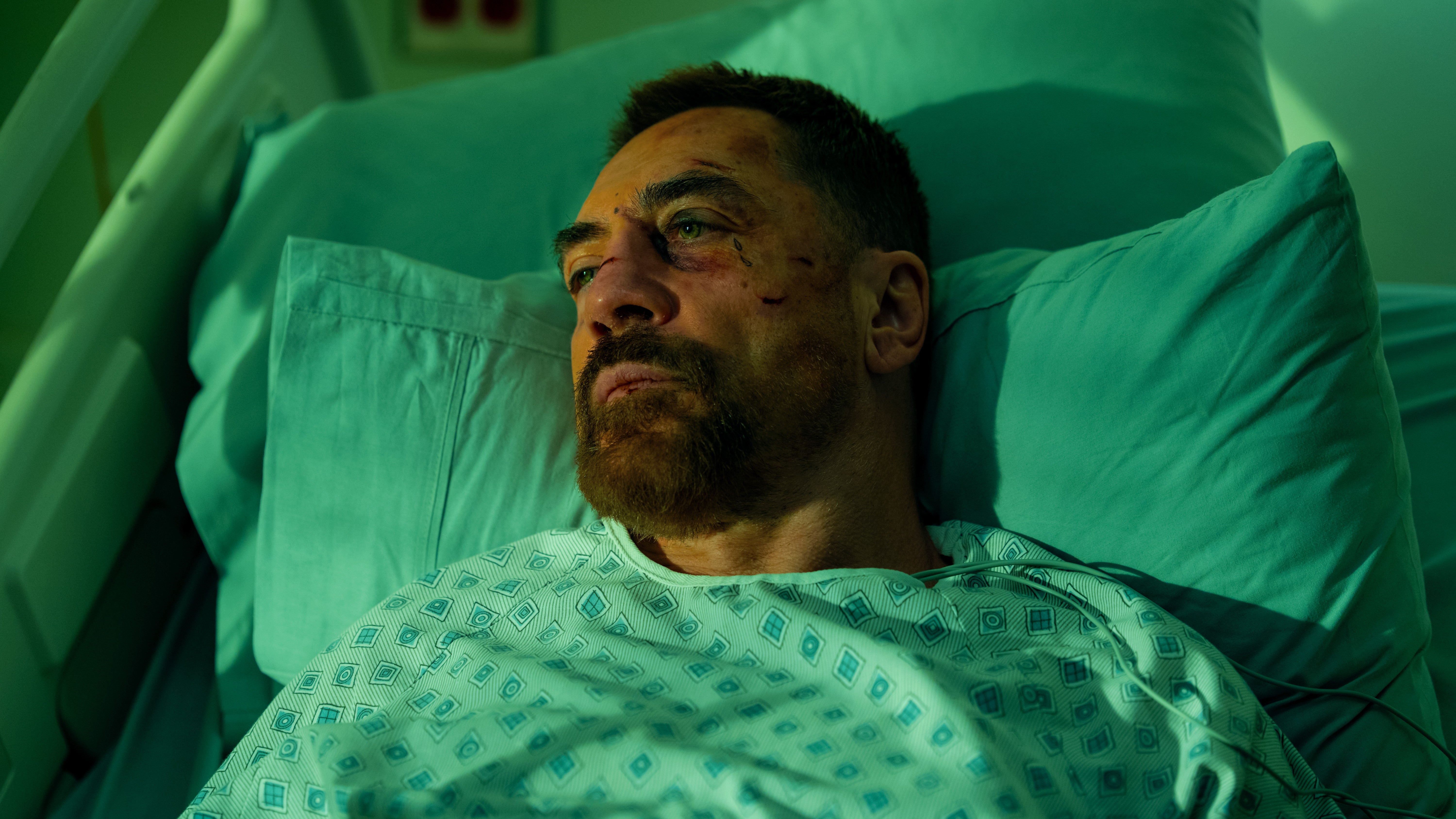
First and foremost, Emily Blunt is fantastic. She’s truly one of the best actors going and she always seems to elevate whatever movie she’s in. Disclosure Day is no different. As Margaret, the weather person in Kansas City who suddenly finds herself clicking and clacking in an alien tongue, she works through it with bold determination, visible terror and legit confusion all in equally believable turns. This is part of the Spielberg trick in science fiction – it is truly a wild thing that’s happening to this woman, and keeping her reaction to it grounded while also never mugging in any sort of “can you believe this” way truly takes subtlety and attention to detail. Without Blunt’s performance to that end, there are huge parts of this movie that just wouldn’t work. There’s a pretty spectacular oner, a long take that covers a ton of ground in a pivotal scene in her story, during which she’s panicked in one moment, confused in the next and inexplicably speaking fluent Korean a second later.
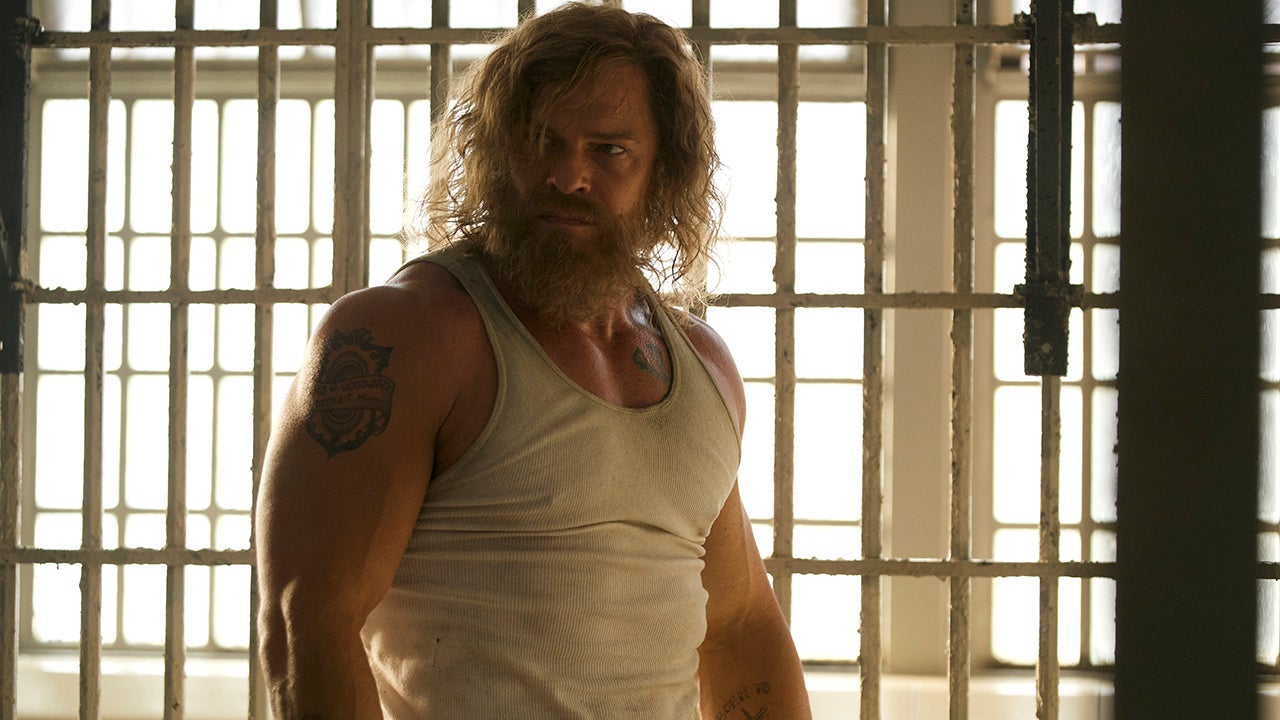
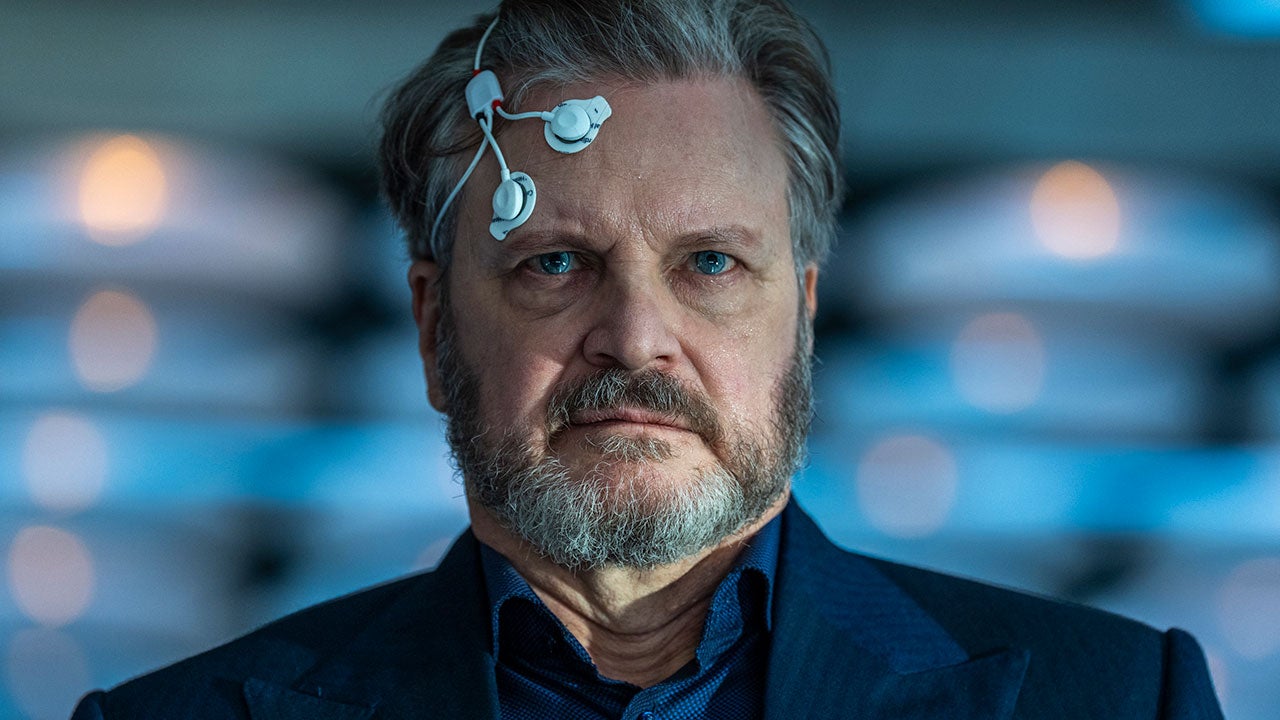
The supporting cast is just as good. It would be weird if Colman Domingo and Colin Firth weren’t good at this point, while Eve Hewson brings an outsider’s perspective to the plot and Wyatt Russell lends his aw-shucks everyman-ness to the proceedings in a way that never really outstays its welcome. Still, the second hand carrying the film is Josh O’Connor.
If O’Connor is not spectacularly memorable, he’s as solid as they come, and really shows his ability to carry a movie here. His Daniel is in over his head with only his principles to guide him; he just knows what he’s decided to do is the right thing and that’s all the motive he needs, even if he’s not equipped for action. But Daniel has a past he doesn’t feel great about and a hope that his future can be better, which is all you really need for a Spielberg-ian leading man. It seems like such a simple thing, but it’s something that’s missing in a lot of would-be tentpole movies.
Now, that’s putting myself at the risk of sounding like an old man on a porch shaking my fist at “kids these days” but, I am talking about a movie made by an 79-year-old filmmaker, so maybe that’s appropriate.
I will say, there are stretches of this film where I couldn’t help but be awed by the fact that Spielberg has still very much got it. And I can’t talk about how good the two leads are in this film without also mentioning a sequence in the center of Disclosure Day that’s truly outstanding. After escaping from the shadowy G-men trailing them, Margaret and Daniel get run into a train, narrowly escaping again. It’s about a 10-minute stretch of the movie, but what’s incredible about it is that it’s action bookended by emotion. There’s a scene where Blunt and O’Connor’s characters get to connect that’s funny and loose and plainly shows where they’re at, then there’s a nerve-wracking bit of action, then there’s an intense scene of the aftermath of that action.
The film really moves from scene to scene and is for the most part a very good time… but then it hits its third act.It’s a moment where we, as an audience, ought to be able to catch our breath, but instead Spielberg makes you live in the fear and anxiety that these two are feeling. The result is a truly thrilling sequence that ended up being the highlight of the whole movie for me. And yes, the highlight of the movie for me was right smack in the middle because it certainly wasn’t the ending. But let me back up a bit before I get there…
I have a rule, a kind of guiding principle, about the little things in movies. If there are threads I can’t help but pull on, little logic gaps or plot holes that I can’t look past, then I just don’t like the movie. Every movie has those little nagging things, but if they don’t bother me, that means I’m charmed enough by the movie overall and I like it.
Let’s say, for example, the big bad’s goons close in on our protagonists as they’re on the run and holed up at a cheap motel, but the heroes escape by just climbing out the back window and casually walking away unseen. The quibbling part of me says “No, that’s not how it works in movies. I’ve seen The Fugitive and who knows how many other movies where agents cover the whole building and there’s no way they should get away with that.” With Disclosure Day, there are a handful of moments that do exactly that and I snickered out loud at each of them as they happened.
Ultimately I got over them easily enough because, again, this is Spielberg. The film really moves from scene to scene and is for the most part a very good time… but then it hits its third act.
This is where it starts to get difficult to talk about without spoilers, but I can say the way this movie wraps up didn’t sit too well with me. The answers the film offers to the big questions it spends its runtime asking felt downright naive. It’s childishly hopeful and it had me completely checked out of the film’s climax.
The way some of the characters react didn’t feel honest, real, or in keeping with how their characters were established. Having started this review pointing out Spielberg’s specific proclivity for keeping characters grounded in fantastic situations, losing that asset here in the film’s finale really stood out to me. But it shows what a sort of delicate balance it is, and the risk inherent in making a sci-fi movie in the first place. Yes, it’s a movie about aliens, but also yes, things need to feel real and honest. Spielberg is great at sci-fi, but in large part because there’s always an emotional element to the story that makes his movies about aliens realistic. And that’s where this movie stumbles.
Every character has a clean and clear relationship to the idea of Disclosure Day. Different schools of thought as to how we would accept the truth of aliens are represented in thoughtful ways via these characters, which makes the naivete of the ending a little frustrating. There’s an open-to-interpretation aspect to the film’s finale as well, though, that can be a bit of a rorschach test. To a certain extent, you’ll get to see what you want to see in the film’s conclusion. So maybe my reaction to it says more about me and how I feel about the current state of our world than it does the movie itself. That’s the thing I’ll be thinking about because of this movie. Maybe I don’t agree with how the film feels about humanity’s ability to deal with a knowledge drop like this, but none of the characters on screen agree with each other either, so why should I be any different? If that’s the conversation this movie wants to have, coupled with a dose of Spielberg-ian positivity and hope, wrapped up in an original idea that’s not a spin-off, sequel or franchise, I’m not going to complain about it too much.