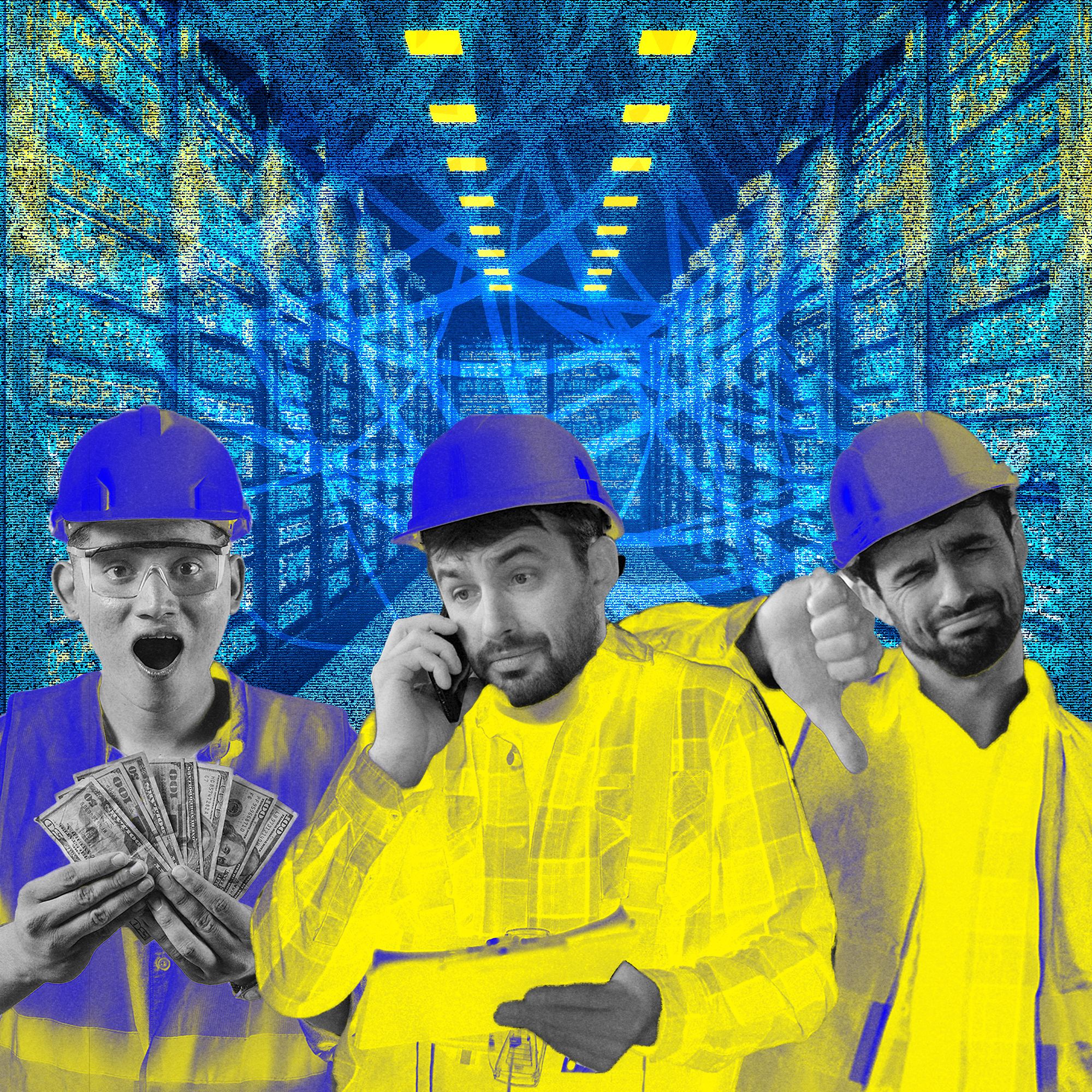
Some Electricians Think Building Data Centers Is for Sellouts
The global data center construction boom has sparked a quiet but growing divide among electricians, many of whom are questioning whether their labor is fueling a system they no longer trust. As tech giants like Amazon, Google, and Meta invest billions into infrastructure that powers the AI economy, the people wiring these facilities are facing a moral reckoning. Some see the work as a necessary evil in a broken system, while others are actively resisting, framing the buildout as a betrayal of the working class.
The Ethical Dilemma of Wires and Wealth
For electricians, the line between economic survival and ethical compromise is increasingly blurred. While the construction of data centers offers high-paying jobs and career advancement, it also ties them to industries that are increasingly scrutinized for their environmental and social impact. Workers in the International Brotherhood of Electrical Workers (IBEW) have long prided themselves on their role in shaping modern infrastructure, but the scale of today’s data center projects has introduced a new layer of complexity.
Some IBEW members reject data center work altogether, citing concerns about corporate greed and the environmental toll of these facilities. Others see it as a strategic move, believing that being part of the infrastructure that powers the future is preferable to being left behind. A few choose to stay neutral, focusing on the union's role in ensuring fair labor practices, regardless of the project.
These perspectives reflect a broader industry trend: the data center boom is not just a technological phenomenon, but a deeply human one. For electricians, it’s a question of whether they are building the future or enabling the exploitation of the present.
Labor as a Political Act
Electricians working on data centers are increasingly aware that their labor has political weight. In some communities, the construction of a new data center can lead to increased traffic, noise, and environmental degradation, often with minimal community input. For workers like Jesse, who has spoken out about the negative impacts of these projects on local populations, the choice to take the job is not just economic—it’s ideological.
"Building a data center is like building a prison," one electrician told WIRED. "It's just a different kind of incarceration, one that traps the world in a cycle of surveillance and control."
This sentiment is echoed by others who feel that the data center boom is not a neutral economic force but a symptom of deeper systemic issues. With the global push toward AI and cloud computing, the demand for these facilities is growing, but the workers who build them are beginning to ask whether the cost is too high.
The Future of Labor in a Tech-Driven World
As the data center boom continues, the question is not just whether electricians will take the jobs, but whether they will continue to see them as legitimate. The rise of AI and the push toward automation have already begun to reshape the labor market, and for some, the work on these projects feels like an early warning sign.
- The fear of job displacement is real, as AI and machine learning systems begin to automate even the most complex tasks.
- The environmental costs of data centers—massive energy consumption, water use, and carbon emissions—are becoming harder to ignore.
- Some workers are pushing for stronger union protections, arguing that the power of Big Tech should not overshadow the rights of those who build its infrastructure.
The electricians' dilemma is emblematic of a larger conversation about labor in the digital age. Whether they see themselves as complicit in the rise of AI or as necessary participants in the future, the lines they are drawing today will shape the industry tomorrow.