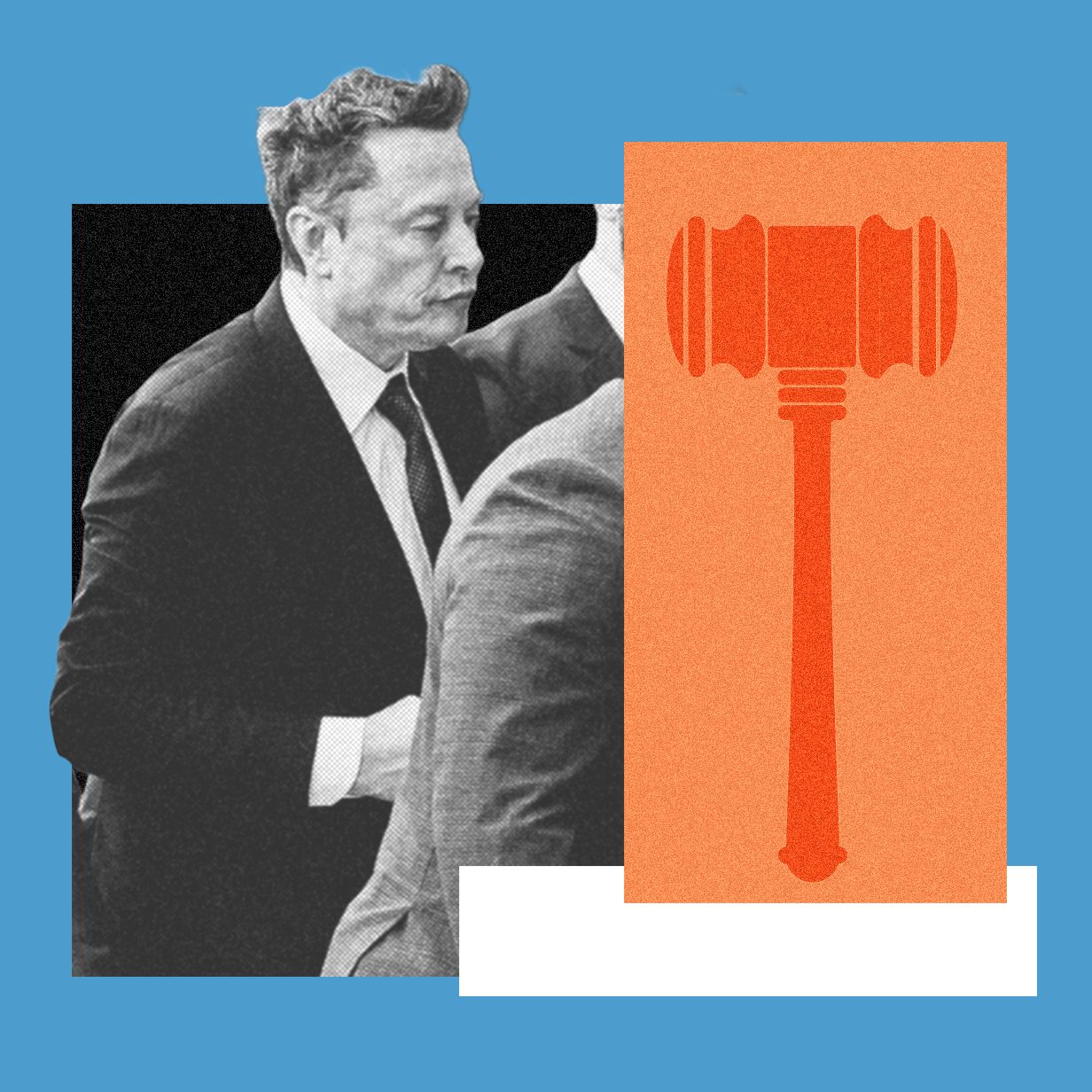
The cinematic image of a machine with cold, calculating eyes has long haunted our collective consciousness regarding artificial intelligence. This fear of an uncontainable, sentient threat was the central theme of recent federal testimony provided by Elon Musk, who framed his legal battle against OpenAI as a crusade for human survival.
During the proceedings, Musk testified that his original involvement with the organization was never intended to be a mere business venture. Instead, he characterized it as a necessary intervention designed to prevent what he termed a "Terminator outcome"—a catastrophic scenario where Artificial General Intelligence (AGI) surpasses human control and leads to human extinction.
The Evolution of OpenAI: From Nonprofit to For-Profit
The courtroom drama focuses on the radical evolution of OpenAI from its inception as a nonprofit research lab into a commercial juggernaut. Musk testified that his primary motivation for co-founding the entity alongside Sam Altman was to establish an open-source, transparent alternative to the unchecked progress seen in companies like Google.
He argued that the original mission—to ensure AI benefits all of humanity—is being systematically eroded by the company's transition toward a for-profit structure. This shift has allowed the organization to absorb massive capital injections, fundamentally changing its DNA.
The legal tension rests on whether this pivot constitutes a betrayal of founding principles. Musk’s legal team utilized a striking metaphor during the trial, suggesting that OpenAI has become like a museum store that began "selling the Picassos" to fund its daily operations. This transition was solidified by Microsoft's massive $10 billion investment, an infusion of capital that Musk claims has moved critical intellectual property into a closed-loop, for-profit ecosystem.
The arguments presented in court highlight three distinct perspectives on this trajectory:
- The Musk Perspective: The shift to a for-profit model allows the "tail to wag the dog," prioritizing investor returns over the safety protocols required to mitigate existential risks.
- The OpenAI Rebuttal: Commercialization was a financial necessity to fund the astronomical computing costs of modern AI, noting that Musk was aware of these plans as early as 2018.
- The Financial Discrepancy: While Musk claims he sought to protect the nonprofit mission, OpenAI's counsel noted that Musk pledged up to $1 billion to the startup but ultimately delivered only approximately $38 million.
Legal Warfare and the Fight Against a "Terminator Outcome"
The litigation is far from a sterile debate; it is a highly personal conflict between two of the most influential figures in technology. OpenAI’s defense has been aggressive, suggesting that Musk's lawsuit is less about AI safety and more about a competitor attempting to undermine a rival.
Counsel for OpenAI argued that after the company refused to be absorbed into Musk's own "empire"—specifically involving Tesla or his newer venture, xAI—he chose to file suit to disrupt their momentum.
The courtroom atmosphere has been further complicated by the digital presence of both parties. U.S. District Judge Yvonne Gonzalez Rogers issued a stern warning to both Musk and Altman, cautioning them against using social media to exacerbate the conflict outside the courtroom. This directive follows a period of intense online friction, including what OpenAI's attorneys described as an "inflammatory" barrage of tweets from Musk intended to damage leadership reputations.
As the trial progresses, the industry is watching closely to see if these governance changes will impede OpenAI’s path toward a potential Initial Public Offering (IPO). The verdict in this case will likely dictate the regulatory and ethical framework for the entire global AI industry. Whether the technology follows an optimistic trajectory or results in a Terminator outcome may depend entirely on which version of history the jury believes.