The AAA Game Industry Faces a Tidal Wave, Says Epic CEO Tim Sweeney
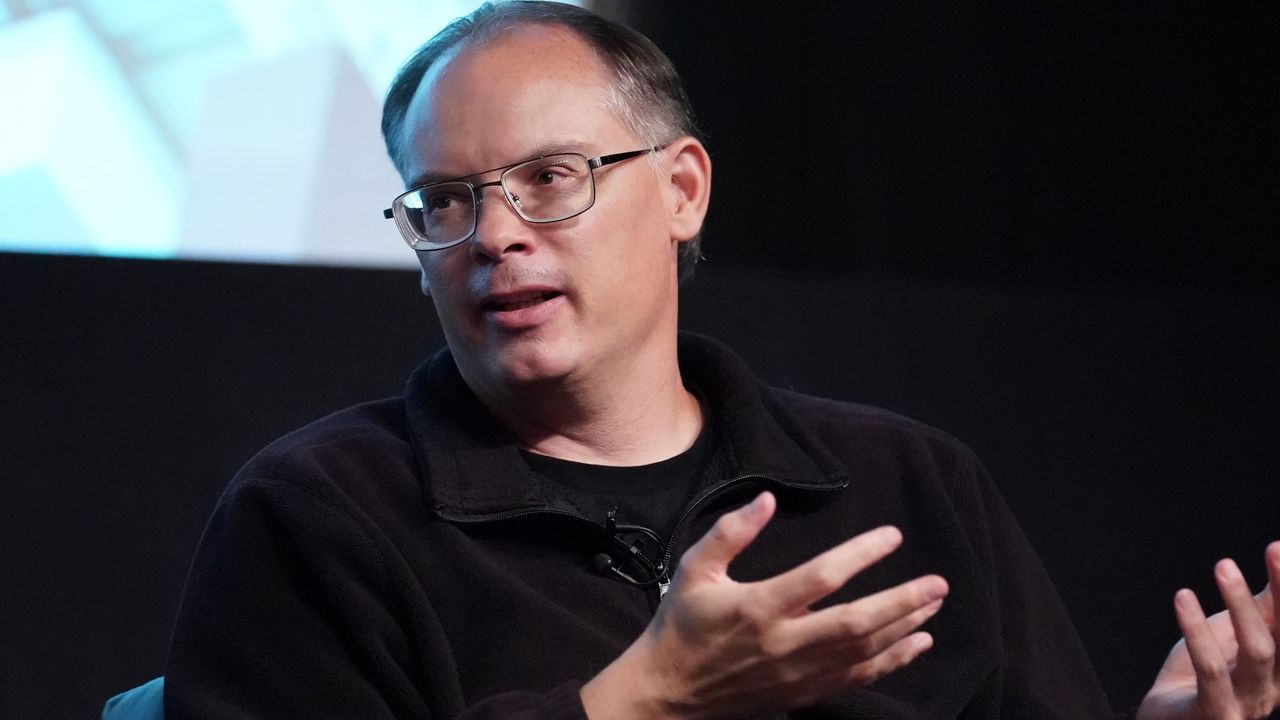
"It feels to many like a tidal wave is sweeping over the AAA game business," said Tim Sweeney, CEO of Epic Games, during his closing remarks at today's Unreal Fest event. The event showcased new features and updates to Unreal Engine and Fortnite, but the focus was on the broader challenges facing the games industry. Sweeney described the current moment as a "time of both crisis and opportunity," highlighting the growing pains of the sector despite increased player engagement and the return of Fortnite's popularity.
Sweeney noted that while gamers are playing more games than ever before, a significant portion of major game releases are underperforming. He explained that many AAA games are now facing a stark financial imbalance: development costs often reach hundreds of millions of dollars, while revenue can be as low as tens of millions. As development costs continue to rise, the pressure on developers is intensifying. This growing disparity is leading many to believe that the AAA game industry is at a crossroads.
The Challenge of Competing with Centralized Platforms
Sweeney's concerns align with what many developers have shared at recent events like the Game Developer's Conference. Gamers increasingly seek social online experiences, but breaking into this space is difficult. Large platforms like Roblox have a built-in audience, and players tend to stick with games where their friends are already playing. This trend favors platforms that offer in-game purchases and long-term engagement, making it harder for new or smaller developers to compete.
"One view of the future is that Roblox grows and eats gaming," Sweeney said. He pointed out that while Roblox has a massive user base of 450 million, it operates as a centralized platform with a single gatekeeper. This structure limits content diversity and takes more than 70% of revenue, posing a significant challenge for game developers who seek more control and flexibility.
Epic's Vision for the Future of Game Development
Despite these challenges, Sweeney remains optimistic about the future of game development. He believes the industry can thrive if developers embrace Epic's metaverse vision, which aims to create a network of interconnected games using the Unreal Engine. This vision includes linking up content, communities, and economies across different titles, creating a more socially connected gaming experience.
Sweeney emphasized the need for better game design and greater efficiency in development. He believes the future lies in creating connected games where playerbases and economies are linked, making each game a part of a global ecosystem. This approach would allow players to see games not as isolated products but as part of a broader, interoperable experience.
Unreal Engine 6: A Focus on Efficiency and Interoperability
Epic is positioning the upcoming Unreal Engine 6 as a major step forward in this direction. The engine will feature generative AI integration, aimed at improving development efficiency. Developers using Unreal Engine will have the flexibility to release games as standalone executables or integrate them into Fortnite or other Unreal Engine products, offering greater platform freedom.
Compared to Roblox, Epic's current ecosystem is more developer-friendly. The Unreal Engine is free to use, and Epic only collects a 5% royalty when a game surpasses $1 million in revenue. The Epic Games Store offers similar terms, with a 12% cut after the first $1 million. This model contrasts sharply with Roblox, which takes a larger share of revenue and enforces strict platform rules.
A New Paradigm for Gaming
Sweeney has also been a vocal critic of Steam's 20-30% cut and its requirement that games use its payment processor for in-game purchases. This has been a point of contention, especially in his public disputes with Apple over payment gateways. Developers using the Epic Games Store have the option to bypass its fees by using their own payment processing solutions, giving them more control over their revenue streams.
Epic's recent collaboration with Disney further illustrates its push toward interoperability. The Star Wars toolkit, now available in Unreal Editor for Fortnite, allows developers to use Star Wars characters and environments in their creations, showcasing the potential for shared universes and cross-platform content.
The Future of Traditional AAA Games
While a global ecosystem of social experiences, where characters from different universes can coexist, may be appealing, it raises questions about the future of traditional AAA games. Titles like The Witcher 4, which were showcased at the last Unreal Fest, may not fit into this new model. Could the rising costs of development force even these big RPGs to shift toward social interaction and brand partnerships?
Sweeney does not seem to believe this is the case. Epic Games has supported Alan Wake 2 and a new game by Fumito Ueda, indicating a continued interest in traditional storytelling and single-player experiences. However, based on today's address, Epic is not necessarily positioning these games as the source of its next billions in revenue. Instead, the company is looking toward a more interconnected, social gaming future.
Whether this vision will succeed remains to be seen, but one thing is clear: the AAA game industry is at a turning point, and the tidal wave Sweeney described may reshape the landscape of game development forever.