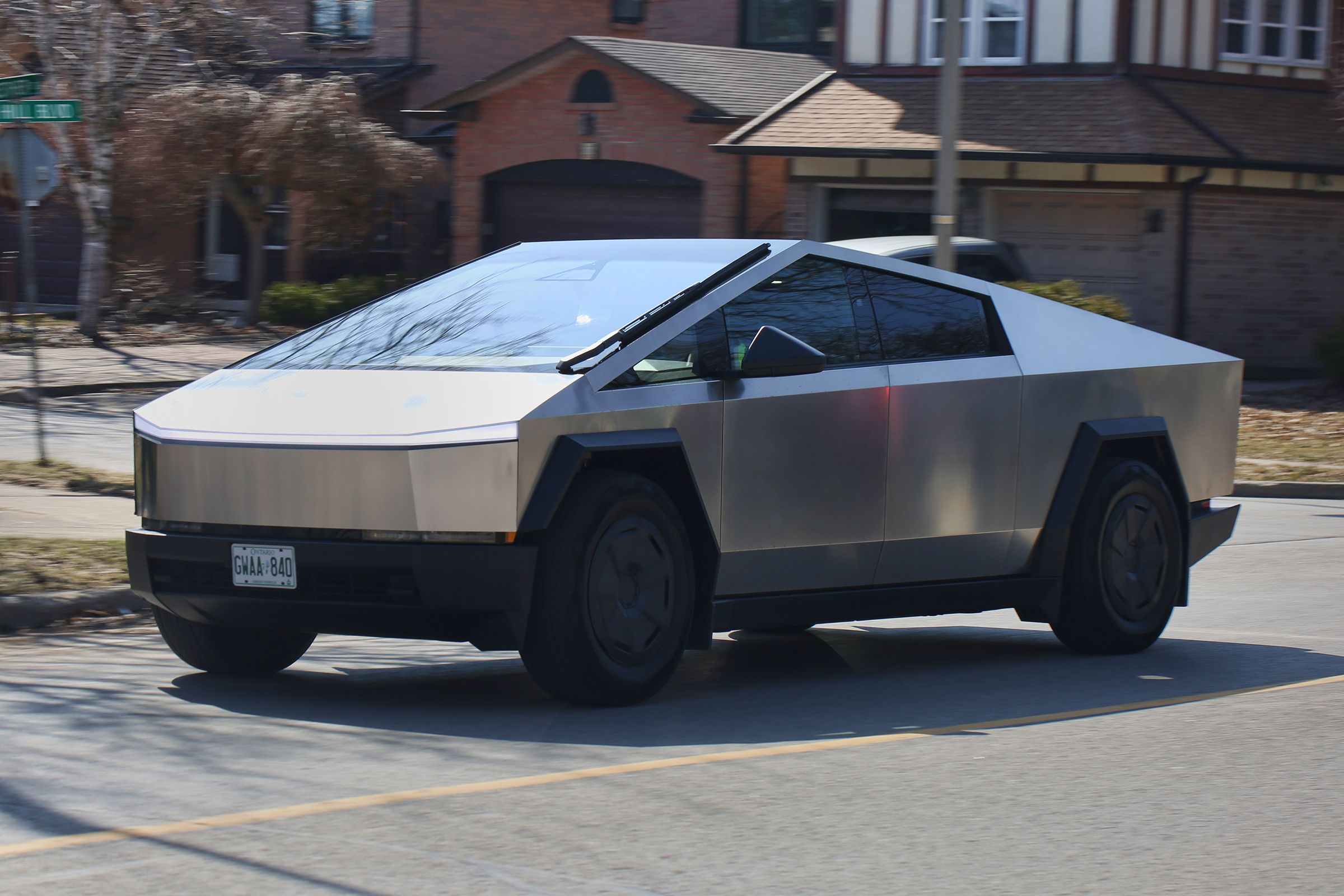
Imagine driving through a quiet morning when a sudden metallic crack echoes through the cabin, followed by a sharp clatter as a component detaches from your vehicle mid-traffic. This isn't a scene from a sci-fi movie; it is becoming a reality for some owners following reports that Tesla’s latest recall involves wheels potentially falling off Cybertrucks.
The Scope of the Tesla Cybertruck Recall
Tesla has officially initiated its 11th formal recall, specifically targeting the Rear Wheel Drive (RWD) configuration of the Cybertruck. The National Highway Traffic Safety Administration (NHTSA) flagged the defect after discovering that improper fastening procedures led to structural weaknesses in the brake rotor assembly points.
The investigation revealed that the root cause was a manufacturing error involving incorrect lubrication. By applying inadequate friction-modifying grease during production, Tesla inadvertently allowed wheel studs to loosen under standard road stress over time.
Key Details of the Recall:
- Affected Models: RWD variants produced between late 2023 and early 2024.
- Root Cause: Incorrect lubrication specifications causing accelerated thread wear on lug nuts.
- Risk Level: Moderate, depending heavily on vehicle age and driving conditions.
Engineering Failures and Manufacturing Oversight
This latest issue highlights how a single error in materials engineering can cascade into a major safety liability. According to reports from automotive analysts, internal memos suggest a disconnect between Tesla's original design intent and the actual execution on the production line.
While engineers may have prioritized cost-efficiency regarding brake rotor mounting, they appear to have overlooked the long-term durability of the wheel attachment points. This tension between rapid innovation and rigorous quality assurance is a recurring theme for the EV giant.
Jeremy White, senior innovation editor at WIRED, noted that this incident reflects a "very specific materials problem" rather than a total breakdown in production scale. With only 173 trucks currently impacted, some critics argue this is an isolated subset of vehicles affected by miscommunication between R&D and the assembly lines.
Maintaining Consumer Trust Amidst Recalls
The frequency of these updates raises concerns regarding Tesla's quality control. This follows previous issues, such as the early 2023 recall involving flawed structural adhesive. For many owners, the concern isn't just about the inconvenience of a service visit; it is the psychological stress of potential safety risks while driving a high-profile vehicle.
Elon Musk has publicly acknowledged that "small production changes" can have significant downstream impacts. This level of transparency marks an evolving corporate stance toward accountability, contrasting with the skepticism often directed at Tesla’s rapid iteration cycles.
The Path Forward for Cybertruck Owners
To resolve the issue, Tesla has promised a free replacement of wheel hubs, rotors, and fasteners for all affected vehicles, framing the move as a "preventative measure."
As the company continues to scale production, the industry will be watching closely to see if Tesla can balance its ambitious design goals with foundational engineering precision. For now, owners of affected RWD models should schedule inspections immediately while regulators continue to monitor NHTSA datasets for further trends.