Fortnite Creator Reveals Generative AI's Role in Concept Art and Design
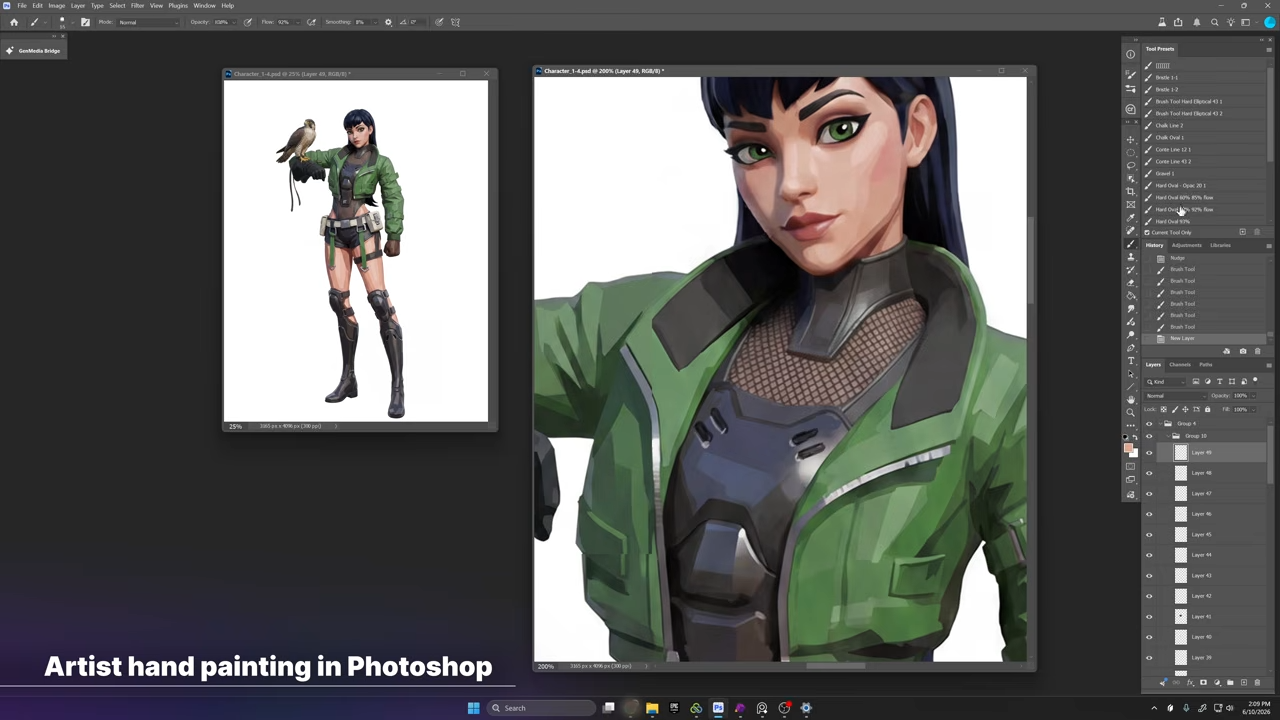
Fortnite maker Epic Games has provided a rare look at its creative process for designing new character skins and in-game locations, revealing how generative AI plays a role in certain stages of development. In a video published to the Unreal Engine YouTube channel, the company shows how a new Fortnite character is initially designed by hand and then refined using AI prompts to resemble a 3D model. This process is part of the concept art phase, long before any assets are brought into the game.
The video clearly separates the ideation stage from the AI-assisted revisions that follow. While AI can generate a range of visuals quickly, it’s not the main driver of the design — it simply helps artists move faster through the creative process. An Epic Games staff member explains, “The design is king, AI can generate generic stuff all day, but that's not what we're doing here. It just skips ahead in the timeline so [the artist] can focus on honing in on the design and crafting it exactly how he wants it to be.”
Fans of Fortnite have long speculated about the use of AI in creating in-game assets, especially after seeing images like a poster featuring a nine-toed character in a hammock. While Epic has previously been quiet on the topic, this video confirms that AI is now part of its design workflow — even if it’s not used to create characters from scratch. The video also highlights that AI can introduce unexpected elements or errors, which are then corrected by human artists in later design passes.
When it comes to in-game locations, the process is similar. Artists begin with hand-drawn sketches in Photoshop, then recreate these in 3D using Blender, a popular 3D modeling tool. The images are then adapted using AI prompts to explore different variations, such as day and night versions of the same scene or scenes with added destruction from a meteor strike. Epic emphasizes that artists continue to refine and polish at every stage, but now have more opportunities to experiment and revise.
"AI allows teams to iterate faster, giving artists more chances to explore different directions," Epic says. "Throughout the process, there are continuous reviews to ensure everything meets our high standards before it makes it into our games. Artists are also careful to respect originality and track the source of their work."
Epic Games has been experimenting with AI technology for some time, most notably in its use of generative speech to recreate James Earl Jones’ portrayal of Darth Vader. Despite having the rights and approval of Disney, the inclusion of the character sparked controversy, as players quickly began using the AI-generated version to make Vader say lines that aligned with the dark side of the Force.
Last year, Epic Games CEO Tim Sweeney suggested that Valve should remove the AI Generated Content Disclosure label from Steam, arguing that AI will become so common in game development that such labels will soon be irrelevant. “Why stop at AI use?” Sweeney wrote on social media. “We could have mandatory disclosures for what shampoo brand the developer uses. Customers deserve to know lol.”
Sweeney continued, “The AI tag is relevant to art exhibits for authorship disclosure and to digital content licensing marketplaces where buyers need to understand the rights situation. It makes no sense for game stores, where AI will be involved in nearly all future production.”