Modular Laptop Maker Framework Forced to Push SSD Prices Even Higher, But Says DDR5 Is 'Stable'
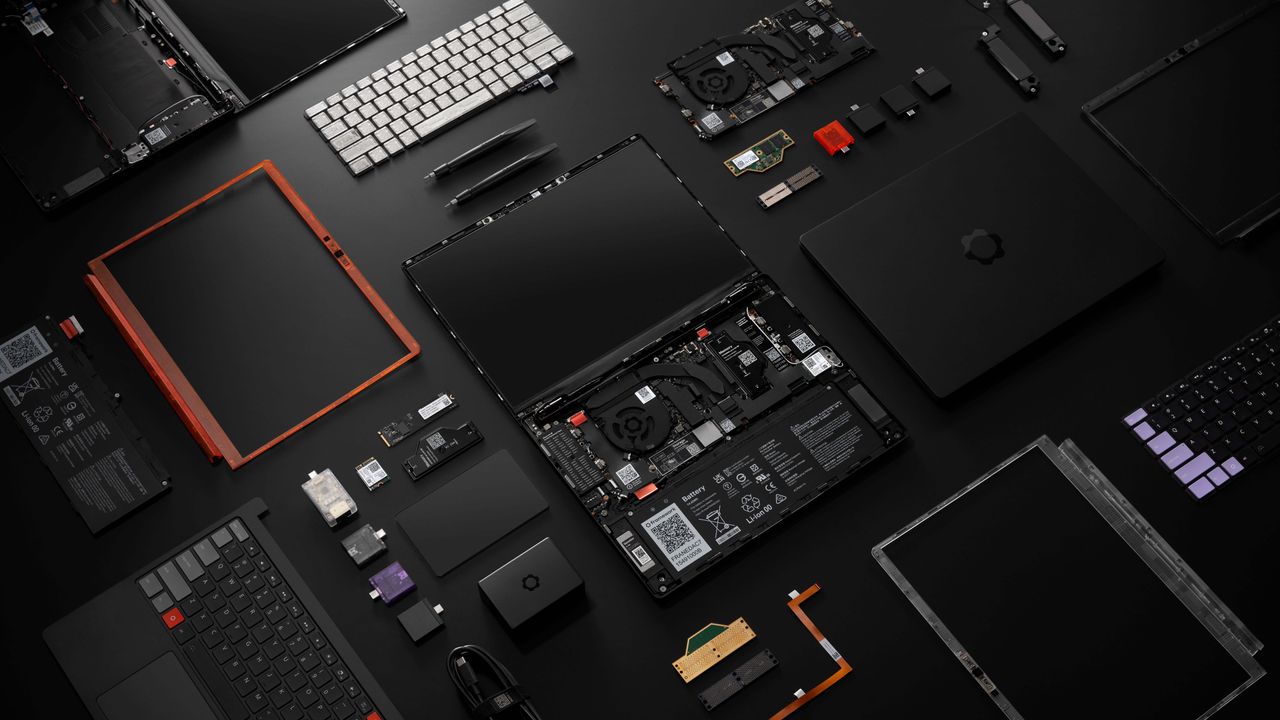
Modular laptop maker Framework has announced another round of price updates, and the news isn’t great for users looking to upgrade their storage. While the company notes that DDR5 memory prices have remained “stable” this month, SSD costs are climbing significantly. This raises an important question: Have RAM prices finally reached their peak?
In a recent blog post, Framework explained that the most significant change this month is related to storage. The company says it has used up most of its inventory of drives purchased earlier at lower costs. Now, the new costs for sourcing these drives are “substantially higher,” forcing the company to increase prices. While the exact percentage of the increase isn’t specified, current pricing for Sandisk SN7100 drives bundled with the Framework 13 laptop provides a reference point:
- 500 GB SSD: $135
- 1 TB SSD: $265
- 2 TB SSD: $505
The situation with storage is so dire that Framework has decided to pause production of its Storage Expansion Cards. The company revealed that NAND flash costs have risen dramatically, with prices now being “many times higher” than the original cost. As a result, Framework is halting the production of its 250 GB Storage Expansion Card for now. It will continue to sell any remaining inventory it has on hand and hopes to resume production once it finds alternative NAND sources.
Meanwhile, the Framework Desktop has also seen a price increase. The 128 GB version now starts at $3,449, and that’s before adding any storage. The DDR5 situation, however, remains relatively stable. A single 8 GB DDR5-5600 stick currently costs $160, while two of them would set you back $320, or a 16 GB stick for $235.
Despite the stability in DDR5 prices this month, Framework is cautious about reading too much into it. The company says it has kept DDR5 pricing the same as last month, but it’s too early to determine if the memory crisis is over. “We’d want to see that remain the case for many more months to come before assuming that the price rises are over,” the company noted. For now, users are left with higher storage costs, but DDR5 prices remain a glimmer of hope in an otherwise bleak market.