He made your free video player run smoothly. Now he’s doing that for robots.
A drone hovers above a crowded city square, its camera capturing real-time footage of a protest unfolding below. The footage is streamed to a control center miles away, where a technician adjusts the drone’s altitude with a precision that would be impossible to achieve manually. This is not a hypothetical scenario — it’s the reality of physical AI in action, and at the center of it all is a piece of software that has, for years, quietly made video playback on computers everywhere seamless: VLC Media Player.
The Vision Behind Kyber
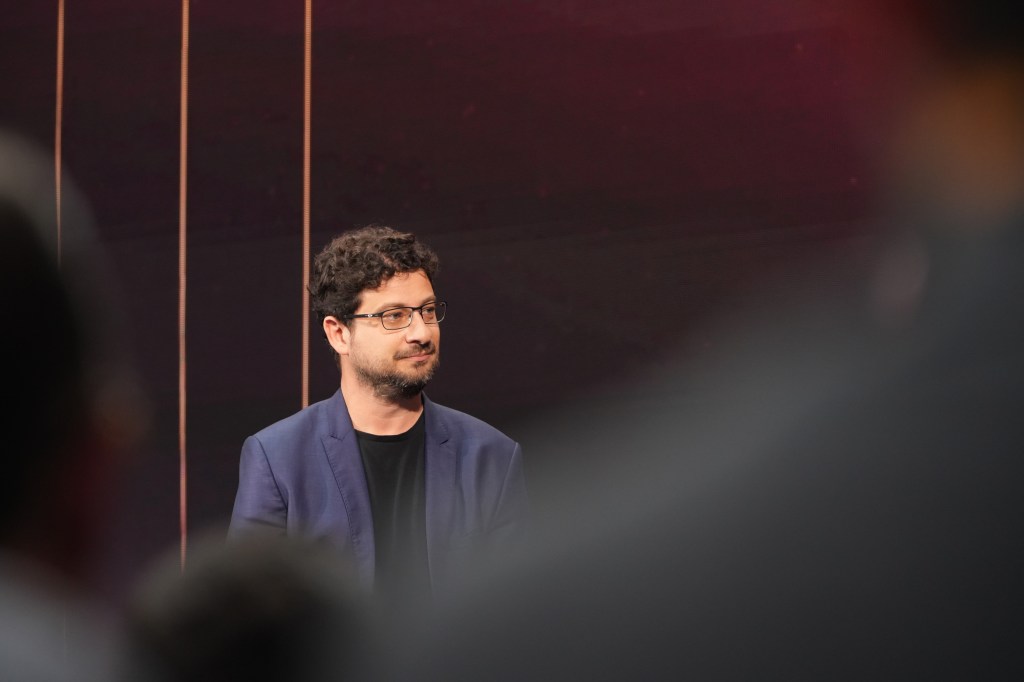
Jean-Baptiste Kempf, the lead developer of VLC Media Player, is now steering his focus toward robots and drones through his startup Kyber. The company is building an infrastructure layer that enables real-time control of remote devices, ensuring that video, audio, sensor data, and control inputs are synchronized with minimal latency. This is a critical advancement for physical AI, where the margin for error is measured in milliseconds.
Kempf’s inspiration comes from the same principles that made VLC a global success — efficient, low-latency data handling and open-source collaboration. Now, those same techniques are being applied to manage hundreds of millions of robots and drones in the near future. "Every millisecond matters," Kempf said, drawing a direct analogy to the precision required in real-time video streaming.
A Scalable Solution for the Future
Kyber's unique value lies in its ability to scale from managing a handful of devices to handling millions of them. This is a major challenge for current systems, which are often designed for smaller-scale operations. The startup’s early work at Shadow, a cloud gaming company, gave Kempf a deep understanding of the demands of real-time streaming, which he is now applying to the world of robotics and automation.
Key features of Kyber's platform include:
- Real-time synchronization of multiple data types across devices
- Custom deployment through forward-deployed engineers
- Open-source core with enterprise productized versions available for purchase
- Global reach supported by offices in Paris, San Francisco, and Singapore
These capabilities are already being tested in various industries, including defense, telecom, and AI. Companies that require high-precision remote control and monitoring are finding Kyber's solution to be a critical enabler for their operations.
The Road Ahead
As physical AI continues to evolve, the need for robust, scalable infrastructure will only grow. Kyber is positioning itself at the forefront of this movement, with the backing of Lightspeed, a venture capital firm known for investing in AI and other cutting-edge technologies. The startup’s approach is not just about managing devices — it’s about ensuring that the systems controlling them are reliable, observable, and efficient at scale.
With open-source foundations and a clear mission to solve real-world problems, Kyber may be poised to do for physical AI what VLC did for digital media. The future of robotics, drones, and remote systems may depend on it.