Fumito Ueda on Why Gen Atlas Has Shooting but Isn't a Shooter
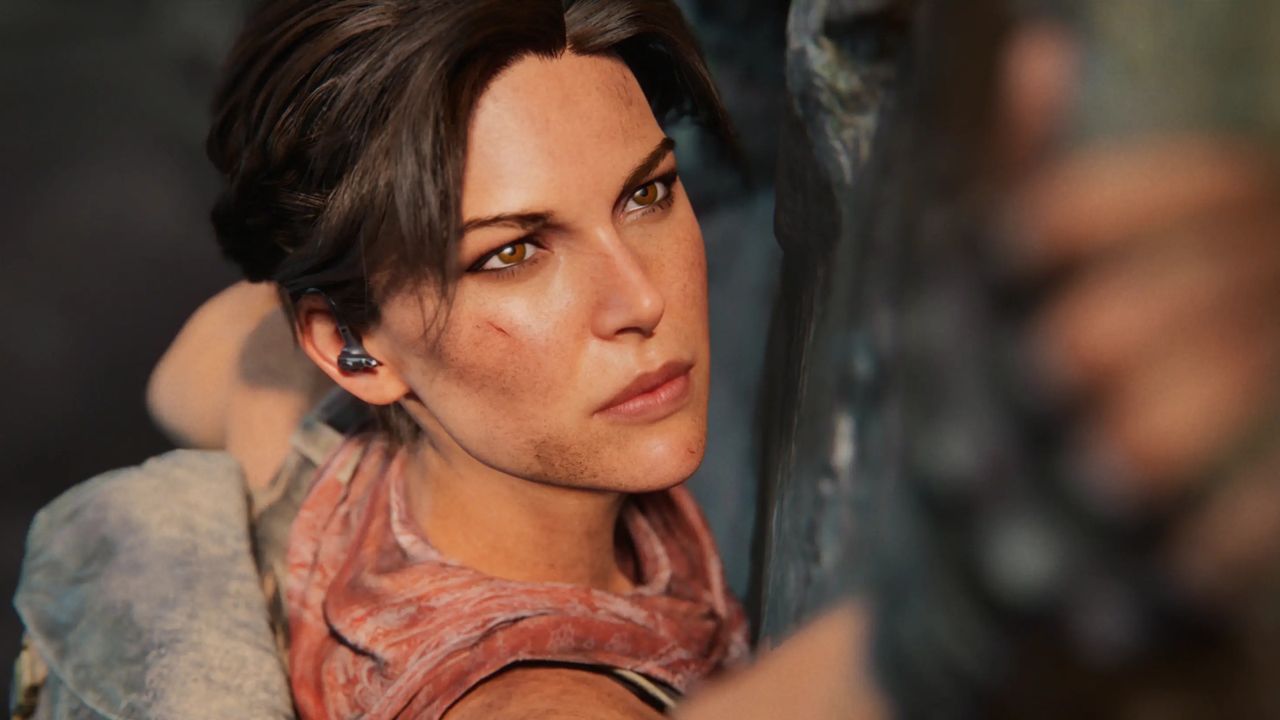
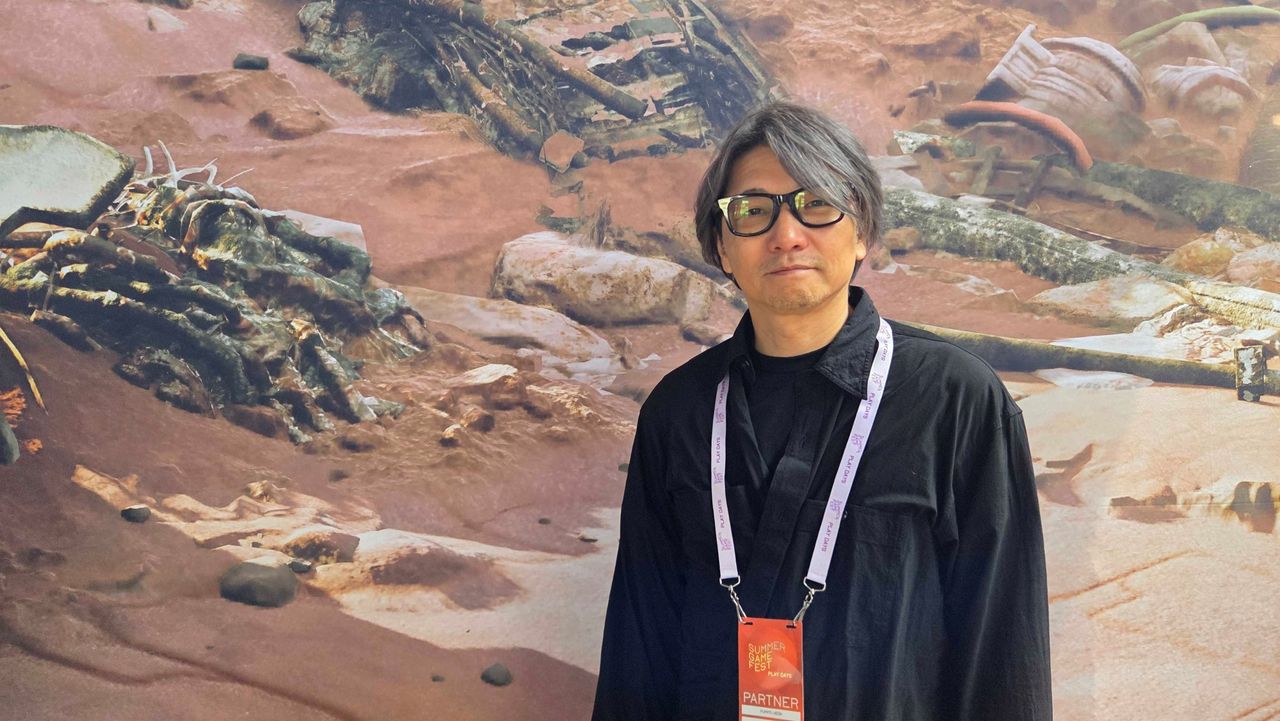
In a recent meeting with the developers of Gen Atlas and publisher Epic Games, I had the chance to see more of the game than was revealed in its initial trailer. While the footage still left many questions unanswered, it offered a glimpse into the game’s vast desert landscapes, towering robots, and the silent protagonist navigating through them. The opportunity to speak with Fumito Ueda, the visionary behind Ico and Shadow of the Colossus, was the highlight of the session. Gen Atlas marks Ueda’s first major project in a decade and his first PC release, and it's being described as a "whole new sci-fi adventure that has all the hallmarks of a classic Ueda experience."
What Defines a 'Classic Fumito Ueda Experience?'
When asked what defines a classic Fumito Ueda experience, the director emphasized the importance of creating something unique yet balanced within the game's overall design. For Ueda, the defining characteristic of his work is that it offers a gaming experience that is distinct from anything else available in the market. Beyond uniqueness, he focuses on ensuring that the experience can only be achieved through the medium of video games.
Ueda recalled how Shadow of the Colossus surprised players with its transition from cutscene to gameplay, a moment that felt unlike anything else at the time. While such cinematic elements are now more common, Ueda continues to push boundaries by incorporating unexpected and familiar mechanics in a way that feels fresh and engaging.
The Role of Shooting in Gen Atlas
The inclusion of shooting in Gen Atlas might seem like a departure from Ueda’s usual style, but he clarifies that it’s not the central mechanic of the game. Instead, it's one of the ways players can overcome challenges. Ueda emphasizes that the shooting mechanic isn't about scoring points or defeating as many enemies as possible. It's more about providing a challenge that, once mastered, leads to a sense of achievement.
The distinction between "frustration" and "challenge" is crucial here. Ueda explains that the game aims to give players a healthy amount of challenge that, once they learn and adapt, leads to a rewarding experience. The shooting mechanic is one of the ways this challenge is introduced, allowing players to feel like their actions matter in the world.
A New Relationship with the Player
In Ico, the player isn’t required to defeat all enemies, but the game still creates a sense of purpose and existence within its world. Similarly, in Gen Atlas, the robots serve a different role than the colossi in Shadow of the Colossus. While the latter evoked feelings of triumph and mourning, the robots in Gen Atlas are designed to create a different kind of relationship with the player. They are not just obstacles to be overcome but elements that contribute to the game’s narrative and world-building.
Ueda’s approach to game design continues to evolve while maintaining the core principles that have defined his work. Gen Atlas promises to be a new chapter in his legacy, blending familiar elements with innovative mechanics that challenge and reward players in unique ways.