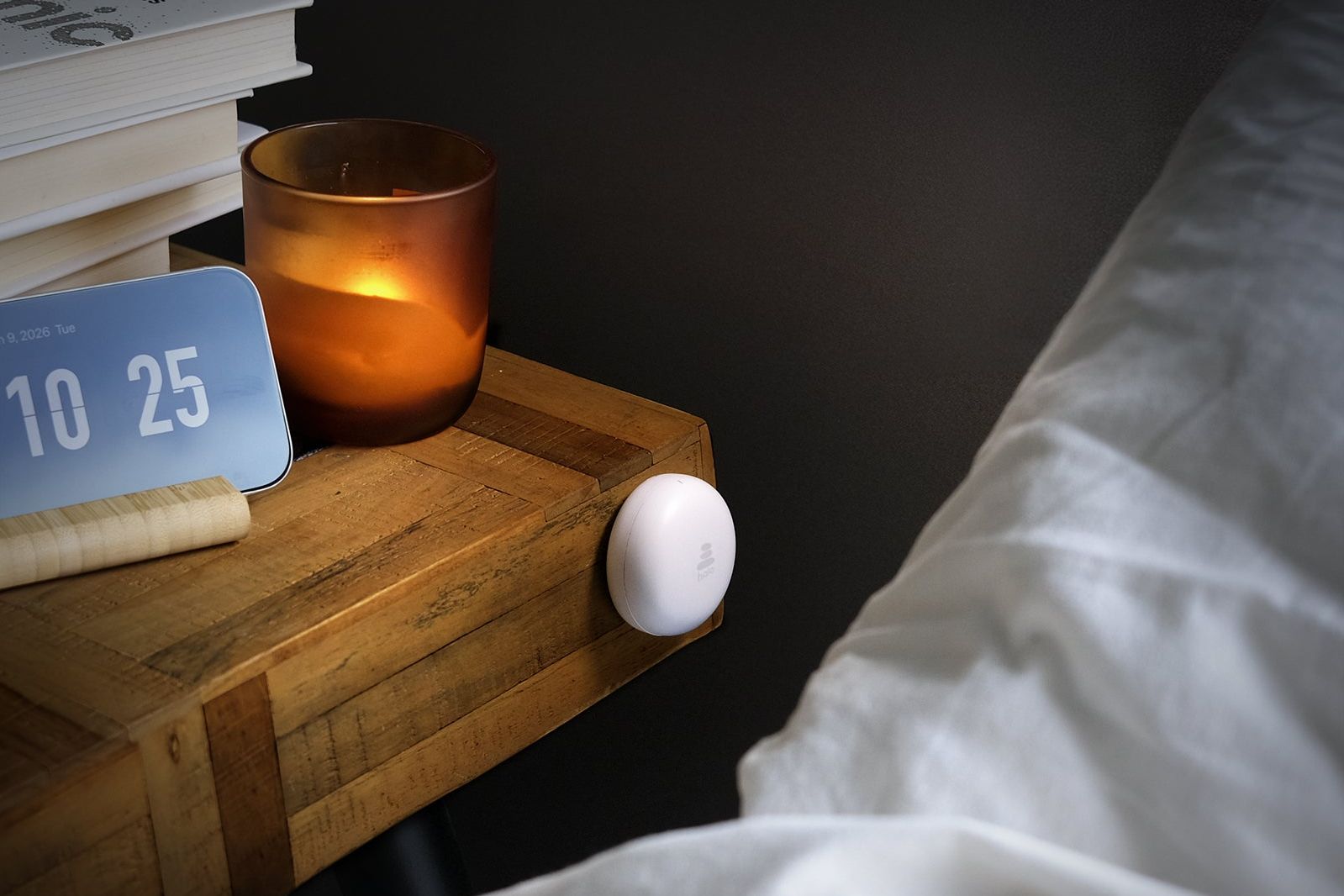
Halo Stops Bedtime Scrolling So You Can Go the F to Sleep
What if the key to better sleep wasn’t in the pillow or the mattress, but in the device that has become our most intimate companion—our smartphone? Halo, a small puck-shaped device from ScreenZen, is challenging the conventional wisdom that sleep hygiene is solely about the bedroom environment. Instead, it tackles the root cause of sleep disruption: the digital distractions we bring into bed with us. By blocking apps with a geofence, Halo doesn’t just promise to help users fall asleep—it aims to reshape the behavior that keeps us up in the first place.
A Geo-Fence That Blocks the Blues
Halo works by detecting when your phone enters a defined geofence, typically your bedroom, and then blocks access to distracting apps like social media, messaging, and streaming services. The ScreenZen app, which is free and does not require a subscription, allows users to customize the radius of the geofence and set specific times when the blocking should occur. Unlike other app blockers that rely on manual inputs or physical interactions, Halo uses Bluetooth Low Energy (BLE) to create a seamless, hands-off experience that aligns with natural sleep patterns.
The device is particularly effective for people who struggle with bedtime scrolling, a phenomenon where users compulsively check their phones just before or during sleep. Studies suggest that this behavior can delay sleep onset and reduce sleep quality. Halo’s approach isn’t about willpower alone—it’s about creating a physical boundary that reinforces the psychological shift needed to disconnect.
The Power of Behavioral Reinforcement
One of the most compelling features of Halo is its ability to track and reinforce positive behavior. The ScreenZen app displays a streak counter, showing how many consecutive days you’ve stayed off distracting apps in your designated space. This gamification element can be a powerful motivator, especially when the streak reaches milestones like 30 or 60 days. The psychological reward of seeing that number increase can make the effort to resist the pull of a phone feel more like a victory than a sacrifice.
Halo’s success lies in its ability to transform a common struggle into a habit-forming ritual. It doesn’t just stop distractions—it encourages users to build a new relationship with their devices, one that prioritizes rest and recovery over the endless scroll.
Not Without Its Quirks
Despite its strengths, Halo is not without its shortcomings. Some users have reported initial setup hiccups, such as the device failing to activate properly or requiring multiple attempts to connect with the ScreenZen app. Additionally, there are edge cases where the geofence might not behave as expected, such as when a user leaves the room to listen to a podcast, which may or may not continue playing depending on the app and settings.
The device also uses non-standard batteries, which could be a minor inconvenience for some. However, the replaceable half-AA batteries are designed to last for years, reducing the need for frequent replacements and making Halo more sustainable in the long run.
A New Approach to Digital Detox
Halo represents a shift in how we think about digital detox. It doesn’t force users into a rigid, tech-free lifestyle—it instead offers a flexible, context-aware solution that aligns with daily routines and personal preferences. For many, this kind of behavioral nudging is more effective than traditional methods that rely on willpower or self-restraint.
As smartphone usage continues to rise and the lines between work, leisure, and rest blur, tools like Halo offer a pragmatic way to reclaim control over our time and attention. It’s not a magic fix, but it’s a thoughtful intervention that acknowledges the reality of modern life while providing a clear path toward better sleep and healthier habits.
In the coming years, as the market for sleep technology expands, we may see more devices like Halo that combine physical and behavioral design to support digital wellness. Whether this marks the beginning of a new trend or a niche solution, one thing is clear: the fight for sleep in the digital age is no longer just about the bedroom—it’s about the phone in our hand.