Damian McCarthy’s latest effort attempts to juggle multiple genres, but fails to find a cohesive rhythm. In this Hokum review, we find a film that tries to be part Irish folklore, part murder mystery, and part Stephen King riff—all while featuring a troubled writer at a haunted hotel. Unfortunately, the result is a haphazard aesthetic that robs the story of its much-needed tension and scares.
While McCarthy proved he could masterfully build dread in his 2024 supernatural thriller Oddity, this new project falls victim to stylistic over-familiarity almost immediately.
A Scattered Narrative Approach
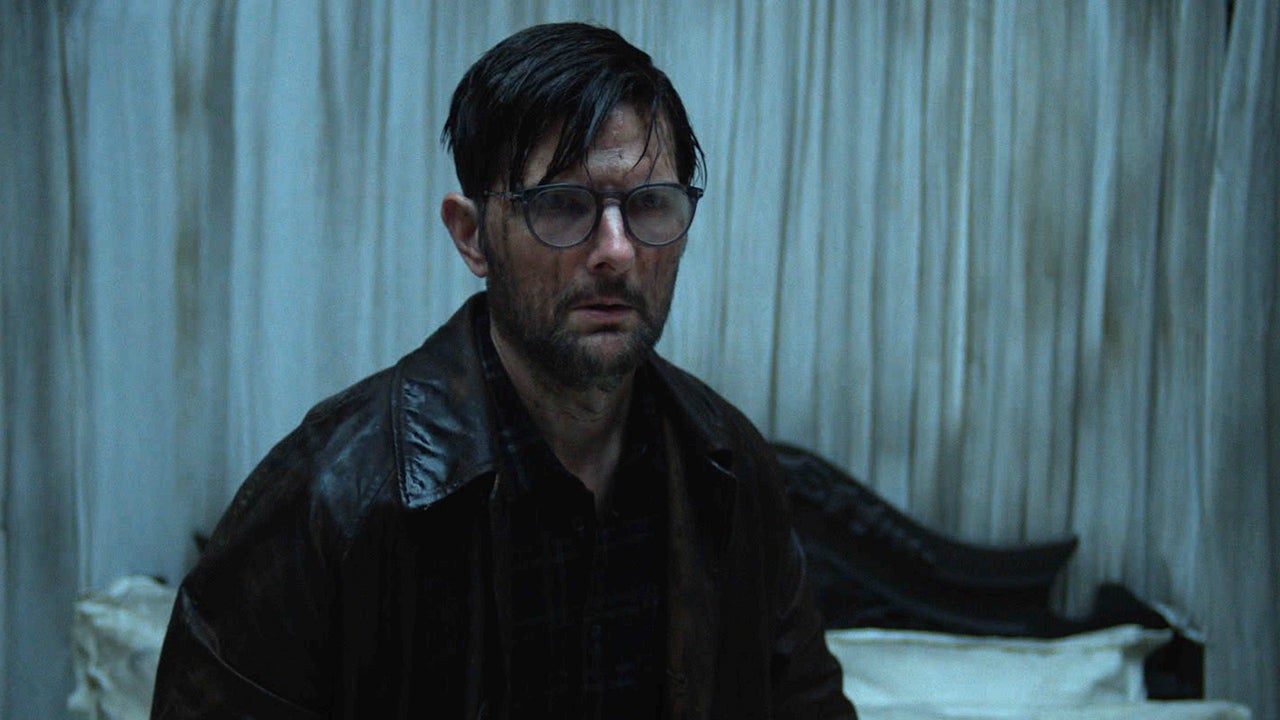
The film opens with a stylized sequence featuring a desperate conquistador and his ward searching for treasure, only to reveal these are the writings of Ohm Bauman (Adam Scott). Bauman is a secluded American author who spots shifting shadows in his home—a visual flourish reminiscent of David F. Sandberg’s Lights Out. However, this interplay between light and dark lacks thematic depth, becoming a repetitive trick that loses its impact with every use.
The plot follows Bauman as he travels to a secluded Irish forest hotel to scatter his parents' ashes. He is haunted by the specter of his mother, a setup that provides potent emotional potential. Yet, in a frustrating twist for this Hokum review, Bauman’s personal guilt and his ghostly visions have almost no bearing on the central mystery.
The film introduces several subplots and characters that feel disconnected from the protagonist:
- Fiona (Florence Ordesh): The kind bartender who disappears, leaving behind clues for Bauman to follow.
- The Woodsman: A stranger rambling about witches and magic mushrooms.
- The Groundskeeper: A creepy figure seen executing wild goats.
- The Manager: An individual who keeps the haunted honeymoon suite shuttered.
Lost in the Supernatural Fog
Instead of deepening Bauman's character, McCarthy overcomplicates the story with unrelated ghostly visions and supernatural elements. The film eventually devolves into a sort of "escape room" scenario, but the execution is too limp to be breathtaking. The editing frequently falters; quick cuts between close-ups and POV shots through dark hallways create a confusing sense of geography that undermines the tension of the hotel's tight corridors.
Even the more striking visual ideas, such as creepy cartoon characters manifesting from Bauman’s memories, feel like temporary swerves rather than integrated plot points.
Performance and Emotional Void
Adam Scott is a capable dramatic actor, but he is largely wasted here. Because Bauman’s personal demons are only relevant in theory, the character becomes a hollow presence. The plot moves forward through sheer convenience—the constant arrival and departure of secondary characters—rather than genuine emotional momentum.
Ultimately, the film's various elements feel like they were plucked from entirely different movies. It attempts to culminate in a revenge feature involving themes of misogynistic violence, yet it never truly broaches these topics with any meaningful depth. For fans looking for a tightly woven supernatural thriller, this Hokum review suggests that while the ideas are plenty, the execution is spread far too thin.