When Diablo 4 first launched, it was a title clearly struggling with a profound identity crisis. Caught in a tug-of-war between being an ARPG, an MMO, and a live service game, the initial experience felt hollow—a vast, empty open world lacking a tangible endgame or clear creative direction.
However, after nearly three years of constant evolution, Diablo 4 finally feels finished. Through frequent overhauls to gear, power systems, and core mechanics, Blizzard has addressed the fundamental flaws that once held the title back.
The Evolution of Diablo 4's Core Systems
Blizzard hasn't been shy about tinkering with the under-the-hood magic that makes an ARPG compelling. Over several seasons, we have seen the introduction of endgame bosses and new activities like The Pit, alongside significant reworks to existing features such as Helltides, Whispers, and Nightmare Dungeons.
The sheer scale of these changes is most apparent when looking at long-term progression. Logging into an Eternal Realm character after ten seasons reveals a stash full of gear, elixirs, and what are now called Mythic Uniques that are almost entirely redundant due to the new system architecture. While constantly relearning fundamental systems can be frustrating for players seeking a "brain-off" experience, these changes have been necessary to refine the gameplay loop.
Key improvements to the Diablo 4 ecosystem include:
- New Endgame Content: The addition of dedicated bosses and high-tier activities like The Pit.
- System Overhauls: Massive updates to gear affixes, aspects, and the tempering process.
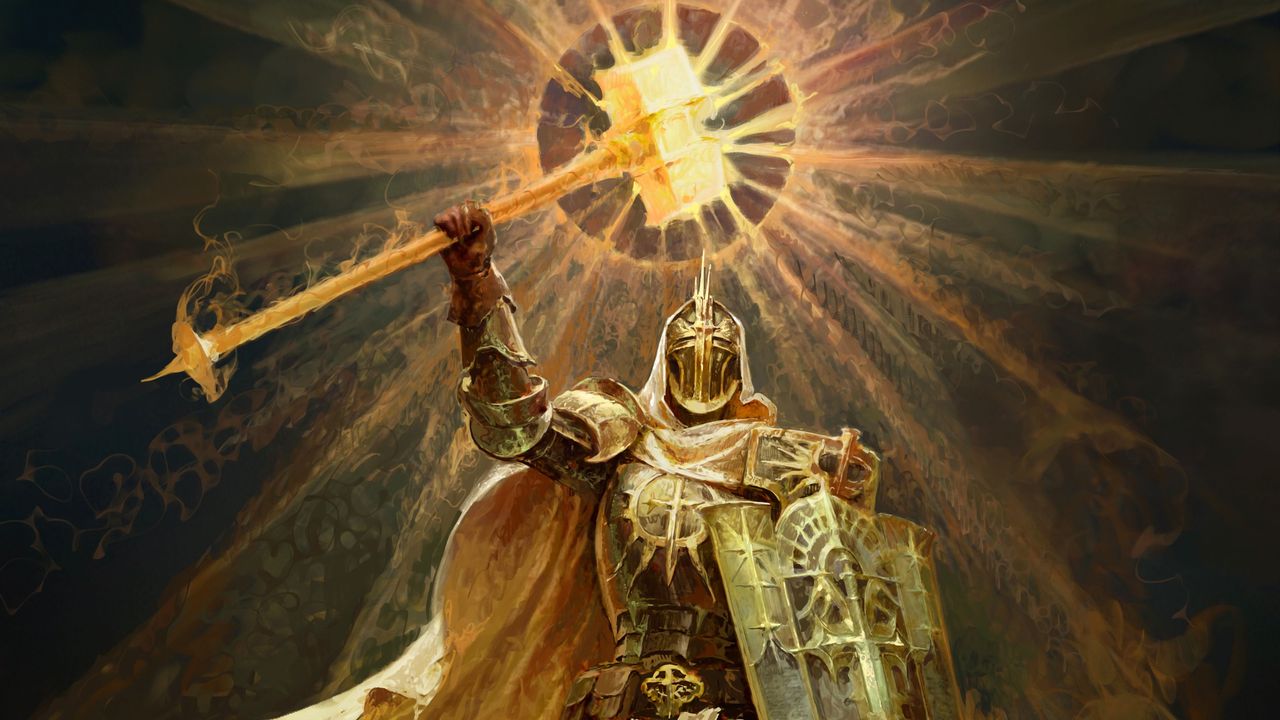
- Class Expansion: The introduction of the Warlock and Paladin classes.
- Enhanced Crafting: The return of the Horadric Cube, allowing for the transmutation of uniques and deeper gear customization.
How Lord of Hatred Completes the Vision
With the release of Lord of Hatred, it finally feels like Diablo 4 has reached a state of completion. For the first time, the various moving parts of the game—the skill trees, the loot systems, and the world activities—seem to function in perfect harmony.
The new skill system is a particular standout, drawing inspiration from titles like Path of Exile 2. Instead of relying solely on gear-based aspects, players can now use a range of passives within the skill tree to fundamentally alter how abilities behave. This allows for incredible build diversity, such as:
- Converting Blight into Cold or Blood skills.
- Transforming Blood Surge or Corpse Explosion into Bone-based abilities.
- Turning Bone Spirit into a Shadow-type skill.
This shift places the emphasis on character customization through the skill tree, making the early game much more rewarding and less dependent on lucky unique drops.
A Narrative Conclusion for Sanctuary
Beyond the mechanical depth, Lord of Hatred provides much-needed narrative closure. The expansion concludes the current story arc in a way that feels earned and well-paced. It builds upon the groundwork laid in Vessel of Hatred, moving away from the "murderbot" protagonist trope toward a character who feels genuinely integrated into the world's events.
For lapsed players who found the original launch underwhelming, now is the time to return. Diablo 4 has moved past its "early access" feel and is finally standing on solid ground. With the core systems seemingly stabilized, the game offers a deep, satisfying experience that is well worth a second look.