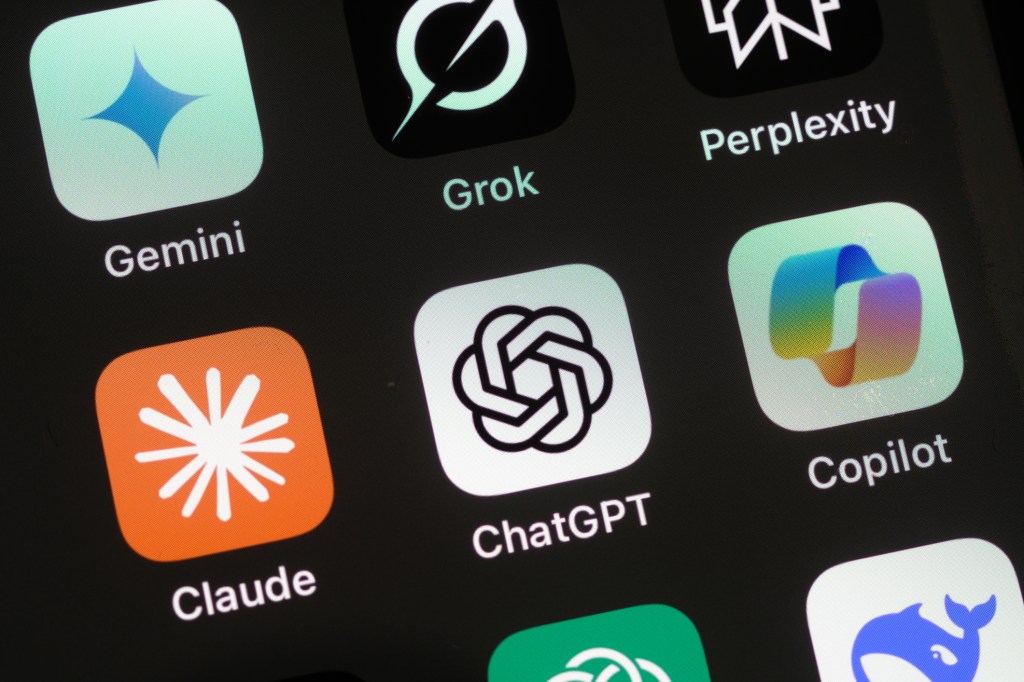
The era of text-centric AI dominance may be reaching its limit. While the industry has focused heavily on the linguistic sophistication of Large Language Models (LLMs), new mobile engagement patterns suggest that image AI models are now the primary driver for user acquisition, significantly outperforming traditional chatbot upgrades.
Recent data from app intelligence provider Appfigures highlights a massive shift in the landscape: releases centered on visual capabilities are generating roughly 6.5 times more downloads than purely conversational updates.
The Power of Visual AI Models in User Acquisition
The data indicates that visual updates act as a massive catalyst for sudden spikes in app installs. Unlike text-based reasoning or voice interfaces, which aim to deepen existing engagement, high-fidelity image generation serves as a potent tool for mass-market expansion.
Recent industry milestones illustrate this trend:
- Google Gemini: Following the introduction of its Gemini 2.5 Flash image model (specifically the Nano Banana iteration), Gemini saw an additional 22 million downloads within just 28 days. This represents a more than fourfold increase in its baseline download rate.
- OpenAI ChatGPT: The rollout of GPT-4o proved similarly successful, recording over 12 million incremental installs in a single month. This growth was approximately 4.5 times greater than the downloads generated by text-only updates like GPT-4.5.
- Meta AI: The introduction of "Vibes," an AI video feed, added an estimated 2.6 million downloads in its first month, proving that visual content provides immediate, tangible proof of utility.
The Monetization Disconnect: Conversion vs. Acquisition
While image AI models are undeniably effective at driving top-of-funnel growth, they do not inherently guarantee financial success. A significant gap remains between a user downloading an app to test a new feature and that user becoming a paying subscriber. This "acquisition vs. conversion" problem is the primary hurdle for developers today.
The disparity in revenue following these visual launches is stark:
- ChatGPT (GPT-4o): Generated an estimated $70 million in gross consumer spending in the 28 days following its image model launch.
- Google Gemini (Nano Banana): Produced only approximately $181,000 in estimated gross consumer spending during its corresponding 28-day window.
- Meta AI (Vibes): Experienced a significant download spike but failed to produce any meaningful increase in revenue.
These figures suggest that while visual models excel at creating "viral" moments and driving curiosity, only certain ecosystem leaders have mastered the transition from novelty user to premium subscriber.
Beyond Visual Trends: Technical Breakthroughs
It is important to note that not every massive surge in downloads is tied to visual capabilities. The case of DeepSeek R1 serves as a critical outlier. When DeepSeek achieved a massive influx of 28 million downloads in early 2020, the driver was not an image model, but rather the industry-wide shockwaves caused by its highly efficient training techniques. This proves that while visual features drive mass appeal, technical breakthroughs in inference efficiency and cost reduction can also trigger global interest.
The industry is rapidly moving toward a multi-modal standard where text, image, and video are integrated seamlessly. As models become more capable of processing diverse data types simultaneously, the distinction between "chatbot updates" and "image updates" will likely vanish. The next generation of AI competition will be defined by who can convert visual awe into a sustainable, revenue-generating ecosystem.