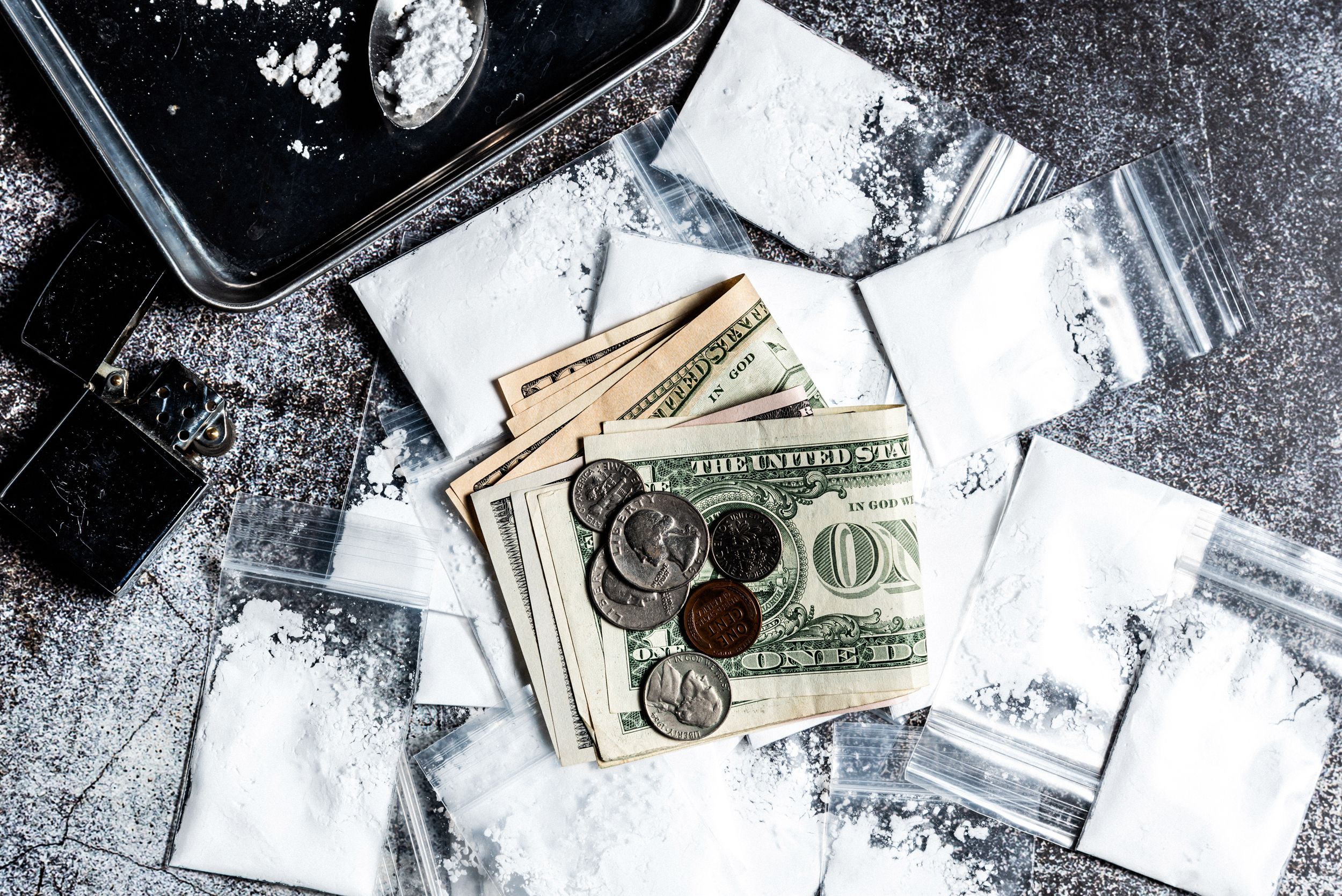
The rise of social commerce on Instagram has birthed an unexpected subgenre of advertising, where luxury lifestyle products increasingly blur the line with drug paraphernalia. Recent investigations reveal a pattern of marketing that leverages sleek design and subtle slang to promote items seemingly intended for cocaine consumption, all while maintaining public deniability regarding their illicit purpose.
The Aesthetic of Ambiguity in Instagram Ads
Instagram feeds are increasingly populated by high-end products that signal specific subcultures through visual cues rather than direct claims. These cocaine accessories often arrive in the form of magnetic leather pouches labeled "Wildcard" or designer straws marketed alongside cryptic hashtags like #discreetbumps.
To maintain a polished image, brands utilize several deceptive tactics:
- Coded Language: Using terms like “electrolytes,” “snacks,” or “cacao essentials” to describe paraphernalia.
- Curated Imagery: High-contrast neon nightlife aesthetics and minimalist packaging that evoke exclusivity.
- Lifestyle Integration: Styling items as must-have tech or luxury fashion pieces to bypass scrutiny.
By blending these elements, companies create a sense of "in-the-know" branding that appeals directly to target demographics without ever explicitly naming an illicit substance.
Navigating Meta's Platform Policies and Legal Gray Zones
Meta’s advertising rules are strict, explicitly banning the promotion of illicit substances. However, many brands have mastered the art of slipping through enforcement gaps by framing their goods as "multi-use" or purely decorative.
Companies such as Magic Items and Snogo maintain plausible deniability by emphasizing compliance in their documentation while tailoring their visual language to a specific subculture. While Meta has acknowledged investigating these violations, the platform continues to allow many of these ads to run pending further review. This creates a persistent loophole where cocaine accessories can thrive under the guise of high-fashion lifestyle goods.
Cultural Shifts and the Normalization of Luxury Paraphernalia
This advertising trend reflects a broader societal shift toward the normalization of once-stigmatized substances, paired with a growing consumer demand for premium gear. The intersection of tech, luxury, and illicit markets is evident in products ranging from leather wallets that double as snorting devices to stainless-steel straws marketed as wellness tools.
Even mainstream beverage brands are beginning to lean into this ambiguity. For example, the brand Soft Landings has utilized British slang like “bender” in campaigns to tie drinking culture directly to drug use. As these blurred boundaries challenge regulators and creators alike, the industry faces a growing question: how long can brands exploit this ambiguity before legal safeguards force a change?
Key Trends in Social Commerce Evasion
- Subtle Branding: Utilizing discreet slang (e.g., “Wildcard”) to signal utility without explicit claims.
- Luxury Aesthetics: Using high-end design to mask utilitarian, illicit purposes for aspirational buyers.
- Platform Loopholes: Exploiting the lag between Meta’s policy updates and nuanced marketing tactics.