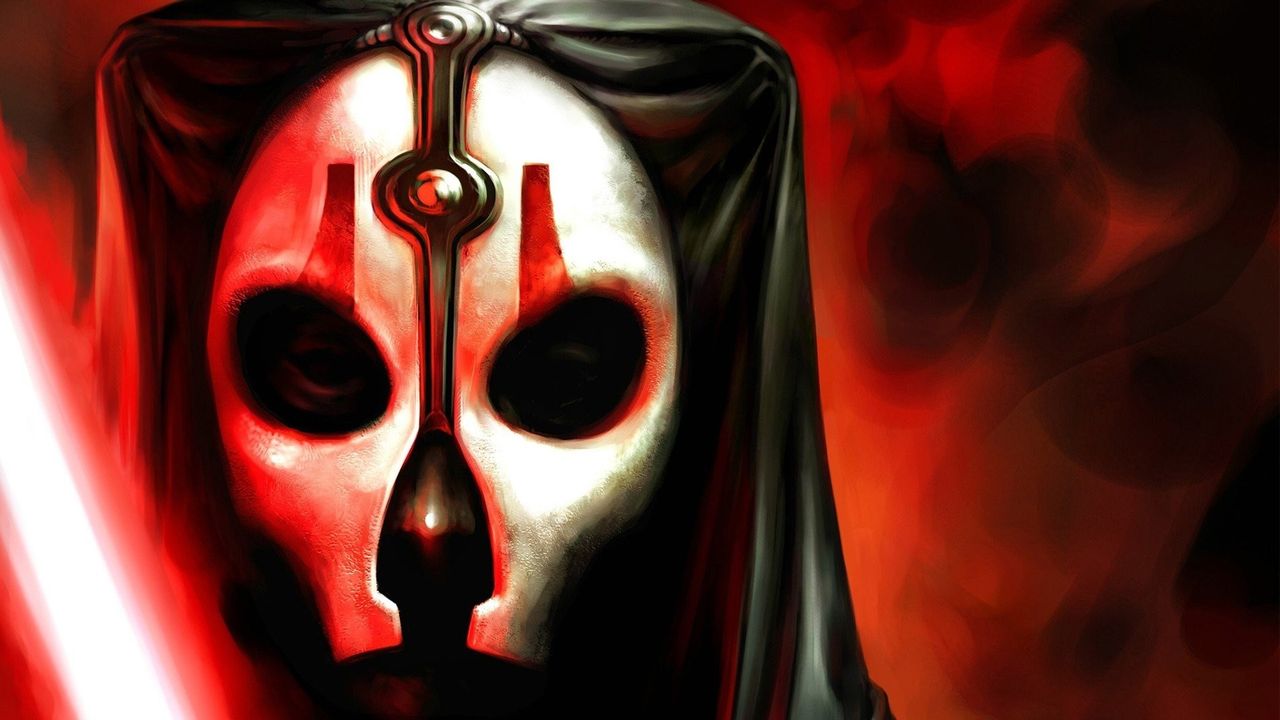
A Deconstruction of Star Wars’ Morality in Knights of the Old Republic 2
Knights of the Old Republic 2 was a bold step away from the familiar hero’s journey that defined its predecessor. Rather than delivering a straightforward sequel, it offered a deeper, more complex look at the Star Wars universe, one that questioned the rigid boundaries between good and evil. This game wasn’t just about lightsabers and space battles—it was about the moral ambiguity that lurks beneath the surface of the galaxy far, far away.
At its core, KotOR 2 is a deconstruction of the original game’s narrative. While the first installment presented a clear path of righteousness, with players striving to become a Jedi Knight, the sequel takes a darker turn. The player is no longer a hero but an Exile, a banished figure navigating a galaxy scarred by war and betrayal. The setting itself reflects this shift—much of the game takes place in the shadowy underbelly of the galaxy, where the remnants of the Jedi Order are few and far between, and the Sith have left their mark.
Characters That Question the Status Quo
The characters in KotOR 2 are not just archetypes; they are deeply flawed individuals shaped by their experiences. Take, for example, Atton Rand, a pilot with a sharp tongue and a hidden past as a Jedi hunter. Or Kreia, the enigmatic mentor to the Exile, whose philosophy of balance and self-reliance challenges the very foundations of the Jedi and Sith codes. Kreia is a complex figure—part villain, part philosopher. Her presence in the game is like having an argument with a mother-in-law who just happens to be a Sith Lord. She pushes the player to question the morality of their actions, showing that even the best intentions can lead to unintended consequences.
Other characters, like Mira, a bounty hunter with a moral compass that doesn’t always align with the player’s choices, add to the narrative’s complexity. She may not kill you on sight, but she certainly has her own reasons for being where she is. These characters don’t just serve the story—they define it, forcing the player to engage with the themes of power, betrayal, and redemption in ways that go beyond simple good vs. evil.
A Game That Needed Time to Shine
Despite its narrative brilliance, KotOR 2 suffered from a rushed development cycle. The game was originally slated for a 2005 release but was pushed back to 2004, resulting in a product that, while ambitious, had its flaws. The graphics and controls, optimized more for the Xbox than the PC, felt outdated, and the combat system, rooted in classic D&D-style mechanics, was clunky and slow. However, over time, the game has found a second life thanks to the Sith Lords Restored Content mod, which added missing voice lines and other enhancements to the Steam version.
Thanks to this mod, KotOR 2 has evolved into a more refined experience. The narrative depth and character complexity that were once overshadowed by technical shortcomings are now the game’s strongest assets. While it may not have been the polished RPG that fans had hoped for at launch, it has grown into a title that continues to resonate with players who appreciate its bold storytelling and moral ambiguity.
In the end, Knights of the Old Republic 2 stands as a testament to the power of deconstruction in storytelling. It peeled back the layers of Star Wars’ black-and-white morality, revealing a universe that is far more nuanced than its surface suggests. For those willing to engage with its themes, the game remains a compelling and thought-provoking experience that continues to hold up over a decade later.