Consumer Rights Champion Louis Rossman Sues Samsung Over Failed 990 Pro SSD
Consumer rights champion and tech expert Louis Rossman is taking Samsung to court after the company refused to replace a failed 990 Pro SSD, despite the drive being in stock on Amazon. The incident highlights a growing concern among tech users about warranty policies and how companies handle product failures.
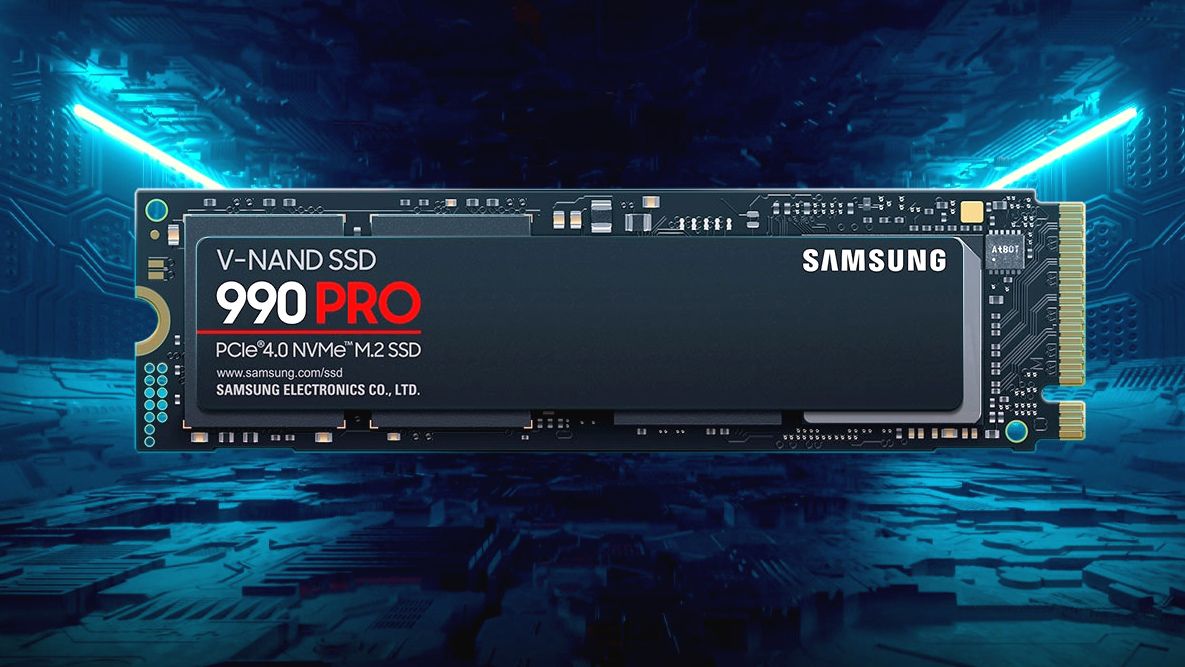
Rossman, a well-known YouTuber, repair shop owner, and advocate for consumer rights, bought a 4 TB Samsung 990 Pro about a year ago from Best Buy. The drive, a high-end Gen4 solid state drive, stopped responding to commands in his RAID-1 array. Despite being within the warranty period, his attempts to get a replacement from Samsung have been met with frustration and what he calls a lack of consumer support.
The Journey Through Samsung's Support Process
Rossman's initial contact with Samsung was through their Canada B2B support desk, which he later realized was not the correct channel for his location in Texas. He provided all the necessary information, except for a photo of the SSD, which he couldn’t send immediately as it was still in his home computer. The next day, Samsung closed his support ticket, claiming he hadn’t submitted the photo within 24 hours, even though the deadline had not technically passed.
After resolving this issue, Rossman was told the drive was “verified as good” during testing, and he was sent the drive back. However, when he tested the drive, he found it had inconsistent write speeds ranging from 20 to 160 MB/s—far below the expected performance of a PCIe 4.0 NVMe SSD. This discrepancy led Rossman to question the validity of Samsung’s testing and results.
In response to his concerns, Samsung issued a generic apology and cited a shortage of memory products as a reason for not being able to replace the drive. However, Rossman pointed out that Samsung’s Amazon store had multiple 4 TB 990 Pro drives in stock, priced at $949 each. This contradiction only fueled his frustration, leading him to file a small claims lawsuit against Samsung.
The Broader Implications for Consumers
Rossman’s situation is not an isolated incident. Many PC users may find themselves in similar situations when dealing with high-end components like SSDs. He highlights what he considers the "wrong thing to do" that many users might resort to: purchasing a new drive, placing the faulty one in the box, and then filing a chargeback for "faulty goods."
The incident has sparked a conversation about the reliability of warranty policies and the responsibility of companies to honor their commitments. For users with expensive hardware, the fear of dealing with such situations is real. The cost of replacing a high-end SSD can be significant, and the process of getting a replacement can be both time-consuming and frustrating.
As Rossman continues his fight for consumer rights, it remains to be seen how Samsung will respond to the lawsuit. His actions serve as a reminder to users that they have rights and that fighting for them can lead to meaningful change in how companies handle product failures and warranty claims.