The partnership between Marvel and Capcom defined the golden era of fighting games throughout the 1990s. While legendary titles like X-Men: Children of the Atom became massive hits, the development process was frequently hindered by intense creative friction. One of the most famous disputes in fighting game history arose from a strict mandate regarding character physics: Juggernaut can't jump.
The Era of Strict Character Approval
The collaboration between these two industry giants began with the 1993 arcade beat 'em up The Punisher, eventually evolving into the iconic fighting game era with 1994's X-Men: Children of the Atom. However, during this period, Marvel was notoriously protective of its intellectual property.
Takuya "Tom" Shiraiwa, a former localization lead at Capcom, recently shared insights regarding the difficulty of working within these rigid boundaries. The approval process for every character was incredibly rigorous, as Marvel enforced specific rules regarding character personalities and movement. To maintain brand integrity, the oversight process typically required:
- Submitting all animations on videotape for official review.
- Verifying character lore to ensure every move stayed true to established comic book personas.
- Negotiating movement constraints based on specific character traits and weight.
The Dispute Over Juggernaut’s Weight
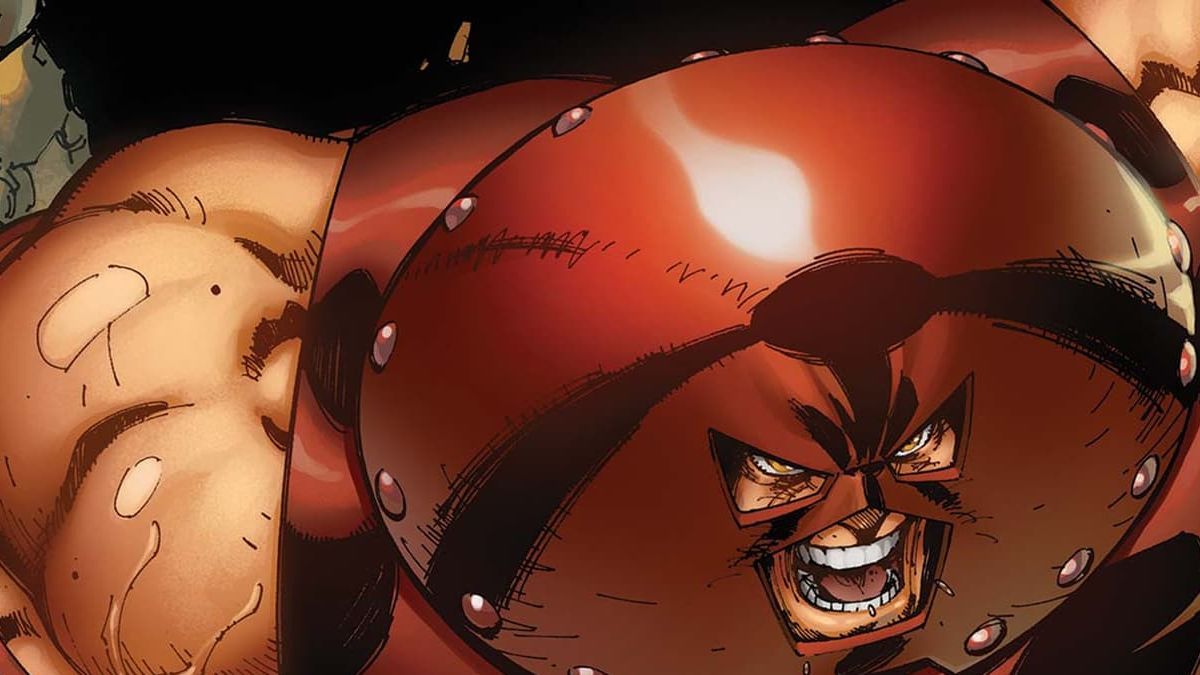
The most memorable conflict occurred during the animation review stage for the character Juggernaut. Because of his massive strength and "tank-sized" physique, Marvel representatives insisted that Juggernaut can't jump due to his immense mass.
"When we submitted Juggernaut, they said, 'No, Juggernaut can't jump. He's too heavy,'" Shiraiwa recalled.
Acting as a middleman, Shiraiwa attempted to argue against this limitation by highlighting the practical flaws it would create in a fighting game engine. He pointed out that if Juggernaut encountered a large gap or hole in the stage, he would have no way to traverse it. Marvel’s proposed solution was just as surreal: they suggested that if Juggernaut fell into a hole, he would simply continue running once he landed.
Ultimately, Capcom won the argument. In both X-Men: Children of the Atom and its successor, Marvel Super Heroes, Juggernaut can jump without issue. This victory was essential for gameplay, as the ability to perform complex aerial combos and navigate high-level stages was a core selling point of the franchise.
A Change in the Marvel-Capcom Dynamic
The era of extreme oversight eventually faded. As the initial Marvel fighting games achieved massive commercial success, Marvel's stance shifted from strict regulation to much more creative freedom, eventually adopting an "anything goes" approach for developers.
This level of micro-management is now a relic of gaming history. Modern titles like Marvel Rivals demonstrate that contemporary Marvel is far less concerned with nitpicking specific movement mechanics. For fans wanting to experience the era of these strict rules and heavy hitters, the Marvel vs. Capcom Fighting Collection: Arcade Classics provides a way to play these legendary titles, including the challenging X-Men: Children of the Atom.