There's No Such Thing as the Matt Mercer Effect
RPG rulebooks often begin with an "example of play," guiding new players through a scripted scene with generic names like Arthur and Samantha. These examples are meant to give a sense of what roleplaying is like, but they can feel underwhelming compared to the vibrant, dynamic experiences showcased in actual-play streams. For those of us who were once kids in small towns without easy access to game shops, these rulebook scenarios were the only way to understand what RPGs were all about.
Now, things are different. With hundreds of RPG streaming series available online, including Critical Role, Dimension 20, The Adventure Zone, and Acquisitions Incorporated, it’s easier than ever to get a sense of how tabletop roleplaying games work. Back in the day, I would have killed for this kind of access — and now I have more than 400 hours of Matt Mercer asking, “How do you want to do this?” than I’ll ever have time to watch. It’s no wonder the internet has built up a myth around what is now called “the Matt Mercer effect.”
The Concept of the Matt Mercer Effect
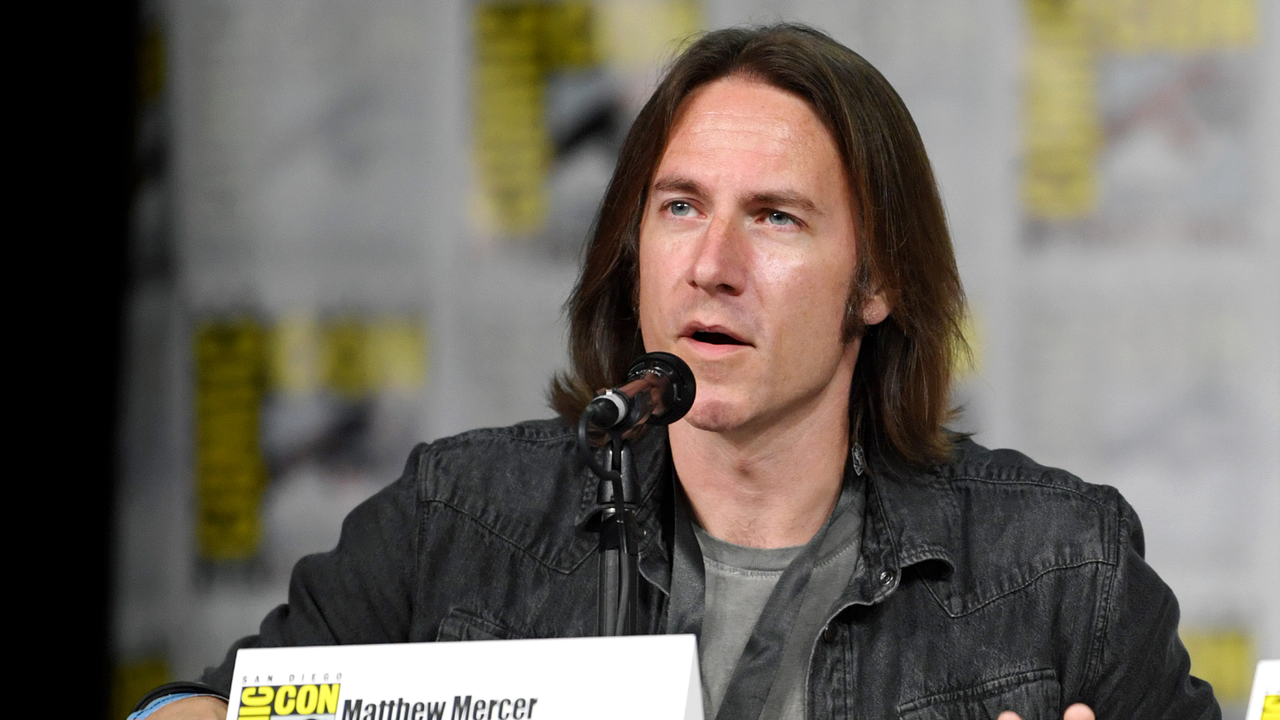
The idea behind the "Matt Mercer effect" is that actual-play series like Critical Role set unrealistic expectations for new players. It suggests that watching these shows — where professional voice actor Matthew Mercer brings to life vivid characters, dramatic storylines, and immersive settings — might make new players feel that every Dungeon Master should be as skilled as him. When they find themselves at a game table with a less polished GM, they might feel disappointed or even leave the game in frustration.
But this idea is misleading. The issue of mismatched expectations in RPGs isn’t new or solely tied to the rise of streaming. It’s been around for years, long before anyone was making a living as a professional Dungeon Master. One of the most important tools in a GM’s arsenal is session zero — the setup phase before the game starts where players discuss what kind of game they want to play and what they expect from it. This is where players talk about whether they want more action or roleplaying, whether player-versus-player conflict is allowed, and what house rules will be used. It’s also where you discuss safety tools, personal boundaries, and other important considerations that can make or break a game session.
Why the Mercer Effect Is a Myth
The problem with the "Mercer Effect" narrative is that it often comes from players who didn’t have a session zero. These are usually pickup games at local game stores or informal sessions with friends who aren’t necessarily experienced in running RPGs. While these sessions can be a great way to introduce people to the hobby, they’re not always the best way to start — especially if the expectations aren’t aligned with the game being played.
Roleplaying games are best introduced with friends. They require a level of trust and comfort that can be difficult to achieve with strangers, especially in a setting like a game store where players might not know each other well. A good GM will make sure that the game experience is welcoming and safe for everyone involved. They’ll avoid scenarios that could be uncomfortable or potentially harmful, such as sudden character trauma or unexpected roleplaying challenges that might not be appropriate for all players.
When someone says, “You’re not as good at GMing as Matt Mercer,” it’s not necessarily because their first GM was an absolute creep — though that can certainly be a factor. More often than not, it’s because of a simple mismatch of expectations. Whether those expectations come from watching a popular actual-play show or from imagining what roleplaying will be like, the clash between what people expect and what they actually get is a common experience.
Disappointment after the first RPG session is not a new phenomenon. It was my reaction, too, when I first tried out the hobby with only the help of comic book ads and the adventures of Arthur and Samantha. The truth is, the so-called “Matt Mercer effect” isn’t real — it’s just a consequence of unmet expectations, and it has nothing to do with the talented voice actor or his streaming presence.