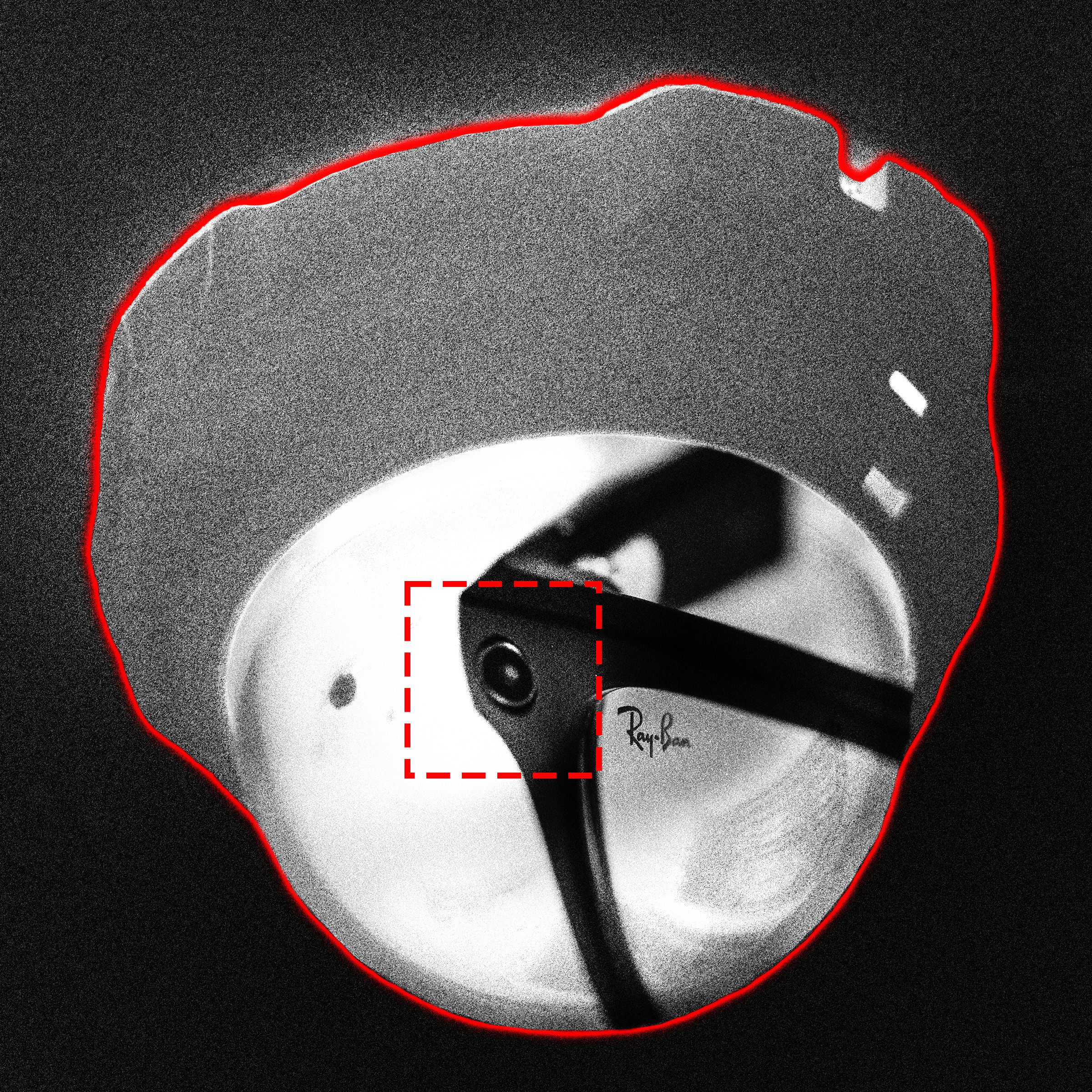
Meta Tapped a Pentagon Supplier to Prototype Face Recognition for Its Glasses
A Pentagon supplier known for its military and law enforcement ties is now quietly shaping the future of consumer face recognition through Meta’s smart glasses. This juxtaposition—where technology designed for surveillance and national security is being funneled into everyday devices—raises urgent questions about the blurred line between state control and personal convenience.
The Convergence of Military and Consumer Tech
Rank One Computing, a Denver-based firm with deep roots in government contracts, has supplied face-recognition algorithms to Meta for its smart glasses development. The company's software, used by the US Marshals Service, Navy police, and Special Operations Command, has been integrated into Meta’s internal app, even if it was later deactivated. This collaboration highlights a growing trend: the same tools built for tracking suspects and identifying threats are now being tested for mass-market use.
Rank One’s technology includes long-range facial recognition capable of identifying individuals from up to a kilometer away. The firm’s liveness detection ensures the camera sees a real person, not a photo or mask. Meta’s license allows for up to 10 million facial templates, a scale typically reserved for state-level surveillance.
Ethical and Practical Concerns Loom Large
The integration of such high-powered tools into consumer devices is not without controversy. NIST testing has shown that Rank One’s algorithms perform unevenly across demographic groups, with higher error rates for women and people from certain regions. As federal oversight remains sparse, the risk of misuse or overreach increases, especially as companies like Meta push for more seamless, always-on features.
- No federal law currently prohibits the use of face recognition in consumer products.
- Some states require warrants for law enforcement to access biometric data.
- Consumer privacy advocates warn that unregulated adoption could normalize invasive tracking.
A Future Where Surveillance Meets Convenience
Meta’s use of Rank One’s software underscores the accelerating normalization of biometric identification in daily life. Whether for smart glasses, smartphones, or other connected devices, the technology’s presence is growing—often without public awareness or consent. As regulatory frameworks lag, the potential for abuse remains a concern, particularly when the same tools used to monitor threats are repurposed for commercial gain.
The story of military tech becoming consumer products is not new. From the internet to GPS, such transitions have shaped modern life. Yet with face recognition, the stakes are arguably higher. As Meta and others continue to test these systems, the question is no longer if the technology will be adopted, but how it will be governed.