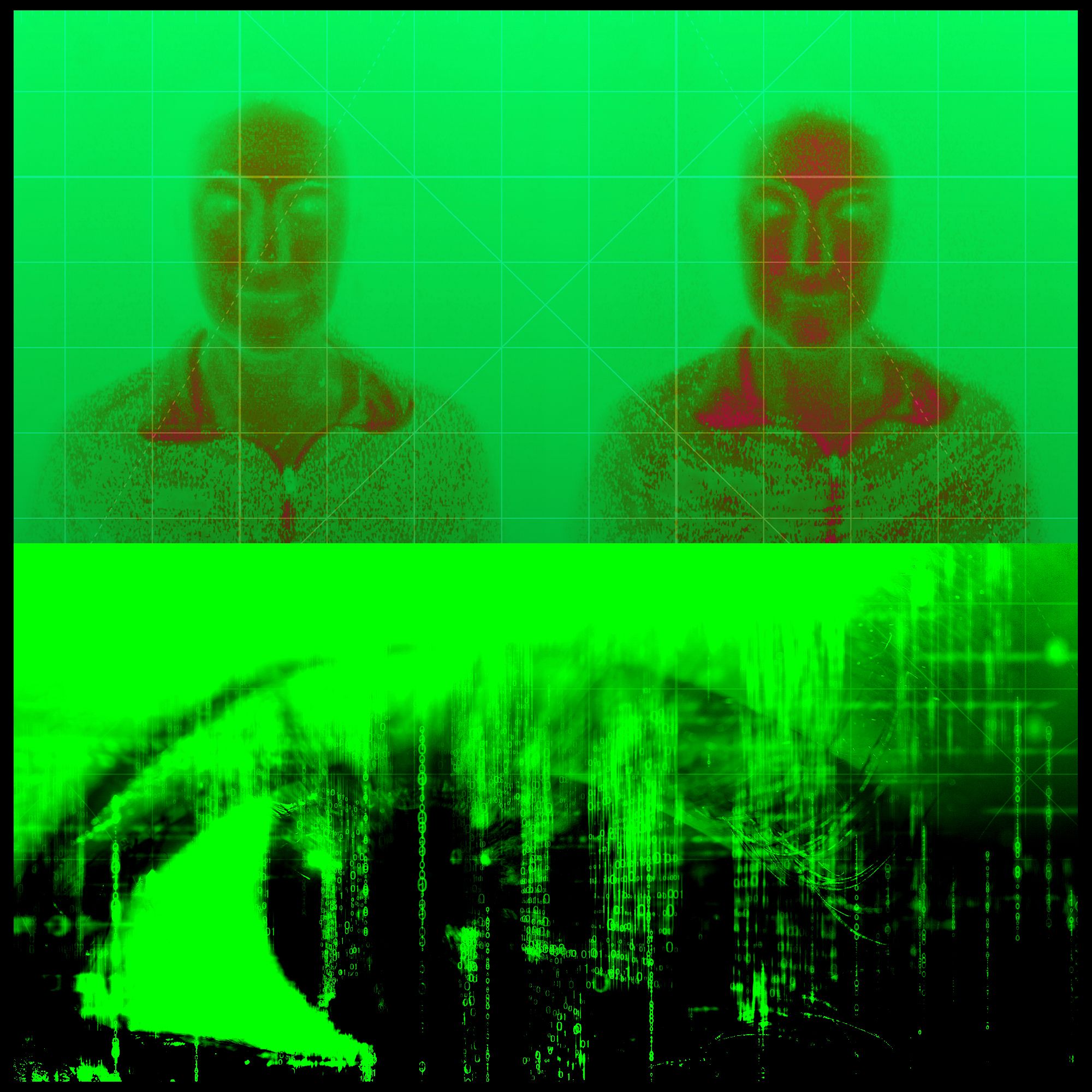
For years, smartphone design has been defined by a constant struggle between maximizing screen real estate and accommodating essential biometric hardware. We have witnessed the industry evolve from the intrusive "notch" to the more subtle "punch-hole" camera systems found in modern Android flagships. Even Apple’s Dynamic Island is essentially a software workaround for a physical limitation. While these iterations manage the aesthetic impact, they fail to deliver a truly uninterrupted, seamless display.
However, a major breakthrough from Boston-based optics startup Metalenz suggests that we are finally approaching an era where Face ID can be invisible.
The Physics of Metasurfaces and Shrinking Hardware
Traditional optical engineering relies on bulky stacks of plastic or glass lenses to refract light and focus images onto a sensor. This physical depth is exactly what necessitates visible cutouts in modern displays. Metalenz is disrupting this standard by replacing thick, multi-layered elements with a single, flat lens utilizing specialized nanostructures.
These engineered nanostructures bend light rays toward the sensor with extreme precision while occupying only a fraction of the space required by conventional systems. This isn't just experimental science; Metalenz technology is already proven at scale:
- Mass Integration: Over 300 million Metalenz metasurfaces are currently active in consumer electronics.
- Proven Utility: The technology already serves as critical components for time-of-flight (ToF) sensors, enhancing autofocus and depth perception.
- Space Efficiency: By drastically reducing the optical footprint, the barrier to hiding complex sensors beneath a device's surface is disappearing.
Polar ID: Making Face ID Invisible and Secure
The most transformative application of this technology is a new platform called Polar ID. Unlike standard facial recognition that relies on basic 2D or 3D mapping, Polar ID leverages polarization data to verify identity. Because every material has a unique polarization signature based on how it reflects and scatters light, the system can tell the difference between human biology and synthetic materials.
This provides a massive security upgrade against 3D mask spoofing attacks. The system identifies the specific way light interacts with human skin, making it nearly impossible for a high-quality silicone or plastic mask to fool the sensor. By utilizing this method, developers are finding new ways to make Face ID invisible without sacrificing safety.
The benefits of the Polar ID approach include:
- Advanced Anti-Spoofing: Detection of even highly sophisticated 3D facial replicas.
- Environmental Resilience: Consistent performance across various lighting conditions compared to traditional optical sensors.
- Slim Form Factors: A reduced hardware footprint that allows for much thinner device profiles.
- AI Integration: Utilizing machine learning to process complex polarization data seamlessly.
Achieving a Truly Seamless Display
The real milestone was demonstrated at Display Week 2026, where Metalenz showed this technology functioning effectively beneath an OLED display. While previous attempts at under-display cameras—such as those from Samsung—have struggled with significant image degradation, the Metalenz approach changes the priority. Because Polar ID focuses on polarization data rather than high-resolution traditional imagery, the essential information remains intact even through a screen.
To make Face ID invisible, a coordinated effort is required between optical engineers and display manufacturers to create "thinned-out" regions of OLED panels. This allows the sensor to sit just below the surface without compromising brightness or screen integrity.
While we expect to see these metasurfaces in mass-produced smartphones and laptops by 2027, the more ambitious under-display version is projected to hit the market by 2028. As innovators and giants like Qualcomm continue to scale this technology, the era of the "punch-hole" may finally be coming to an end, leaving us with nothing but a pure, uninterrupted window of light.