Meta’s Very Own Smart Glasses Go on Sale Today for $299
How does a company that once promised the world through virtual reality and the metaverse now find itself selling smart glasses at a price point that rivals a pair of premium sunglasses? Meta’s latest foray into the wearable tech space has officially gone on sale today at a starting price of $299, marking a significant shift in its strategy as it seeks to distance itself from the Ray-Ban and Oakley branding that previously defined its smart glasses. No longer relying on partnerships with luxury eyewear brands, these new Meta Glasses are being sold under the company’s own name, emphasizing accessibility and direct consumer engagement. The move reflects a broader attempt to build a standalone identity in the competitive smart glasses market, where design, comfort, and affordability are now as critical as the technology inside.
A New Era of Customization and Style
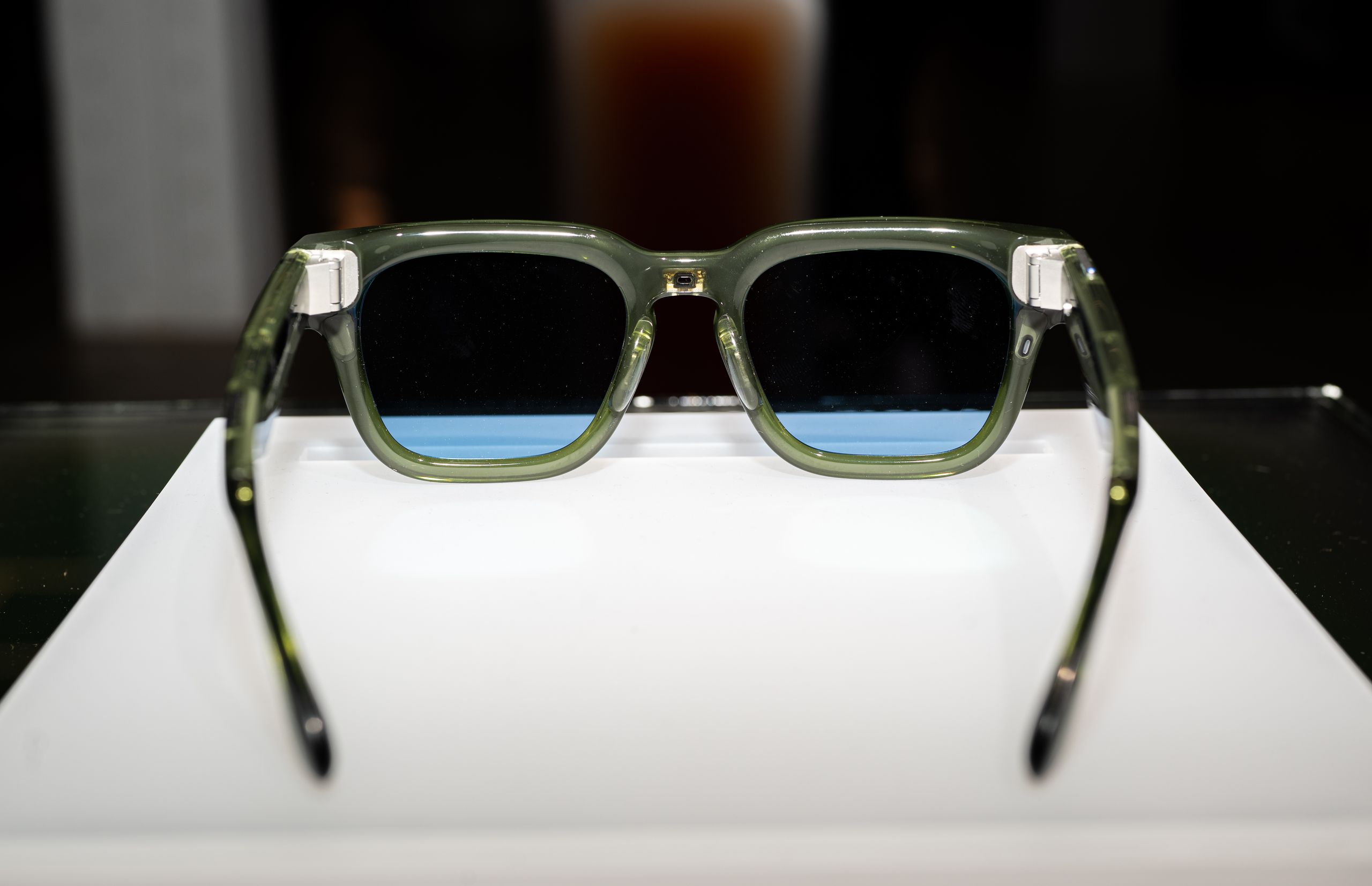
Meta has unveiled three distinct styles—Adventurer, Fury, and Starfire—each offering a unique blend of aesthetics and functionality. The Adventurer and Fury models cater to a more traditional look, with 26 customization options available, including lens tints and frame colors like Racing Green and Sandstone. The Starfire model, however, stands out as a celebrity-endorsed design, developed in collaboration with Kylie Jenner. Featuring a gemstone on the lens and a custom AI voice assistant modeled after Jenner’s own, the Starfire model is a deliberate attempt to attract fashion-conscious consumers and elevate the product’s desirability beyond its tech features.
Key features of the new Meta Glasses include:
- Customizable lens tints and frame colors
- Adjustable nose pads and temple tips for personalized fit
- AI voice assistant with unique sounds and a built-in mirror in the case
Meta’s focus on comfort is also evident in the design details. Adjustable nose pads, temple tips with a flexible core wire, and overextension hinges allow for a more tailored fit, addressing one of the major pain points of early smart glasses models.
Striking a Balance Between Innovation and Privacy Concerns
Despite the advancements in design and usability, privacy concerns remain a major barrier to widespread adoption of smart glasses. The new Meta Glasses include LED indicators for when the camera is active, a feature previously criticized for being easily circumvented. Meta claims the new models incorporate advanced tamper-detection technology, similar to the Ray-Ban Gen 2, which can block camera access if tampered with. However, as Meta chief technology officer Andrew Bosworth notes, the battle against bad actors is an ongoing challenge.
The company also faced a recent controversy when code for a potential face recognition feature was discovered in its AI app, only to be later removed following a report by WIRED. Although the feature is not present in the current iteration of the glasses, the incident highlights the delicate balance Meta must maintain between innovation and consumer trust.
The Road Ahead for Smart Glasses
As Meta continues to refine its smart glasses, the company is also acknowledging that not all users may want the full camera and AI capabilities. Bosworth has hinted that there is a market for audio-only smart glasses, suggesting that Meta may explore different product lines to cater to varied consumer preferences.
With the new Meta Glasses now available, the company is betting that improved comfort, style, and affordability will make its product the go-to choice for those looking to integrate smart technology into their daily lives. Whether this strategy pays off remains to be seen, but for now, the glasses are a tangible step forward in a market that’s still finding its footing.