The modern Hollywood landscape has largely accepted that the "pop-star-as-IP" movie is a permanent fixture. While films like Walk Hard lampooned the genre years ago, the music biopic continues to thrive, often fueled by massive successes like Bohemian Rhapsody. Most viewers simply want to see their favorite artists perform the hits, making the formulaic nature of these films feel inevitable.
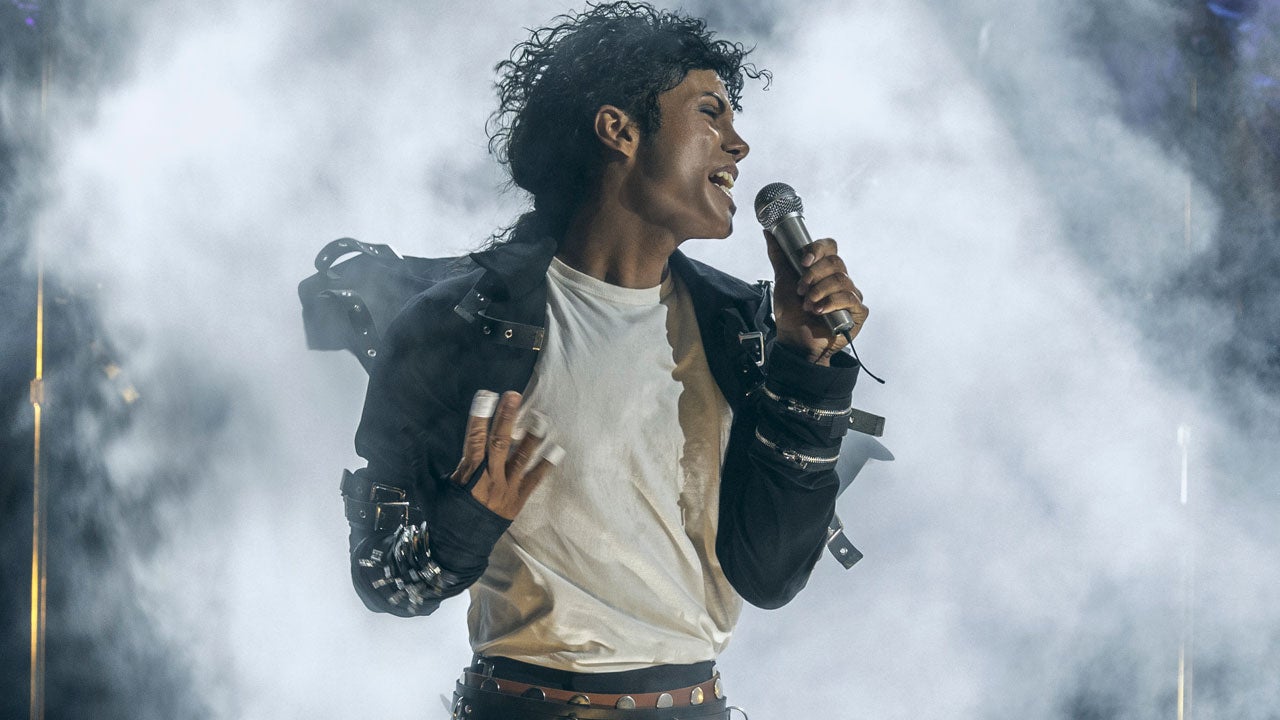
When a studio has a built-in audience, the goal should be to shake up the genre from within. Unfortunately, our Michael review finds that Antoine Fuqua’s Michael fails to do just that. In fact, it manages the near-impossible: it takes Michael Jackson—one of the most electric and controversial figures of the 20th century—and makes him utterly boring.
A Story Missing Its Dramatic Heart
The primary issue with this biographical drama is its perceived incompleteness. Much of the film’s original narrative arc was lost when the Jackson estate required rewrites and reshoots. Due to legal settlements, the film could not feature the specific allegations of child molestation or the subsequent court cases that once served as the story's central tension.
Without these elements, the film becomes a frictionless, paper-thin collection of biographical bullet points. Instead of a deep dive into a complex life, we get a series of recognizable highlights that lack soul:
- The Jackson 5 Era: The film begins in the '60s with the formation of the Motown group.
- Performative Segments: Chronological text cards appear on screen, followed by repetitive musical performances.
- Limited Character Depth: Family members and bandmates are treated as mere window dressing.
- Mechanical Plotting: The narrative moves strictly from one song production to the next.
Performance Struggles in Michael
The film's attempt at historical fidelity often works against its emotional resonance. Colman Domingo portrays the domineering patriarch, Joe Jackson, but is hindered by heavy, awkward prosthetics. Rather than aiding the performance, the makeup makes him look like a character from Dick Tracy or a "zombified" version of Jackson himself.
While Juliano Krue Valdi provides some semblance of heart as the young, innocent Michael, the transition to adulthood is where the film truly falters. Jaafar Jackson takes over the lead role, and while he displays thoughtfulness in quiet moments, his performance is fundamentally constrained. To mimic Jackson’s iconic sound, the dialogue is delivered in a constant falsetto that limits emotional range, often supplemented by ADR.
A Distant View of Greatness
Rather than exploring Jackson's arrested development as a psychological complexity, the movie settles for presenting him as a "misunderstood savant" viewed from a safe distance. Even the supporting cast is underutilized; KeiLyn Durrel Jones, playing the bodyguard Bill Bray, is left with little to do beyond offering mournful close-ups while observing Jackson's isolation.
In the end, Michael feels like a collection of snapshots rather than a cohesive character study. It avoids the friction that made the real Michael Jackson so fascinating, opting instead for a sanitized, predictable journey through a musical catalog.